
The Importance of Daily Oral Hygiene
Great oral hygiene is more than just a bright smile—it is the foundation of overall health. Studies show that poor oral care can increase the risk of heart disease, diabetes, and even certain infections. For many people in the United States, daily habits such as brushing, flossing, and using mouthwash form the basis of prevention. A strong oral care routine not only prevents cavities and gum disease but also builds confidence. Taking care of your teeth today is an investment in long-term health and quality of life.
Brushing Techniques That Truly Work
1. Choosing the Right Toothbrush
One of the most overlooked aspects of oral hygiene is using the right toothbrush. Dentists recommend soft-bristled brushes because they clean effectively without damaging gums. Electric toothbrushes have also been proven in clinical studies to remove more plaque than manual brushes. Replacing your toothbrush every three months—or sooner if the bristles fray—is essential for optimal cleaning.
2. How to Brush Properly
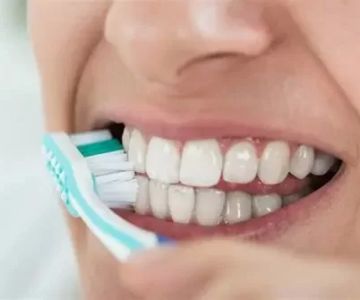
Most people brush too quickly, missing key areas. The American Dental Association suggests brushing for at least two minutes, twice daily. Using gentle circular motions at a 45-degree angle helps remove plaque along the gum line. Focusing on all surfaces—the outer, inner, and chewing surfaces—ensures that bacteria have no chance to linger.
The Role of Flossing in Preventing Gum Disease
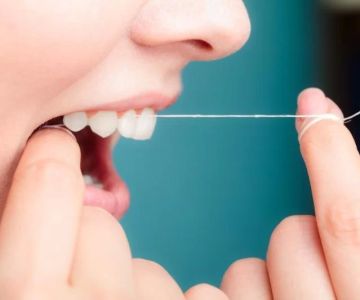
Flossing is often neglected, yet it is one of the most effective ways to prevent gum disease. Floss reaches the tight spaces between teeth where toothbrush bristles cannot go. Without flossing, plaque and food debris build up, leading to inflammation and bleeding gums. A national survey revealed that only about 30% of Americans floss daily, despite evidence linking gum disease to systemic illnesses. Making flossing a daily habit can significantly reduce long-term dental problems and costs.
Diet and Lifestyle Choices That Impact Oral Health
1. Foods That Strengthen Teeth
Calcium-rich foods such as dairy products and leafy greens help strengthen enamel, while crunchy fruits and vegetables naturally scrub teeth surfaces. Water, especially fluoridated water, is also beneficial in washing away acids and sugars. By contrast, sugary snacks and acidic drinks weaken enamel and increase cavity risk. Limiting soda and candy is one of the most effective ways to preserve dental health.
2. Lifestyle Factors
Smoking and excessive alcohol consumption are major contributors to gum disease and oral cancer. Quitting smoking not only improves breath and reduces staining but also drastically lowers the risk of tooth loss. Likewise, reducing alcohol intake keeps gums healthier. A balanced lifestyle plays a direct role in oral health, reflecting the body’s overall well-being.
Professional Dental Care and Regular Check-Ups
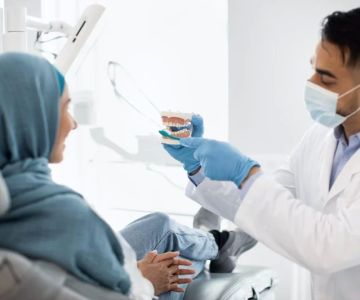
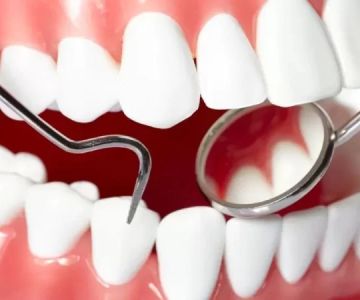
No matter how diligent your home routine is, professional dental visits are essential. Dentists can detect early signs of cavities, gum disease, and oral cancer—conditions that are easier to treat when caught early. Regular cleanings remove tartar buildup that daily brushing cannot eliminate. Experts recommend visiting a dentist at least twice a year, though individuals with higher risks may need more frequent check-ups. For trusted care and personalized recommendations, many patients turn to Family Dentistry Online, where professionals offer tailored solutions for every stage of oral health.
Real-Life Stories That Highlight Oral Hygiene’s Importance
Consider Sarah, a college student who thought skipping flossing wasn’t a big deal. Within two years, she developed gingivitis, requiring multiple deep-cleaning sessions. On the other hand, Mark, a retiree, committed to brushing, flossing, and visiting his dentist regularly. His oral health remained strong even into his late 60s, showing how consistent habits make a lifelong difference. These stories illustrate that small daily actions often determine whether we face costly and painful dental issues later in life.
Creating a Personalized Oral Hygiene Routine
Every individual’s needs are different. Some people may require fluoride rinses to strengthen enamel, while others benefit from interdental brushes due to wider tooth gaps. Parents must also adapt oral hygiene routines for children, teaching them proper brushing habits early. For those with braces or dental implants, additional tools such as water flossers are extremely helpful. Customizing your approach ensures maximum effectiveness, preventing problems before they start. Seeking advice from trusted providers like Family Dentistry Online ensures you build a plan that works for your specific lifestyle.
Why Oral Hygiene Influences Overall Health
Beyond cavities and gum disease, oral hygiene is directly linked to systemic health. Researchers have found connections between periodontal disease and cardiovascular problems. Poor oral care has also been linked to complications in diabetes management. A healthy mouth, therefore, is not just cosmetic—it plays a critical role in maintaining energy levels, reducing illness, and improving overall life quality. By protecting your teeth and gums, you are protecting your entire body.


 Access Health Dental4.0 (280 review)
 Dayspring Pediatric Dentistry4.0 (34 review)
 Dr. Denise M. Henderson, DDS5.0 (221 review)
 Marcellus T. Horsch, DDS4.0 (5 review)
 The Orthodontic Group of Chester County4.0 (71 review)
 Community Health Care Hilltop Family Dental Clinic3.0 (188 review)
 The Importance of Oral Health Education During Pregnancy for a Healthy Pregnancy
 Best Tips for Brushing Your Teeth Properly for Healthy Gums: Essential Techniques for Oral Health
 Why Skipping Dental Checkups Can Lead to Bigger Oral Health Problems
 Advantages of Porcelain Dental Restorations
 How Can Diabetes Cause Tooth and Gum Problems? Preventing and Managing Oral Health Issues
 Healthy Habits for Promoting Good Oral Health and Hygiene: Tips for a Healthy Smile