
Why Oral Hygiene Matters More with Braces
When you wear braces, keeping your mouth clean becomes more than a daily routine—it’s a necessity. Food particles can easily get trapped between brackets and wires, creating the perfect environment for plaque and bacteria. Without careful cleaning, this buildup can lead to gum inflammation, tooth decay, and even prolonged orthodontic treatment. Many patients have found that staying diligent with oral hygiene not only protects their teeth but also speeds up the path to a straighter, healthier smile.
1. Brushing Techniques That Make a Difference
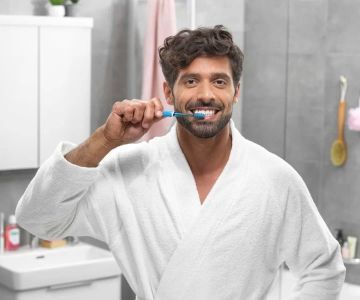
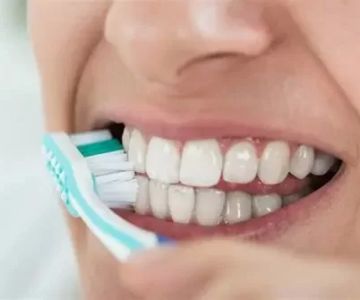
Brushing with braces requires more attention than brushing without them. Dentists often recommend using a soft-bristled toothbrush or an electric toothbrush with an orthodontic head. Angle the bristles at 45 degrees to clean around brackets and wires, making sure to brush both above and below the braces. It’s helpful to brush after every meal to prevent food from lingering. A teenager once shared that switching to an electric toothbrush helped them remove stains around their brackets, making their braces journey much smoother.
Choosing the Right Toothpaste
Fluoride toothpaste is essential when wearing braces. It strengthens enamel and protects against cavities, especially in hard-to-reach areas. Whitening toothpaste can sometimes leave uneven results because the area behind the brackets may remain darker, so it’s best to wait until after treatment for whitening.
2. The Importance of Flossing with Braces
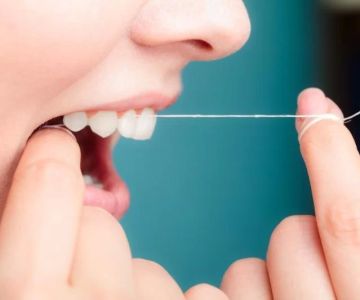
Flossing can feel like a challenge with wires in the way, but it’s a step that cannot be skipped. Plaque between teeth causes cavities and gum problems that brushing alone cannot fix. Special orthodontic floss threaders or water flossers are excellent tools to make this process easier. Many orthodontic patients say that water flossers are game-changers, cutting their flossing time in half and making it more enjoyable.
Daily Flossing Routine
Dedicate at least 5–10 minutes each day to flossing. Start by threading floss between each tooth and gently cleaning along the gumline. Using a water flosser afterward helps rinse away any particles missed by traditional flossing.
3. Rinsing and Using Mouthwash
Rinsing with an antimicrobial or fluoride mouthwash adds another layer of protection. These rinses help control bacteria, prevent bad breath, and strengthen teeth. For patients prone to gum swelling during braces, daily rinsing has been shown to reduce discomfort significantly.
4. Smart Food Choices for Braces Wearers
Diet plays a big role in maintaining oral hygiene. Sticky candies, hard nuts, and crunchy snacks can not only break brackets but also leave behind residue that is tough to clean. Choosing softer foods and cutting items into smaller pieces reduces the risk of damage and plaque buildup. One college student explained how switching from chewy candy to yogurt snacks helped them avoid painful dental emergencies during finals week.
5. Regular Dental and Orthodontic Checkups
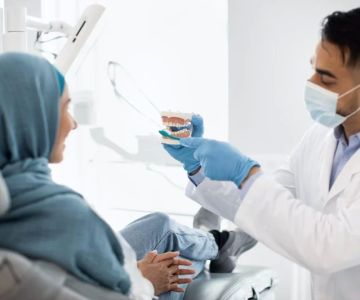
Even with the best home care, professional cleanings are crucial. Dentists and orthodontists can spot early signs of trouble and clean areas you may miss at home. Scheduling visits every six months—or more often if recommended—ensures your teeth remain healthy throughout your braces journey. Many patients have said that these visits reassured them and gave them new motivation to stick to their daily cleaning routines.
6. Creating a Routine You Can Stick To
Good oral hygiene with braces requires consistency. Building a routine of brushing after meals, flossing daily, and rinsing at night keeps your teeth strong and your gums healthy. Parents often find it helpful to remind younger children about their routine, while adults can set reminders on their phones. Over time, these small habits become second nature and make a significant difference once the braces come off.
Final Thoughts on Healthy Smiles with Braces
Having braces doesn’t mean you have to compromise on oral health. With the right techniques, tools, and habits, you can enjoy a smooth orthodontic journey and reveal a beautiful, healthy smile at the end. For those who want personalized dental care guidance, Family Dentistry Online offers expert recommendations to help you maintain optimal oral health every step of the way.

 BellaSmiles Dentistry4.0 (184 review)
 Kennedy Dental Office4.0 (30 review)
 Dr. David Newkirk - Cosmetic and General Dentistry5.0 (31 review)
 Dr. Ilya Lipkin Orthodontics4.0 (178 review)
 Esthetic Dental Care of Collegeville5.0 (56 review)
 Sierra Family Dentistry4.0 (17 review)
 The Importance of Oral Health Education During Pregnancy for a Healthy Pregnancy
 Best Tips for Brushing Your Teeth Properly for Healthy Gums: Essential Techniques for Oral Health
 Why Skipping Dental Checkups Can Lead to Bigger Oral Health Problems
 Advantages of Porcelain Dental Restorations
 How Can Diabetes Cause Tooth and Gum Problems? Preventing and Managing Oral Health Issues
 Healthy Habits for Promoting Good Oral Health and Hygiene: Tips for a Healthy Smile