
How to Handle Gum Disease in Elderly People: Prevention and Care Tips
- What is Gum Disease in Elderly People?
- Signs of Gum Disease in Elderly People
- Preventing Gum Disease in Seniors
- Treating Gum Disease in Elderly People
- Oral Care Tips for Elderly People
- Recommended Products for Gum Disease in Elderly
What is Gum Disease in Elderly People?
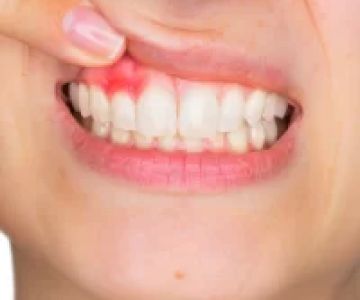
Gum disease, also known as periodontal disease, is a common issue among elderly individuals. It occurs when the tissues around the teeth become infected and inflamed, often leading to tooth loss if not treated properly. In seniors, the risk of developing gum disease increases due to factors such as weakened immune systems, dry mouth, and other health conditions like diabetes. It's important to recognize the signs early to prevent further complications.
Signs of Gum Disease in Elderly People
Some of the most common signs of gum disease in elderly people include:
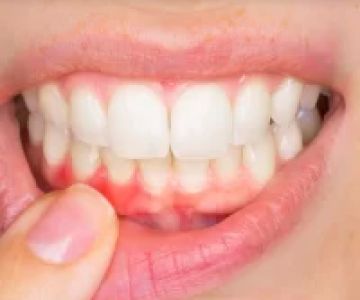
- Red, swollen, or bleeding gums
- Persistent bad breath
- Loose or shifting teeth
- Pain while chewing
- Receding gums
If you or a loved one notices these symptoms, it's crucial to see a dentist as soon as possible for a proper evaluation and treatment plan.
Preventing Gum Disease in Seniors
Prevention is key when it comes to gum disease. For seniors, maintaining good oral hygiene habits can significantly reduce the risk. Here are some steps to prevent gum disease:
- Brush regularly: Brush your teeth at least twice a day with fluoride toothpaste. Consider using an electric toothbrush to ensure a more thorough clean.
- Floss daily: Flossing helps remove plaque and food particles from between the teeth, areas that your toothbrush can't reach.
- Stay hydrated: Seniors often suffer from dry mouth, which increases the risk of gum disease. Drink plenty of water throughout the day.
- Quit smoking: Smoking is a major risk factor for gum disease, and quitting can significantly improve oral health.
- Regular dental checkups: Visiting a dentist regularly for professional cleanings and exams can help catch any early signs of gum disease before they become serious.
Treating Gum Disease in Elderly People
If gum disease is diagnosed, prompt treatment is essential to prevent further damage. Treatment options may include:
- Scaling and root planing: A deep cleaning procedure to remove plaque and tartar from below the gum line.
- Antibiotics: In some cases, antibiotics may be prescribed to help eliminate bacterial infections.
- Surgical treatments: For more severe cases, surgery may be necessary to repair or replace damaged gum tissue.
It's important to follow your dentist's recommendations for treatment and aftercare to ensure the best possible outcome.
Oral Care Tips for Elderly People
In addition to regular brushing and flossing, here are some additional oral care tips for elderly individuals:
- Use a soft-bristled toothbrush: Seniors should use a toothbrush with soft bristles to avoid irritating sensitive gums.
- Consider mouthwash: Mouthwash with antimicrobial properties can help reduce bacteria and prevent gum disease.
- Eat a healthy diet: A balanced diet rich in vitamins and minerals is essential for strong teeth and gums.
Recommended Products for Gum Disease in Elderly
When managing gum disease in elderly people, certain products can make a significant difference in maintaining oral health. Some recommended products include:
- Electric toothbrushes: These can provide a more effective clean compared to manual brushing.
- Fluoride toothpaste: Helps prevent cavities and strengthen tooth enamel.
- Antiseptic mouthwash: Helps kill bacteria and prevent infection in the gums.
To explore some of the best products for gum disease prevention, visit Dentistry Toothtruth.
Maintaining oral health in elderly people can be challenging, but with the right care, gum disease can be prevented and treated effectively. Don't wait for symptoms to worsen; make oral health a priority today. Visit Dentistry Toothtruth for more resources on maintaining healthy teeth and gums for seniors.

 Engle Dentistry4.0 (369 review)
 Corona Hills Modern Dentistry and Orthodontics4.0 (137 review)
 St. Paul Oral Surgery - Mendota Heights4.0 (214 review)
 Assembly Square Family Dental4.0 (4 review)
 Orthodontic Care of Washington - Tacoma4.0 (327 review)
 Carolina Dental Arts - New Bern Ave4.0 (152 review)
 The Importance of Oral Health Education During Pregnancy for a Healthy Pregnancy
 Best Tips for Brushing Your Teeth Properly for Healthy Gums: Essential Techniques for Oral Health
 Why Skipping Dental Checkups Can Lead to Bigger Oral Health Problems
 Advantages of Porcelain Dental Restorations
 How Can Diabetes Cause Tooth and Gum Problems? Preventing and Managing Oral Health Issues
 Healthy Habits for Promoting Good Oral Health and Hygiene: Tips for a Healthy Smile