
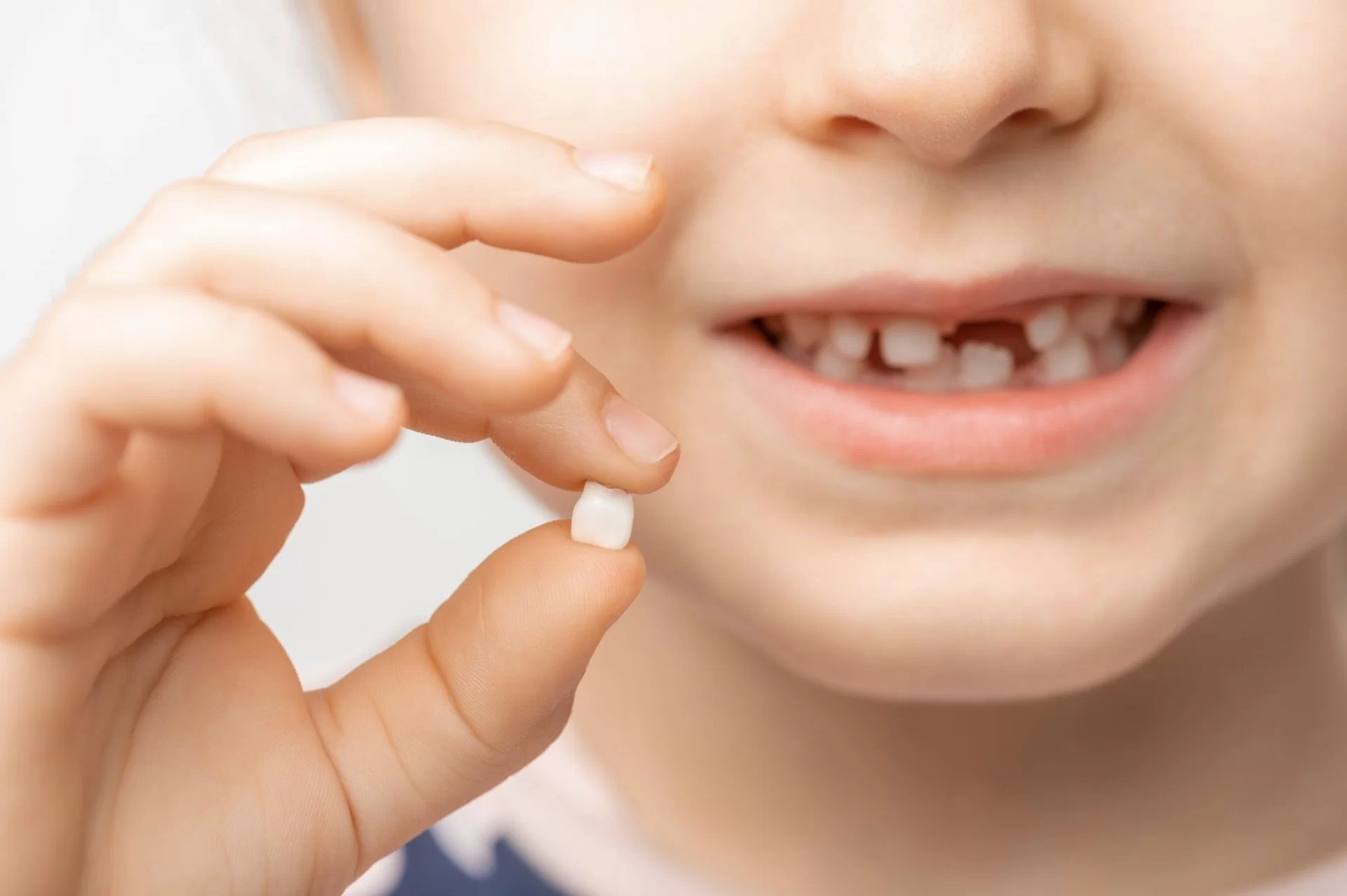
How to Handle Dental Trauma in Children: A Guide for Parents
- Understanding Dental Trauma in Children
- Common Causes of Dental Injuries in Kids
- First Aid for Dental Trauma
- When to Visit the Dentist
- Prevention Tips for Dental Trauma
Understanding Dental Trauma in Children
Dental trauma in children is a common concern for parents, especially during childhood activities like sports, play, or even simple falls. Such injuries may involve chipped, broken, or knocked-out teeth and can be quite distressing for both the child and the parents. However, knowing how to handle dental trauma effectively can make all the difference in minimizing the long-term impact on the child's oral health.
Understanding the types of dental injuries is the first step in preparing to deal with them. These injuries can range from minor chips to more serious trauma, such as a tooth being completely knocked out. Regardless of the severity, quick and appropriate action is essential to ensure the best possible outcome for your child’s dental health.
Common Causes of Dental Injuries in Kids
Dental injuries in children can happen unexpectedly. Some of the most common causes include:
- Sports: Whether playing soccer, basketball, or even skateboarding, physical activities are the leading cause of dental injuries in children.
- Falls: Children are naturally active and curious, which increases the likelihood of falls that may result in dental trauma.
- Accidents: Everyday activities like running, cycling, or playing in the park can lead to dental injuries if a child falls or collides with an object.
- Physical Altercations: Fights or rough play with other children can also cause tooth damage.
First Aid for Dental Trauma
If your child experiences dental trauma, it’s important to act quickly and calmly. Here’s how you can provide first aid for different types of dental injuries:
- For a Knocked-Out Tooth: If a permanent tooth is knocked out, try to find the tooth and handle it by the crown, not the root. If possible, place the tooth back in the socket or store it in milk or saline solution. Take your child to the dentist immediately.
- For a Chipped or Broken Tooth: Clean the mouth gently with water and use a cold compress on the outside of the mouth to reduce swelling. If the broken tooth has sharp edges, cover it with orthodontic wax or a piece of sugarless gum to avoid injury to the soft tissues.
- For Soft Tissue Injuries: If your child’s lips, gums, or tongue are injured, rinse the mouth with clean water and apply gentle pressure with a clean cloth to stop any bleeding. If bleeding continues, seek immediate medical attention.
When to Visit the Dentist
Even minor dental trauma should be evaluated by a dentist to ensure that there is no hidden damage to the teeth or gums. It’s important to visit the dentist immediately if:
- The tooth is knocked out completely, especially if it's a permanent tooth.
- The tooth is severely chipped or cracked.
- There is significant pain or swelling in the mouth or face.
- Bleeding from soft tissues continues for more than 10 minutes or is severe.
- There’s any concern about the child’s overall health, such as dizziness, fainting, or loss of consciousness following the injury.
A dentist can assess the damage, possibly perform a root canal, or offer a dental crown to restore the tooth's function and appearance. In some cases, prompt treatment can save a tooth and minimize the need for future dental work.
Prevention Tips for Dental Trauma
While it’s impossible to prevent all dental injuries, there are some strategies that can reduce the risk of trauma:
- Protective Mouthguards: For children who play sports, using a properly fitted mouthguard can significantly reduce the risk of dental trauma.
- Supervision: Close supervision during active play, especially when children are engaged in high-risk activities, can help prevent accidents that lead to dental injuries.
- Safe Environment: Ensure that the child’s home and play areas are free of hazards that could cause falls or collisions.
- Healthy Habits: Encourage your child to avoid habits like nail-biting or chewing on hard objects, as these can increase the risk of tooth damage.
By taking these steps, you can help minimize the risk of dental trauma and ensure that your child enjoys a healthy, safe smile.
For more information on handling dental trauma in children or for professional advice on preventive dental care, visit Dentistry Toothtruth.






 Robert Niles5.0 (2 review)
 Gover and Gover Dentistry4.0 (22 review)
 Gentle Dental Clackamas Town Center4.0 (167 review)
 Barrett Dental Care4.0 (221 review)
 James S Minutello, DDS and Regina D Minutello DMD MS Inc4.0 (255 review)
 ForwardDental Madison West4.0 (220 review)
 The Importance of Oral Health Education During Pregnancy for a Healthy Pregnancy
 Best Tips for Brushing Your Teeth Properly for Healthy Gums: Essential Techniques for Oral Health
 Why Skipping Dental Checkups Can Lead to Bigger Oral Health Problems
 Advantages of Porcelain Dental Restorations
 How Can Diabetes Cause Tooth and Gum Problems? Preventing and Managing Oral Health Issues
 Healthy Habits for Promoting Good Oral Health and Hygiene: Tips for a Healthy Smile