
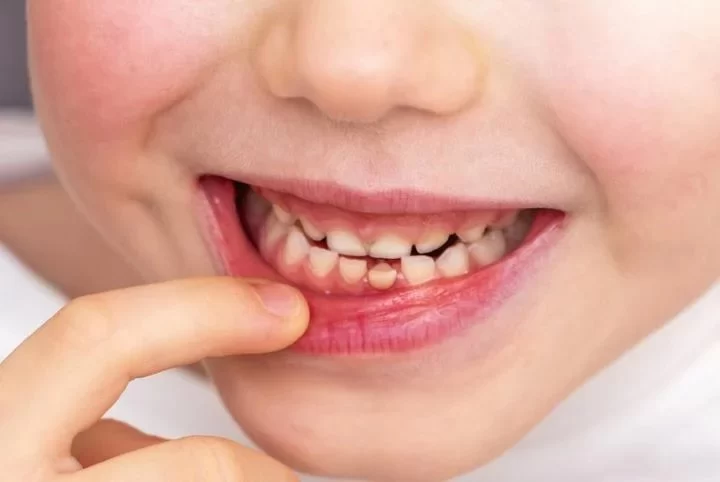
- 1. Why Do Children Lose Their Teeth?
- 2. Understanding the Loose Tooth Process in Children
- 3. How to Help Your Child with a Loose Tooth
- 4. When to See a Dentist for a Loose Tooth
- 5. Making the Loose Tooth Experience Fun for Your Child
- 6. Why Family Dentistry Online Is Your Go-To Resource
1. Why Do Children Lose Their Teeth?
Children begin losing their baby teeth, or primary teeth, around the age of six. This is a natural process that helps make way for the permanent adult teeth. Baby teeth are essential for a child's early development, helping them with eating, speaking, and shaping their jaw. As children grow, their adult teeth start to form beneath the gums, gradually pushing the baby teeth out of the way. This shedding process typically starts with the lower front teeth and continues until all the primary teeth have fallen out, usually by the age of 12 or 13.
2. Understanding the Loose Tooth Process in Children
When a child’s tooth becomes loose, it means the root of the baby tooth is dissolving as the adult tooth beneath it pushes upward. This can make the tooth wobbly and even painful, as the root weakens and the tooth loosens. Children may experience sensitivity, discomfort, or even a bit of bleeding in the gums around the loose tooth. While this process is normal, it can sometimes be unsettling for children who are not familiar with it. It's essential for parents to help their children understand that this is a natural part of growing up, and it’s a sign that their adult teeth are ready to come in.
3. How to Help Your Child with a Loose Tooth
As a parent, it’s important to guide your child through the loose tooth process in a way that makes them feel safe and comfortable. Here are some helpful tips:
3.1 Encourage Gentle Wiggling
If your child’s tooth is slightly loose, encourage them to gently wiggle the tooth with their tongue or fingers. This will help the tooth fall out naturally when it is ready. However, make sure your child does not force the tooth out prematurely, as this could cause pain or injury to the gums.
3.2 Offer Pain Relief if Needed
If your child is experiencing discomfort, you can offer a mild over-the-counter pain reliever like acetaminophen or ibuprofen. Be sure to follow the recommended dosage based on your child’s age and weight. You can also apply a cold compress to the outside of their cheek to help reduce swelling and numb the area if necessary.
3.3 Maintain Good Oral Hygiene
Even with a loose tooth, it’s important to maintain your child’s oral hygiene routine. Encourage your child to continue brushing and flossing their teeth carefully, avoiding the loose tooth to prevent unnecessary pain or damage. Keeping the mouth clean will help prevent infection while the tooth is loosening and ensure that their adult teeth come in healthy.
4. When to See a Dentist for a Loose Tooth
In most cases, loose teeth are a normal part of a child’s development, and no dental intervention is needed. However, there are times when it’s important to see a dentist:
4.1 If the Tooth Is Causing Severe Pain
If your child is experiencing significant pain, bleeding, or swelling around the loose tooth, it may be necessary to consult a dentist. Sometimes a tooth can become infected or abscessed, which requires professional treatment.
4.2 If the Tooth Won’t Fall Out
If the tooth has been loose for a long time and still hasn’t fallen out, the dentist can assess whether the tooth needs to be removed manually to prevent any complications with the adult teeth coming in.
4.3 If the Tooth Was Knocked Loose
If your child’s tooth was knocked loose due to an accident or injury, it’s essential to visit the dentist immediately. In some cases, a knocked-out tooth can be saved if it’s treated quickly. Your dentist will guide you on the proper steps to take to ensure the tooth’s health and your child’s safety.
5. Making the Loose Tooth Experience Fun for Your Child
For many children, the idea of losing a tooth can be a bit scary. However, you can make the experience more exciting by turning it into a fun and rewarding event. Here are some ideas:
5.1 The Tooth Fairy Tradition
One of the most beloved traditions associated with losing a tooth is the visit from the Tooth Fairy. Parents can help make the experience magical by encouraging children to place their lost tooth under their pillow for the Tooth Fairy to collect. In return, children may receive a small reward, such as a coin or a note. This fun tradition can help reduce any fear or anxiety your child may have about losing their tooth.
5.2 Celebrate with a Special Treat
After the tooth falls out, consider celebrating the milestone with a small treat or a fun activity. Whether it’s a favorite snack or a special outing, celebrating the occasion can make your child feel proud of their growing-up process.
6. Why Family Dentistry Online Is Your Go-To Resource
If you’re looking for expert advice and resources on managing your child’s dental health, Family Dentistry Online is your go-to resource. From tips on how to handle loose teeth to understanding your child’s oral development, we provide reliable information to help you navigate your child’s dental journey. Our dental professionals offer guidance on maintaining healthy teeth throughout every stage of your child’s life. Explore our site for more helpful articles and services that support your child’s dental health.


 Susan J. Curley, DDS4.0 (282 review)
 Auburn Dental Group4.0 (182 review)
 Cary Lee Family Dentistry - Dr. Jae S. Lee DDS, PA4.0 (113 review)
 James Silberman, D.D.S.4.0 (56 review)
 Chesterbrook Dental Associates Phoenixville5.0 (31 review)
 Dentists of South Pasadena4.0 (124 review)
 The Importance of Oral Health Education During Pregnancy for a Healthy Pregnancy
 Best Tips for Brushing Your Teeth Properly for Healthy Gums: Essential Techniques for Oral Health
 Why Skipping Dental Checkups Can Lead to Bigger Oral Health Problems
 Advantages of Porcelain Dental Restorations
 How Can Diabetes Cause Tooth and Gum Problems? Preventing and Managing Oral Health Issues
 Healthy Habits for Promoting Good Oral Health and Hygiene: Tips for a Healthy Smile