
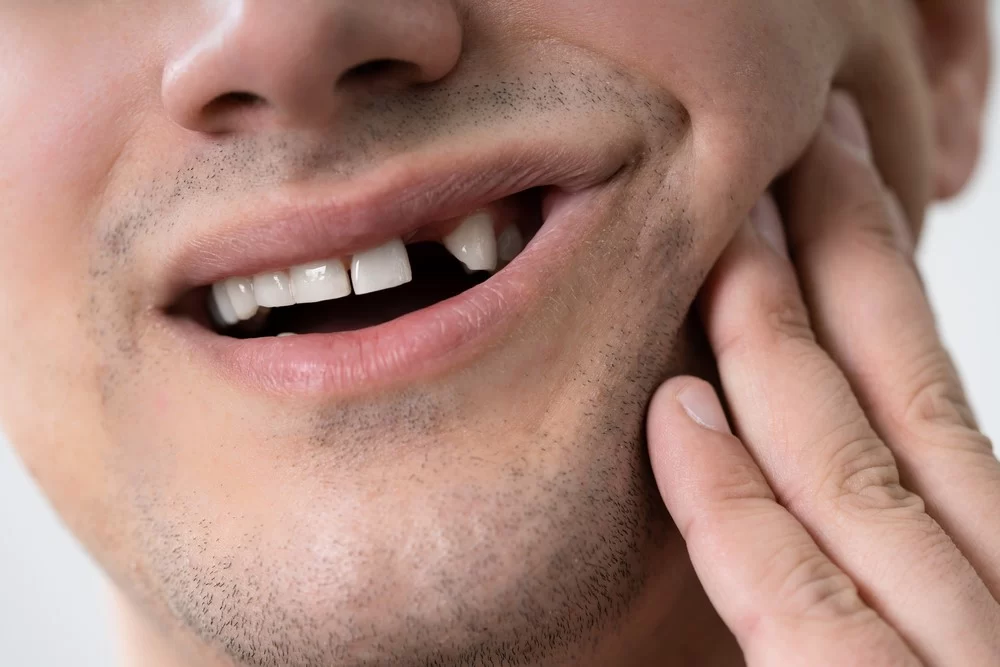
How to Handle a Loose Tooth: Causes, Treatment Options, and Tips
- Understanding the Causes of a Loose Tooth
- Treatment Options for a Loose Tooth
- Proper Care for a Loose Tooth
- Real-Life Experiences: Dealing with Loose Teeth
- Preventing Loose Teeth: Tips for Healthy Teeth
- What to Do Next: Seeking Professional Help
Understanding the Causes of a Loose Tooth
When a tooth becomes loose, it can be concerning, but it’s important to understand the causes before taking action. Loose teeth are common in children as they lose their baby teeth, but they can also occur in adults. Some common causes of loose teeth in adults include:
- Gum Disease (Periodontitis): Infection or inflammation of the gums can weaken the bones supporting your teeth, leading to loosening.
- Trauma or Injury: A blow to the mouth, such as from sports or an accident, can cause a tooth to become loose.
- Teeth Grinding: Habitual teeth grinding can put excessive pressure on teeth, leading to loosening over time.
- Tooth Decay: Severe cavities or decay can cause the surrounding structures to deteriorate, resulting in a loose tooth.
If you notice a loose tooth, it's important to identify the cause as it can guide the right treatment. Whether it's due to an injury or gum disease, seeking professional dental care is critical for preserving the tooth.
Treatment Options for a Loose Tooth
Once you identify the cause of the loose tooth, the next step is treatment. Here are a few common options that your dentist may recommend:
- Dental Bonding: In cases where the tooth is not severely loose, your dentist may use bonding to stabilize the tooth and prevent further movement.
- Root Planing and Scaling: If gum disease is the cause, deep cleaning techniques like root planing and scaling may help remove plaque and bacteria, allowing the gums to heal and reattach to the teeth.
- Splinting: In cases of injury, a dental splint can be used to bind the loose tooth to nearby teeth to stabilize it while it heals.
- Tooth Extraction: If the tooth is too damaged and cannot be saved, your dentist may recommend extraction. In some cases, a dental implant or bridge can replace the lost tooth.
It’s essential to see a dentist as soon as possible if you have a loose tooth, as prompt treatment can help save the tooth and prevent further complications.
Proper Care for a Loose Tooth
While waiting for professional dental care, there are several steps you can take to manage a loose tooth and avoid further damage:
- Avoid Hard Foods: Avoid chewing on hard foods or objects to prevent further pressure on the loose tooth.
- Practice Good Oral Hygiene: Keep your mouth clean by brushing gently with a soft-bristled toothbrush and flossing around the loose tooth to remove food particles.
- Apply a Cold Compress: If the loose tooth is due to an injury, apply a cold compress to reduce swelling and pain.
- Rinse with Saltwater: A saltwater rinse can help soothe inflamed gums and reduce the risk of infection.
By following these steps, you can help reduce the risk of further complications until you can see a dentist.
Real-Life Experiences: Dealing with Loose Teeth
Many people have dealt with loose teeth at some point, whether it was as a child or later in life. For example, Jenna, a 35-year-old mother, experienced a loose tooth after a car accident. Initially, she was worried she might lose the tooth, but after visiting her dentist, she learned that the tooth could be saved with a splint and proper care. Her experience highlights the importance of acting quickly and seeking professional treatment when dealing with a loose tooth.
Preventing Loose Teeth: Tips for Healthy Teeth
Prevention is always better than cure, and there are several things you can do to reduce the likelihood of experiencing a loose tooth:
- Maintain Good Oral Hygiene: Brush and floss regularly to prevent gum disease, which is one of the leading causes of loose teeth in adults.
- Wear Mouthguards: If you play contact sports, wearing a mouthguard can protect your teeth from trauma and injury.
- Avoid Teeth Grinding: If you grind your teeth, consider using a night guard to protect your teeth while you sleep.
- Visit Your Dentist Regularly: Regular check-ups help identify potential dental issues before they become more serious.
By following these tips, you can help prevent loose teeth and maintain good oral health for years to come.
What to Do Next: Seeking Professional Help
Dealing with a loose tooth can be stressful, but with the right care and attention, it is often possible to save the tooth and prevent further complications. If you are experiencing a loose tooth, the best course of action is to schedule a visit with a professional dentist. For more information on how to care for your teeth or if you need assistance with dental treatments, visit Dentistry Toothtruth today.






 3V Dental Associates of Port Washington4.0 (569 review)
 Dr. Donovan Hansen4.0 (22 review)
 Grant Park Dental Group4.0 (365 review)
 Dr. Vu Kong, DDS0.0 (0 review)
 Village Dental - North Raleigh4.0 (1577 review)
 Reflections Dental4.0 (542 review)
 The Importance of Oral Health Education During Pregnancy for a Healthy Pregnancy
 Best Tips for Brushing Your Teeth Properly for Healthy Gums: Essential Techniques for Oral Health
 Why Skipping Dental Checkups Can Lead to Bigger Oral Health Problems
 Advantages of Porcelain Dental Restorations
 How Can Diabetes Cause Tooth and Gum Problems? Preventing and Managing Oral Health Issues
 Healthy Habits for Promoting Good Oral Health and Hygiene: Tips for a Healthy Smile