
How to Fix Teeth Grinding Problems: Effective Solutions for Bruxism Relief
- 1. Introduction: Understanding Teeth Grinding and Bruxism
- 2. Causes of Teeth Grinding
- 3. Identifying Symptoms of Bruxism
- 4. Effective Solutions for Teeth Grinding
- 5. Dental Treatments for Bruxism
- 6. Lifestyle Changes to Prevent Teeth Grinding
- 7. When to Seek Professional Help
1. Introduction: Understanding Teeth Grinding and Bruxism
Teeth grinding, also known as bruxism, is a common issue that affects millions of people worldwide. It involves the involuntary clenching, grinding, or gnashing of teeth, often during sleep. This condition can cause significant dental damage, jaw pain, headaches, and even disrupted sleep patterns. If left untreated, teeth grinding can lead to severe dental issues, including worn-down teeth, fractured enamel, and temporomandibular joint (TMJ) problems.
In this article, we’ll explore how to fix teeth grinding problems, discussing the causes, symptoms, and most effective solutions to stop grinding and protect your teeth from further damage.
2. Causes of Teeth Grinding
Understanding the root cause of your teeth grinding is essential for determining the most effective solution. Some of the most common causes of bruxism include:
- Stress and anxiety: High levels of stress can cause you to grind your teeth, especially during sleep, as a way of coping with tension.
- Misaligned teeth or bite issues: If your teeth are misaligned or your bite is off, your body may respond by grinding your teeth to adjust the bite.
- Sleep disorders: Conditions like sleep apnea can increase the likelihood of teeth grinding during sleep.
- Caffeine or alcohol consumption: Excessive caffeine or alcohol intake can trigger or worsen bruxism, especially if consumed close to bedtime.
- Medications: Certain medications, such as antidepressants or stimulants, have been linked to teeth grinding as a side effect.
By identifying the cause of your teeth grinding, you can better target the right treatment to resolve the issue and prevent further damage.
3. Identifying Symptoms of Bruxism
Teeth grinding often occurs unconsciously, making it difficult to spot on your own. However, there are several signs and symptoms that may indicate bruxism, including:
- Worn-down teeth: One of the most noticeable signs of teeth grinding is worn or flattened tooth surfaces.
- Jaw pain or stiffness: Grinding can strain the muscles around your jaw, causing pain, stiffness, or soreness.
- Frequent headaches: Tension from grinding can lead to chronic headaches or migraines, especially in the morning.
- Tooth sensitivity: Grinding can wear down enamel, leading to increased sensitivity to hot or cold foods and drinks.
- Audible grinding or clenching sounds: You may be able to hear yourself grind or clench your teeth, particularly while sleeping.
If you experience any of these symptoms, it’s important to address your teeth grinding as soon as possible to prevent further damage to your dental health.
4. Effective Solutions for Teeth Grinding
There are several effective ways to stop teeth grinding and protect your teeth from damage. Here are the most popular solutions:
- Stress management: Since stress and anxiety are common causes of bruxism, managing stress through relaxation techniques such as meditation, yoga, or deep breathing can significantly reduce grinding.
- Behavioral therapy: Cognitive behavioral therapy (CBT) can help identify the root causes of stress or anxiety and provide tools to manage and reduce these triggers.
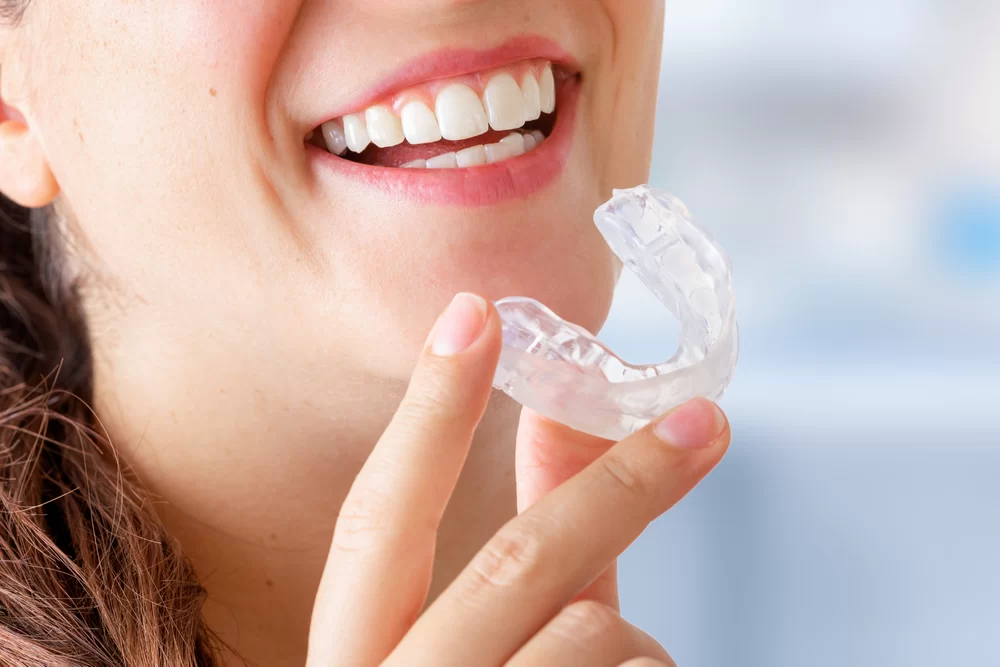
- Use a night guard: A custom-fitted night guard can protect your teeth from grinding while you sleep. This dental appliance is designed to absorb the pressure and prevent enamel damage.
- Proper dental care: Regular dental visits can help monitor and manage any issues related to teeth alignment, bite problems, or enamel wear. A dentist may recommend orthodontic treatments if misalignment is a contributing factor.
Combining these methods with lifestyle adjustments can significantly reduce or even eliminate teeth grinding over time.
5. Dental Treatments for Bruxism
If at-home solutions aren’t effective, there are professional dental treatments available to address bruxism:
- Botox injections: In some cases, Botox injections can help relax the jaw muscles and reduce the intensity of grinding.
- Dental restorations: If teeth grinding has caused severe damage, dental restorations such as crowns or veneers may be necessary to restore tooth function and appearance.
- Orthodontic treatments: If your grinding is caused by misalignment, your dentist may recommend braces or other orthodontic treatments to correct your bite and reduce grinding.
Dental professionals can guide you through the best treatment options based on your specific needs and the severity of your condition.
6. Lifestyle Changes to Prevent Teeth Grinding
In addition to dental treatments, making certain lifestyle changes can help prevent bruxism and protect your teeth in the long run:
- Limit caffeine and alcohol: Reduce your intake of caffeine and alcohol, especially in the evening, as they can trigger or exacerbate teeth grinding.
- Quit smoking: Smoking can increase stress and lead to bruxism. Quitting smoking can reduce your risk of developing or worsening grinding habits.
- Practice good sleep hygiene: Ensure you’re getting enough restful sleep each night. Poor sleep quality can contribute to teeth grinding, so establish a healthy bedtime routine.
Making these simple adjustments to your lifestyle can go a long way in reducing the occurrence of teeth grinding and improving your overall health.
7. When to Seek Professional Help
If you’re experiencing persistent teeth grinding despite trying home remedies or lifestyle changes, it’s important to consult a dental professional. They can provide a comprehensive evaluation, recommend treatments, and help you manage bruxism before it leads to more serious dental issues.
If you’re looking for effective solutions to stop teeth grinding and protect your oral health, visit Dentistry Toothtruth for expert advice and product recommendations to help you manage bruxism and maintain a healthy smile.






 Dental Solutions of Roxborough4.0 (219 review)
 Town Dental - Excelsior4.0 (52 review)
 Dr. Kimmy4.0 (111 review)
 Buttacavoli Dental Arts5.0 (16 review)
 Metro Dentalcare West St. Paul4.0 (125 review)
 Corona Hills Modern Dentistry and Orthodontics4.0 (137 review)
 The Importance of Oral Health Education During Pregnancy for a Healthy Pregnancy
 Best Tips for Brushing Your Teeth Properly for Healthy Gums: Essential Techniques for Oral Health
 Why Skipping Dental Checkups Can Lead to Bigger Oral Health Problems
 Advantages of Porcelain Dental Restorations
 How Can Diabetes Cause Tooth and Gum Problems? Preventing and Managing Oral Health Issues
 Healthy Habits for Promoting Good Oral Health and Hygiene: Tips for a Healthy Smile