
What Are Misaligned Teeth?
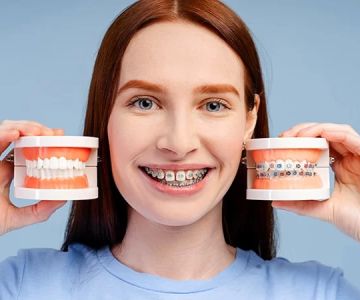
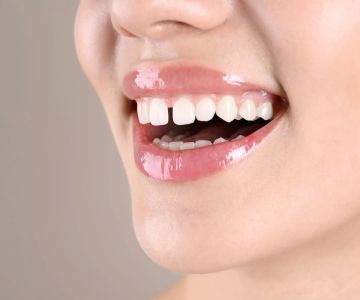
Misaligned teeth, also known as malocclusion, refer to teeth that are not aligned properly. They may overlap, protrude, or be crooked, affecting both the appearance and function of your teeth. Misalignment can impact chewing, speech, and oral health, and may even cause discomfort or pain if left untreated. While braces are often used to correct these issues, there are alternatives that can help align your teeth without the need for traditional metal braces.
Causes of Misaligned Teeth
Several factors can contribute to misaligned teeth, including:
- Genetics: Some people are naturally born with misaligned teeth due to their jaw structure or hereditary factors.
- Thumb Sucking: Prolonged thumb sucking during childhood can cause the teeth to shift out of alignment.
- Jaw Size and Shape: An undersized or oversized jaw can lead to teeth crowding or gaps.
- Injury or Trauma: Accidents or trauma to the mouth can cause teeth to shift out of their natural positions.
Identifying the underlying cause of misalignment can help determine the best approach to treatment.
Alternatives to Braces for Fixing Misaligned Teeth
If you want to fix misaligned teeth but prefer not to wear traditional braces, there are several alternatives available:
- Clear Aligners: Clear aligners, such as Invisalign, are a popular alternative to braces. They are custom-made trays that gradually move your teeth into the correct position. They are virtually invisible and can be removed for eating and cleaning.
- Veneers: Dental veneers are thin, custom-made shells that cover the front surface of your teeth. While veneers do not reposition teeth, they can improve the appearance of slightly misaligned teeth.
- Dental Bonding: Dental bonding is a procedure in which a tooth-colored resin is applied to the teeth to correct imperfections. It can be used to reshape teeth, making them look straighter and more even.
- Palatal Expanders: For patients with a narrow jaw, palatal expanders can widen the upper jaw to help align the teeth more effectively.
These alternatives may be a better option for adults or individuals seeking a more discreet and comfortable way to fix misalignment without the use of braces.
Choosing the Right Treatment for Misaligned Teeth
The best treatment for your misaligned teeth depends on factors such as the severity of the misalignment, your age, and personal preferences. It is important to consult with a dentist or orthodontist who can assess your specific situation and recommend the most suitable solution. Here's how to make an informed decision:
- Severity of Misalignment: Clear aligners and veneers may be effective for mild to moderate misalignment, while more complex cases may require orthodontic treatments.
- Cost Considerations: Traditional braces can be more affordable than some alternatives, but options like clear aligners may offer better convenience and aesthetics.
- Time Commitment: Clear aligners may take less time than traditional braces, and they can be removed when eating or drinking, making them more flexible for some people.
Ultimately, choosing the right treatment requires balancing your cosmetic goals with your lifestyle and dental health needs.
Preventing Further Misalignment of Teeth
After undergoing treatment to fix misaligned teeth, it is important to maintain your results and prevent further misalignment. Here are some helpful tips:
- Wear Retainers: If you've used clear aligners or braces, wearing a retainer as recommended by your dentist is crucial to keep your teeth in their new positions.
- Good Oral Hygiene: Keeping your teeth and gums healthy will ensure that your teeth remain in their optimal positions. Brush and floss regularly, and schedule regular dental checkups.
- Address Teeth Grinding: If you grind your teeth at night, consider using a mouthguard to protect your teeth from shifting due to the pressure.
By taking these steps, you can help maintain the results of your treatment and ensure that your teeth stay properly aligned for years to come.

 Lafayette Hill Family Dentistry4.0 (5 review)
 Dr. Amy James & Associates Orthodontists4.0 (179 review)
 Equitas Health Short North Medical Center3.0 (96 review)
 Lindgren Dental Care4.0 (486 review)
 Community Health Center of Snohomish County - Everett-North Clinic4.0 (960 review)
 Think Better Life - Orofacial Pain, TMJ & Sleep Disorder Solutions Chicago4.0 (11 review)
 The Importance of Oral Health Education During Pregnancy for a Healthy Pregnancy
 Best Tips for Brushing Your Teeth Properly for Healthy Gums: Essential Techniques for Oral Health
 Why Skipping Dental Checkups Can Lead to Bigger Oral Health Problems
 Advantages of Porcelain Dental Restorations
 How Can Diabetes Cause Tooth and Gum Problems? Preventing and Managing Oral Health Issues
 Healthy Habits for Promoting Good Oral Health and Hygiene: Tips for a Healthy Smile