
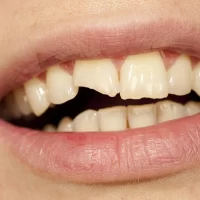
How to Fix a Cracked Tooth
- 1. What Causes a Cracked Tooth?
- 2. How to Recognize a Cracked Tooth
- 3. Treatment Options for Fixing a Cracked Tooth
- 4. Home Care for a Cracked Tooth
- 5. Preventing a Cracked Tooth in the Future
1. What Causes a Cracked Tooth?
A cracked tooth can occur due to a variety of reasons. From accidental trauma to grinding your teeth at night, several factors contribute to this common dental problem. A cracked tooth can happen when you bite down on something hard, like a nut or a piece of ice, or due to years of wear and tear. Additionally, teeth that are weakened by decay or large fillings are more susceptible to cracking.
It’s important to understand what causes cracked teeth so you can take preventive measures and get the right treatment before the problem worsens.
2. How to Recognize a Cracked Tooth
Recognizing a cracked tooth can be tricky, as the symptoms can vary depending on the severity and location of the crack. Here are some common signs that you may have a cracked tooth:
- Tooth Sensitivity: You may experience discomfort when eating hot, cold, or sweet foods, as the crack exposes the inner layers of the tooth.
- Sharp Pain When Biting: A cracked tooth may cause sharp pain when you bite down on food. This occurs because the crack shifts slightly when pressure is applied.
- Visible Crack: In some cases, you may be able to see a visible crack or fracture in your tooth, especially if the crack is large.
- Swelling of the Gum: If the crack extends deep into the tooth, it may irritate the surrounding gum tissue, leading to swelling or inflammation.
If you suspect you have a cracked tooth, it’s important to visit a dentist as soon as possible. Ignoring the symptoms can lead to further complications, including infection and tooth loss.
3. Treatment Options for Fixing a Cracked Tooth
Treating a cracked tooth effectively depends on the severity and type of crack. There are several treatment options available, and your dentist will recommend the best solution based on the condition of your tooth:
- Dental Bonding: For small cracks or chips, dental bonding is a quick and cost-effective solution. Your dentist applies a tooth-colored resin to the cracked area, which hardens and blends seamlessly with your natural tooth.
- Dental Crown: A crown is often used for more extensive cracks that affect the tooth’s structure. The crown covers the entire tooth, restoring its shape and function while protecting it from further damage.
- Root Canal Treatment: If the crack has reached the pulp of the tooth, a root canal may be necessary to remove the damaged tissue and seal the tooth. After the root canal, a crown is typically placed to protect the tooth.
- Tooth Extraction: In severe cases where the tooth is beyond repair, extraction may be the only option. After extraction, your dentist will discuss replacement options, such as dental implants or bridges.
It’s essential to get the right treatment promptly to prevent the crack from worsening and avoid complications like infection or tooth loss.
4. Home Care for a Cracked Tooth
If you have a cracked tooth, here are some steps you can take at home to manage the condition until you can visit your dentist:
- Avoid Hard Foods: Stick to soft foods and avoid chewing on the side of the cracked tooth. Hard foods can worsen the crack and cause further damage.
- Use a Cold Compress: If you experience swelling or pain around the cracked tooth, applying a cold compress to the outside of your cheek can help reduce inflammation and discomfort.
- Take Pain Relievers: Over-the-counter pain relievers, such as ibuprofen, can help manage any pain associated with the cracked tooth. However, this is a temporary solution, and seeing your dentist is crucial.
While these home care methods can alleviate discomfort, they are not a substitute for professional dental treatment. Be sure to consult a dentist for an accurate diagnosis and appropriate treatment.
5. Preventing a Cracked Tooth in the Future
While accidents happen, there are steps you can take to prevent cracked teeth in the future:
- Wear a Mouthguard: If you play sports or grind your teeth at night, wearing a mouthguard can protect your teeth from trauma and excessive pressure.
- Avoid Chewing Hard Objects: Avoid chewing on ice, hard candies, or other objects that can put undue stress on your teeth and cause them to crack.
- Maintain Good Oral Hygiene: Taking care of your teeth by brushing and flossing regularly helps prevent cavities and weakens enamel, reducing the risk of cracking.
- Visit Your Dentist Regularly: Regular dental checkups allow your dentist to identify any potential issues, such as weak teeth or cavities, before they become more serious problems.
By taking these preventive steps, you can significantly reduce the risk of developing a cracked tooth in the future and maintain strong, healthy teeth.
If you need expert advice or are looking for solutions to fix a cracked tooth, visit Dentistry Toothtruth for more information on tooth restoration and treatment options.






 Divine Dentistry4.0 (434 review)
 Daniel Jeffrey Cohen, DDS5.0 (117 review)
 Shine Orthodontics and Pediatric Dentistry4.0 (858 review)
 High Point Dentistry4.0 (1675 review)
 Elegant Dentistry, Brett Sperry DMD5.0 (3 review)
 Donald C. Bogert, Jr., DMD PA/ Riverdale NJ Dentist5.0 (1 review)
 The Importance of Oral Health Education During Pregnancy for a Healthy Pregnancy
 Best Tips for Brushing Your Teeth Properly for Healthy Gums: Essential Techniques for Oral Health
 Why Skipping Dental Checkups Can Lead to Bigger Oral Health Problems
 Advantages of Porcelain Dental Restorations
 How Can Diabetes Cause Tooth and Gum Problems? Preventing and Managing Oral Health Issues
 Healthy Habits for Promoting Good Oral Health and Hygiene: Tips for a Healthy Smile