
How to Fight Plaque Buildup: Effective Tips and Prevention Methods
- 1. Understanding Plaque Buildup
- 2. Why Plaque Is Harmful to Your Teeth
- 3. Signs of Plaque Buildup
- 4. How to Prevent Plaque Buildup
- 5. Home Remedies for Fighting Plaque
- 6. When to Visit the Dentist for Plaque Control
1. Understanding Plaque Buildup
Plaque is a sticky, colorless film of bacteria that constantly forms on your teeth. It’s primarily made up of food particles and saliva, which bacteria feed on. Over time, if plaque isn't removed, it hardens and turns into tartar, which can only be removed by a dentist. Fighting plaque buildup is crucial not only for keeping your teeth clean but also for maintaining overall oral health.
2. Why Plaque Is Harmful to Your Teeth
Plaque buildup can lead to a number of dental issues, from cavities to gum disease. The bacteria in plaque produce acids that can erode tooth enamel, leading to tooth decay. Additionally, plaque can cause inflammation in the gums, resulting in gingivitis, the early stage of gum disease. If left untreated, plaque can eventually lead to periodontitis, a more severe form of gum disease that can cause tooth loss.
Fighting plaque buildup is essential to preventing these dental problems and ensuring that your smile stays healthy and beautiful.
3. Signs of Plaque Buildup
How can you tell if plaque is building up on your teeth? Here are some common signs:
- Bad breath: Plaque harboring bacteria can cause foul-smelling breath, which is one of the first signs of buildup.
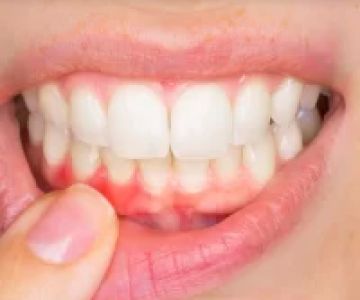
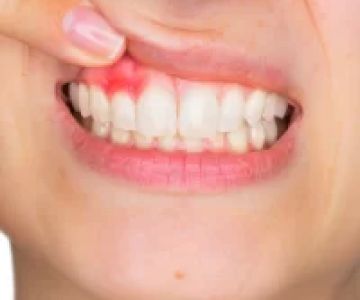
- Red or swollen gums: If your gums appear inflamed or bleed when brushing, plaque buildup could be the cause.
- Visible yellowish film: Plaque often appears as a soft, yellowish film on the surfaces of your teeth.
- Tooth sensitivity: If your teeth are more sensitive to hot or cold temperatures, plaque buildup may be irritating your gums or eroding tooth enamel.
If you notice any of these signs, it’s time to take action and fight plaque buildup to prevent further damage to your oral health.
4. How to Prevent Plaque Buildup
Prevention is always the best approach to plaque buildup. Here are some effective tips to help you prevent plaque from accumulating on your teeth:
- Brush your teeth regularly: Brushing your teeth at least twice a day with fluoride toothpaste helps to remove food particles and bacteria that form plaque.
- Use proper brushing technique: Hold your toothbrush at a 45-degree angle to your gums and use gentle, circular motions to clean the surfaces of your teeth.
- Floss daily: Flossing removes plaque and food particles from between your teeth and along the gum line, where a toothbrush can't reach.
- Limit sugary foods: Plaque bacteria thrive on sugar, so reducing your intake of sugary snacks and drinks will help reduce plaque formation.
- Visit the dentist regularly: Regular dental check-ups and cleanings are crucial in preventing plaque buildup and addressing any early signs of tooth decay or gum disease.
By following these simple steps, you can significantly reduce the chances of plaque buildup and maintain good oral hygiene.
5. Home Remedies for Fighting Plaque
In addition to regular brushing and flossing, there are some natural remedies you can try at home to help fight plaque buildup:
- Oil pulling: Swishing a tablespoon of coconut oil or sesame oil around in your mouth for about 10 minutes can help remove plaque and bacteria from your mouth.
- Apple cider vinegar rinse: Diluting apple cider vinegar with water and swishing it in your mouth may help break down plaque. However, use it sparingly, as the acidity could erode tooth enamel over time.
- Baking soda: A mild abrasive, baking soda can help scrub plaque off your teeth. It can be used as a toothpaste substitute a few times a week.
While these remedies can be helpful in reducing plaque, they should complement, not replace, regular dental care practices like brushing and flossing.
6. When to Visit the Dentist for Plaque Control
Even with good at-home care, plaque can still build up in areas that are hard to reach. That’s why visiting your dentist regularly is so important. Professional cleanings help remove tartar and plaque that have hardened and are no longer removable with regular brushing. Additionally, your dentist can check for any early signs of cavities or gum disease that may be linked to plaque buildup.
If you notice persistent bad breath, bleeding gums, or tooth sensitivity despite following a good oral hygiene routine, it may be time to consult your dentist. Early intervention can prevent further damage to your teeth and gums.


 Downer Place Dental & Orthodontics4.0 (634 review)
 Brace Busters3.0 (2 review)
 Piedmont Periodontics4.0 (34 review)
 Oregon Endodontic Group5.0 (68 review)
 Oakwood Dental Arts4.0 (470 review)
 Longwood Dental Group4.0 (544 review)
 The Importance of Oral Health Education During Pregnancy for a Healthy Pregnancy
 Best Tips for Brushing Your Teeth Properly for Healthy Gums: Essential Techniques for Oral Health
 Why Skipping Dental Checkups Can Lead to Bigger Oral Health Problems
 Advantages of Porcelain Dental Restorations
 How Can Diabetes Cause Tooth and Gum Problems? Preventing and Managing Oral Health Issues
 Healthy Habits for Promoting Good Oral Health and Hygiene: Tips for a Healthy Smile