
The Importance of Practicing Proper Oral Hygiene
Oral hygiene is more than just having a bright smile—it directly affects your overall health. Poor oral care has been linked to gum disease, tooth decay, and even conditions such as heart disease and diabetes. By following consistent and proper oral hygiene practices, you can protect not only your teeth and gums but also your general well-being. Many people underestimate the importance of daily habits, but experts stress that prevention through routine care is the key to lifelong dental health.
Daily Oral Hygiene Habits Everyone Should Follow
1 - Brushing Technique and Frequency
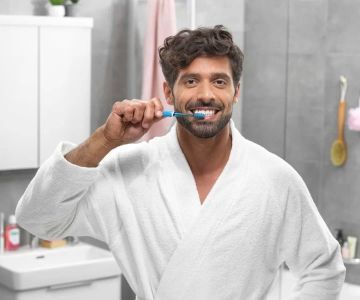
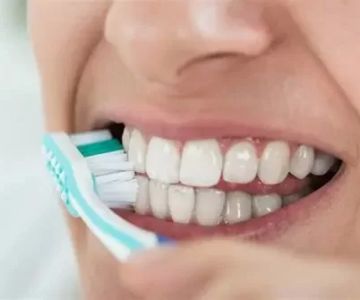
Brushing at least twice a day is essential, but the technique you use matters just as much. Dentists recommend brushing for two full minutes with a soft-bristled toothbrush. Using gentle, circular motions helps remove plaque without damaging the enamel or irritating the gums. Fluoride toothpaste is also strongly encouraged since it strengthens tooth enamel and reduces the risk of cavities.
2 - Flossing to Reach What Brushing Misses
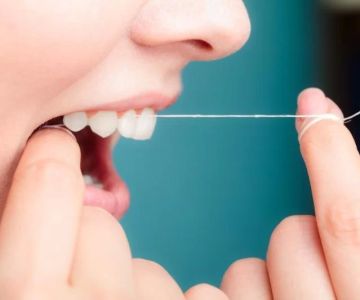
Flossing daily is one of the most neglected habits in oral care. Food particles and plaque often remain between teeth where the toothbrush cannot reach. Without flossing, these particles can harden into tartar, leading to gum disease. An American Dental Association study highlighted that people who floss regularly had significantly lower chances of developing periodontal issues compared to those who skipped it.
3 - The Role of Mouthwash in Oral Care
Mouthwash should not be seen as a replacement for brushing and flossing, but rather a powerful addition. Antimicrobial rinses can reduce bacteria, freshen breath, and prevent plaque buildup. For those with specific conditions like dry mouth or sensitive gums, specialized mouthwashes can provide additional relief and protection.
Common Mistakes People Make in Oral Hygiene
1 - Brushing Too Hard
Some people believe that brushing harder means cleaning better, but this can actually harm the enamel and cause gum recession. A real-life case often shared by dentists is of patients in their 30s experiencing tooth sensitivity because they brushed aggressively for years. Gentle yet consistent brushing is always more effective.
2 - Using the Wrong Toothbrush
Choosing a toothbrush with stiff bristles may feel like it removes plaque quickly, but it risks damaging your gums. Experts recommend soft-bristle brushes or electric toothbrushes with pressure sensors, which help balance effective cleaning with protection against over-brushing.
3 - Ignoring the Tongue
The tongue harbors a large number of bacteria that can cause bad breath and contribute to oral infections. Cleaning your tongue with a scraper or the back of your toothbrush is a simple but often overlooked step in maintaining oral hygiene.
The Link Between Oral Health and Overall Wellness
Medical research shows strong connections between oral health and systemic health. For example, untreated gum disease increases the risk of cardiovascular issues and complications with diabetes. Pregnant women with poor oral hygiene have a higher chance of premature births. These findings make it clear: maintaining good oral hygiene habits is not just about protecting your teeth—it’s about safeguarding your entire body.
Professional Dental Care and Regular Checkups
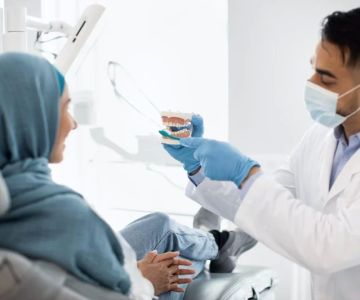
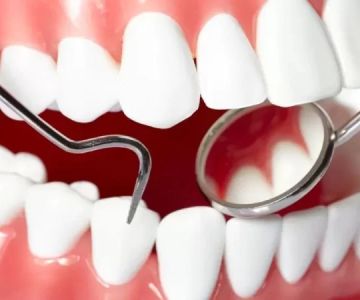
No matter how dedicated you are to your daily oral hygiene, professional dental visits remain essential. Dentists can identify early signs of cavities, gum disease, and other conditions that may not be visible to you. Experts recommend a checkup every six months. At Family Dentistry Online, patients can find tailored dental services, from preventive care to advanced treatments, ensuring their smiles stay healthy for life.
Building an Oral Hygiene Routine That Lasts
Consistency is the foundation of successful oral care. Setting reminders for brushing and flossing, investing in quality dental products, and making oral hygiene a family practice can encourage better habits for everyone at home. Parents who model good oral care often see their children grow into adults who take dental health seriously.
Real-Life Stories That Highlight the Value of Oral Hygiene
One inspiring case involved a young professional who ignored mild gum bleeding for months. When finally visiting a dentist, he was diagnosed with early-stage periodontitis. With timely treatment and a strict new oral hygiene routine, he reversed much of the damage. Stories like this highlight how recognizing small signs early can prevent lifelong dental problems.

 Dr. William H. Smythe, DMD5.0 (281 review)
 Parkland Family Dentistry: Dr. Bradley Norman5.0 (3 review)
 Mayfair Family Dentistry4.0 (435 review)
 Glee Dental4.0 (266 review)
 Emerald Dental4.0 (564 review)
 Michael E Krone & Associates5.0 (39 review)
 The Importance of Oral Health Education During Pregnancy for a Healthy Pregnancy
 Best Tips for Brushing Your Teeth Properly for Healthy Gums: Essential Techniques for Oral Health
 Why Skipping Dental Checkups Can Lead to Bigger Oral Health Problems
 Advantages of Porcelain Dental Restorations
 How Can Diabetes Cause Tooth and Gum Problems? Preventing and Managing Oral Health Issues
 Healthy Habits for Promoting Good Oral Health and Hygiene: Tips for a Healthy Smile