
1. The Importance of Good Oral Hygiene
Oral hygiene is about more than just having a bright smile. It's essential for overall health and wellness. In the United States, dental health plays a huge role in maintaining good health, and it's something we often overlook. Poor oral hygiene can lead to a number of health issues, including gum disease, tooth decay, and even heart disease. According to the American Dental Association, brushing and flossing regularly, along with visiting your dentist for check-ups, are essential to prevent these problems. Yet, so many people still struggle with maintaining good oral hygiene habits.
Many Americans face daily challenges when it comes to maintaining a healthy mouth. Whether it’s the temptation of sugary foods, busy schedules, or simply not knowing the best techniques for brushing and flossing, it’s easy to slip into bad habits. However, with the right knowledge and consistent practice, anyone can achieve and maintain excellent oral hygiene. This article will provide you with all the essential tips, tricks, and guidelines you need to improve and sustain a proper oral care routine.
2. Brushing Your Teeth: The Foundation of Oral Hygiene
Brushing your teeth is the cornerstone of good oral hygiene. It’s something we do every day, but are we doing it correctly? Brushing is crucial for removing plaque, the sticky film of bacteria that forms on your teeth, and preventing tooth decay. But it’s not just about how often you brush—it’s about how you brush, what you use, and when you do it.
2.1 Choose the Right Toothbrush and Toothpaste
The first step in brushing correctly is using the right tools. The American Dental Association recommends a soft-bristled toothbrush to prevent damage to your gums and enamel. Whether you use a manual or electric toothbrush is up to you, but many people find electric toothbrushes more effective at cleaning their teeth and gums. As for toothpaste, choose one that contains fluoride, as fluoride strengthens tooth enamel and helps prevent cavities.
2.2 Proper Brushing Technique
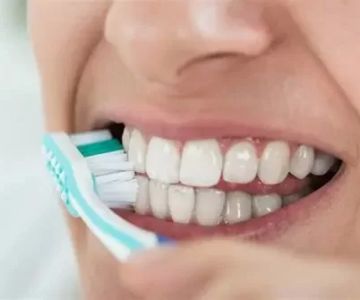
Brushing your teeth may seem simple, but there’s a proper technique that ensures you’re cleaning your teeth effectively. Hold your toothbrush at a 45-degree angle to your gums and use gentle, circular motions. Avoid scrubbing back and forth with force, as this can damage the enamel and irritate the gums. Make sure to brush all surfaces of your teeth—outer, inner, and chewing surfaces—and don’t forget your tongue! The tongue can harbor bacteria, which contributes to bad breath and can lead to other oral health issues.
2.3 How Often Should You Brush?
It’s recommended to brush your teeth at least twice a day: once in the morning and once before bed. If you eat sugary or acidic foods, brushing after meals is also beneficial. However, if you’ve consumed acidic food or drinks, like citrus or soda, wait about 30 minutes before brushing. Brushing immediately after eating acidic foods can wear away enamel.
3. Flossing: An Essential Step for Healthy Gums
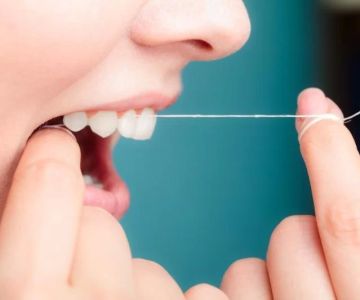
While brushing removes food particles and plaque from the surfaces of your teeth, flossing is the only way to remove plaque and debris from between your teeth and along the gum line. Flossing helps prevent gum disease, tooth decay, and bad breath. Despite its importance, many people skip flossing. According to a 2020 study by the Centers for Disease Control, nearly 40% of Americans don’t floss daily. Flossing may seem time-consuming, but it only takes a few minutes and is well worth the effort.
3.1 How to Floss Correctly
To floss properly, take about 18 inches of dental floss and wrap it around your middle fingers, leaving about an inch of floss to work with. Gently slide the floss between your teeth, curving it around each tooth in a C-shape. Be sure to go under the gum line, but avoid snapping or forcing the floss, as this can hurt your gums. Repeat this process for each tooth, using a clean section of floss as you move from tooth to tooth.
3.2 Alternatives to Traditional Floss
If you find traditional floss difficult to use or uncomfortable, there are alternatives such as floss picks, interdental brushes, and water flossers. These tools can be easier to handle, especially for those with braces or limited dexterity. However, no matter what method you choose, it’s important to make flossing a daily habit.
4. The Role of Diet in Oral Health
Your diet plays a major role in your oral health. Certain foods can either support or damage your teeth and gums. A balanced diet that includes plenty of water, fruits, vegetables, and whole grains can help maintain a healthy mouth. Conversely, sugary foods and drinks can lead to tooth decay by feeding harmful bacteria in your mouth.
4.1 Foods That Promote Oral Health
Calcium-rich foods like milk, cheese, and yogurt help strengthen teeth. Vitamin C-rich foods, such as citrus fruits, strawberries, and bell peppers, support healthy gums by aiding in collagen production. Foods high in fiber, such as apples, carrots, and celery, naturally clean your teeth and stimulate saliva production, which helps wash away food particles and bacteria.
4.2 Foods to Avoid
On the flip side, foods high in sugar and acidity can damage your teeth. Sticky candies, sugary snacks, and soft drinks can lead to cavities, while acidic foods like citrus, soda, and wine can erode tooth enamel. It’s important to limit these foods and, if consumed, brush your teeth afterward or rinse your mouth with water to help neutralize the acids.
5. The Importance of Regular Dental Check-Ups
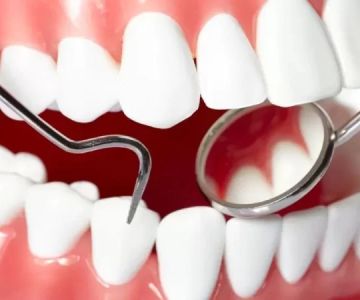
No matter how well you care for your teeth at home, regular visits to the dentist are essential. Dental professionals can spot issues early on, such as cavities, gum disease, or oral cancer, that may not be visible to the naked eye. Most experts recommend scheduling a dental check-up every six months.
5.1 Professional Cleanings
Even with consistent brushing and flossing, it’s difficult to remove all the plaque from your teeth. During your dental visit, a hygienist will perform a professional cleaning to remove plaque and tartar buildup. This can help prevent gum disease and keep your teeth and gums healthy.
5.2 Early Detection of Oral Health Issues
Regular dental check-ups also allow for early detection of potential problems, such as cavities, gum disease, or misaligned teeth. Detecting issues early can save you time, money, and discomfort down the road by addressing problems before they become more serious.
6. Common Oral Health Myths
There are many misconceptions about oral health that can lead people astray. Let’s take a look at some of the most common myths and the truths behind them.
6.1 Myth: If My Teeth Don’t Hurt, They’re Fine
Just because your teeth don’t hurt doesn’t mean they’re healthy. Many dental issues, such as cavities or gum disease, may not cause pain until they’re more advanced. Regular check-ups are key to catching these problems early.
6.2 Myth: Whitening Toothpaste Can Whiten My Teeth Permanently
While whitening toothpaste can help remove surface stains, it won’t change the natural color of your teeth. If you’re looking for more dramatic whitening results, talk to your dentist about professional whitening options.
6.3 Myth: Brushing Harder Cleans Better
Brushing too hard can actually damage your gums and tooth enamel. It’s important to use a soft-bristled toothbrush and gentle, circular motions to clean your teeth effectively without causing harm.
7. Conclusion: Taking Control of Your Oral Health
Good oral hygiene is essential for maintaining not just a beautiful smile, but overall health. By adopting proper brushing and flossing techniques, eating a balanced diet, and visiting your dentist regularly, you can take control of your oral health and avoid serious dental issues. If you need further assistance in achieving and maintaining a healthy smile, visit Family Dentistry Online for expert advice and services.



 Village Dental - North Raleigh4.0 (1577 review)
 Dental Health Associates, P.A.3.0 (355 review)
 Maine Orthodontics5.0 (2 review)
 Schuller Dental5.0 (196 review)
 Reichheld Ting Orthodontics - Westford5.0 (308 review)
 HealthPartners Dental Clinic St. Paul2.0 (16 review)
 The Importance of Oral Health Education During Pregnancy for a Healthy Pregnancy
 Best Tips for Brushing Your Teeth Properly for Healthy Gums: Essential Techniques for Oral Health
 Why Skipping Dental Checkups Can Lead to Bigger Oral Health Problems
 Advantages of Porcelain Dental Restorations
 How Can Diabetes Cause Tooth and Gum Problems? Preventing and Managing Oral Health Issues
 Healthy Habits for Promoting Good Oral Health and Hygiene: Tips for a Healthy Smile