
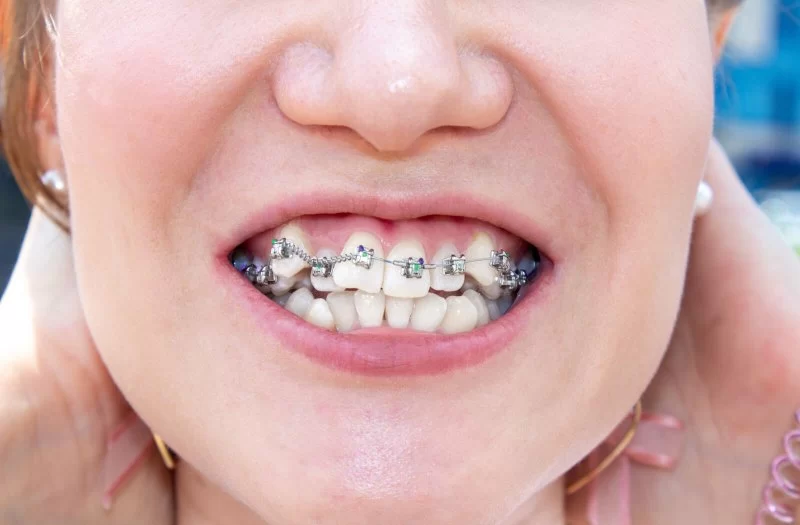
- 1. Understanding Crooked Teeth and Their Causes
- 2. Why Aligners Are an Effective Option for Crooked Teeth
- 3. Other Treatment Options for Crooked Teeth
- 4. My Personal Experience with Aligners
- 5. How to Choose the Right Treatment for You
1. Understanding Crooked Teeth and Their Causes
Crooked teeth are a common dental concern that many people experience at some point in their lives. As someone who has struggled with uneven teeth for years, I know firsthand how it can affect both your appearance and your confidence. Crooked teeth can also impact your oral health, causing difficulties with biting, chewing, and even speaking. But what exactly causes crooked teeth, and why are so many people affected by them?
Crooked teeth can be the result of various factors, including genetics, childhood habits, and environmental influences. For instance, some people are simply born with misaligned jaws or teeth, while others may develop crooked teeth due to habits like thumb sucking or prolonged use of a pacifier during childhood. Additionally, the alignment of your teeth can be influenced by external factors, such as losing baby teeth too early, dental trauma, or even poor nutrition during formative years.
While crooked teeth are mostly a cosmetic concern, they can also lead to functional issues, such as difficulty cleaning certain areas of the mouth, which can increase the risk of cavities and gum disease. As a result, many people, including myself, choose to pursue orthodontic treatments like aligners to straighten their teeth and improve both their appearance and oral health.
2. Why Aligners Are an Effective Option for Crooked Teeth
When I was first looking into options for fixing my crooked teeth, I came across aligners, particularly Invisalign. Aligners are a popular alternative to traditional metal braces, offering a more discreet and convenient way to straighten teeth. I was initially drawn to aligners because of their flexibility and comfort. After trying them out for myself, I can confidently say that they are one of the most effective and comfortable solutions available for straightening crooked teeth.
1. Comfort and Convenience
One of the biggest benefits of using aligners, in my experience, is the comfort. Traditional metal braces can be uncomfortable and often irritate the inside of the mouth, especially when they are adjusted. Aligners, on the other hand, are made from smooth plastic and are custom-fitted to your teeth, ensuring a more comfortable fit. I also appreciate that aligners can be removed whenever needed, such as during meals or when brushing and flossing. This made it much easier to maintain good oral hygiene compared to wearing braces.
2. A Discreet Option
Another major advantage of aligners is that they are much less noticeable than traditional braces. As someone who was self-conscious about my teeth, I loved the idea of using clear aligners that were barely visible to others. When I started wearing Invisalign, it was refreshing to have a solution that didn’t affect my appearance as much as braces would. For people like me, who are concerned about their smile during treatment, aligners offer a discreet option that allows you to go about your daily life without drawing attention to your dental work.
3. Customization for Better Results
What really impressed me with aligners was how they are tailored to each individual’s teeth. Using 3D imaging, the orthodontist or dentist creates a personalized treatment plan that maps out the movement of your teeth over time. Each set of aligners is worn for about two weeks, gradually shifting your teeth into their desired position. I found this level of customization to be highly effective because it ensures that every step of the treatment is specifically designed for my unique dental needs.
3. Other Treatment Options for Crooked Teeth
While aligners are a fantastic option for many people, they aren't the only solution available for crooked teeth. Here are a few other treatments that are worth considering:
1. Traditional Metal Braces
Traditional metal braces have been the standard treatment for crooked teeth for decades. Although they are effective at straightening teeth, they can be quite noticeable and uncomfortable, as they involve brackets and wires that are attached to the teeth. While they may not be as popular as aligners for cosmetic reasons, they are still a reliable option for those with more severe misalignment or bite issues that require more extensive adjustments.
2. Ceramic Braces
Ceramic braces are similar to traditional metal braces but use clear or tooth-colored materials, making them less noticeable. These are a good option for those who want a less conspicuous treatment but still require the power of traditional braces. They can be a little more expensive than metal braces, but they offer a good compromise between effectiveness and aesthetics.
3. Lingual Braces
Lingual braces are attached to the back of the teeth rather than the front, making them completely hidden from view. While they are a discreet option, they can be more uncomfortable and challenging to clean. Lingual braces are typically recommended for people with severe misalignment who are looking for a solution that’s both effective and hidden from sight.
4. My Personal Experience with Aligners
After doing my research, I decided to go with Invisalign, and I couldn’t be happier with the results. The treatment was straightforward, and I was able to track my progress throughout the process. As someone who leads a busy lifestyle, I appreciated how easy it was to remove the aligners for meals or important events. Over time, I saw my teeth gradually shift into place, and I was amazed at the final outcome—my smile was straighter, and I felt more confident than ever.
One of the things that made my experience even better was the level of support I received from my orthodontist. They were always available to answer any questions I had, and they made sure that my aligners fit properly throughout the treatment. The entire process was smooth, and the end result was definitely worth the investment.
5. How to Choose the Right Treatment for You
Choosing the right treatment for crooked teeth can be a difficult decision, and it depends on several factors, including the severity of your misalignment, your budget, and your personal preferences. Here are a few things to keep in mind when deciding on the best treatment for you:
1. Assess the Severity of Your Misalignment
If your teeth are only slightly crooked, aligners like Invisalign may be a great option. However, if your misalignment is more severe or involves bite issues, traditional braces or ceramic braces might be a better solution. Consult with your dentist or orthodontist to assess the severity of your condition and determine the most appropriate treatment.
2. Consider Your Lifestyle
Aligners are ideal for people who are looking for a discreet, comfortable solution that fits into their busy lifestyle. However, if you’re not disciplined about wearing your aligners for the recommended amount of time each day, traditional braces might be a better choice since they are fixed in place and can’t be removed.
3. Factor in the Cost
The cost of treatment can vary depending on the option you choose. Aligners can be more expensive than traditional braces, but they are often considered more cost-effective in the long run due to their comfort and convenience. Be sure to discuss pricing with your orthodontist and check if your dental insurance covers the cost of treatment.
Ultimately, the best treatment option for you will depend on your specific dental needs, budget, and lifestyle. I recommend discussing all available options with your dentist to make an informed decision that works for you.
 Gold Coast Dental - Yorba Linda4.0 (51 review)
 East Nashville Aesthetic Dentistry4.0 (281 review)
 Family Dentistry of Westford4.0 (19 review)
 Everglow Family Dentistry - Corona, CA5.0 (62 review)
 Dentistry for Children - McDonough4.0 (796 review)
 Peachtree Smile Center4.0 (228 review)
 The Importance of Oral Health Education During Pregnancy for a Healthy Pregnancy
 Best Tips for Brushing Your Teeth Properly for Healthy Gums: Essential Techniques for Oral Health
 Why Skipping Dental Checkups Can Lead to Bigger Oral Health Problems
 Advantages of Porcelain Dental Restorations
 How Can Diabetes Cause Tooth and Gum Problems? Preventing and Managing Oral Health Issues
 Healthy Habits for Promoting Good Oral Health and Hygiene: Tips for a Healthy Smile