
How to Correct Misaligned Teeth Without Traditional Braces
- 1. Understanding Misaligned Teeth
- 2. Traditional Braces vs. Alternatives
- 3. Clear Aligners: A Discreet Solution
- 4. Other Orthodontic Options
- 5. Choosing the Right Solution for You
1. Understanding Misaligned Teeth
Misaligned teeth are a common dental issue that many people face. Misalignment can occur for a variety of reasons, including genetic factors, thumb sucking in childhood, or an injury. Whether it's crooked teeth, gaps between teeth, or an overbite, these issues can affect not only your smile but also your overall oral health.
While traditional braces have long been the go-to solution for correcting misalignment, today there are many alternatives available that can provide similar results without the need for metal wires and brackets. In this article, we will explore the best ways to correct misaligned teeth without traditional braces, offering options that are less invasive and more aesthetically pleasing.
2. Traditional Braces vs. Alternatives
Traditional braces are still a popular option for those with severe misalignment. However, they can be uncomfortable, visually obvious, and require frequent visits to the orthodontist for adjustments. Many patients are now seeking alternatives that offer more convenience and comfort.
Some of the most popular alternatives to traditional braces include clear aligners, ceramic braces, and dental veneers. Each of these options has its benefits and drawbacks, which we will explore in more detail.
3. Clear Aligners: A Discreet Solution
Clear aligners, such as Invisalign, have become a highly sought-after solution for misaligned teeth. These aligners are clear, plastic trays that are custom-made to fit over your teeth. They gradually shift your teeth into the desired position over time.
The biggest advantage of clear aligners is their discretion. Unlike traditional braces, they are nearly invisible, which makes them a popular choice for adults and teenagers who are concerned about the appearance of metal braces. Clear aligners are also removable, allowing for easier maintenance of oral hygiene and greater flexibility when it comes to eating and drinking.
For individuals with mild to moderate misalignment, clear aligners offer an excellent alternative to braces, providing the same benefits in a more comfortable and aesthetically pleasing manner.
4. Other Orthodontic Options
While clear aligners are an excellent choice for many, they may not be suitable for everyone. Some patients with more severe misalignment may require more advanced treatments, such as:
- Ceramic Braces: These braces are similar to traditional braces but use tooth-colored or clear brackets, making them less noticeable.
- Dental Veneers: For minor misalignments, dental veneers can be used to cover imperfections and give the appearance of straighter teeth without needing orthodontic treatment.
- Lingual Braces: These are similar to traditional braces, but they are placed on the inside of the teeth, making them invisible from the outside.
Each of these options has its own set of benefits, and the choice largely depends on the severity of your misalignment and your personal preferences. Consult with a dental professional to determine which treatment will work best for you.
5. Choosing the Right Solution for You
When choosing the right solution for correcting misaligned teeth, it’s important to consider several factors:
- Severity of Misalignment: Mild to moderate cases may benefit from clear aligners, while more complex issues might require traditional braces or other treatments.
- Budget: Clear aligners and ceramic braces may be more expensive than traditional metal braces, so it’s important to weigh the cost against your needs.
- Aesthetic Preferences: If discretion is important to you, clear aligners or ceramic braces might be a better choice.
Ultimately, the best solution will depend on your specific needs and preferences. Consulting with an experienced orthodontist or dentist can help you make an informed decision about the right treatment for your smile.
For expert advice and to learn more about the best orthodontic treatments, visit Dentistry Toothtruth for more options and guidance.
If you're ready to take the first step towards a straighter smile, click here to learn more about orthodontic treatments and how they can improve your oral health and confidence!






 Sean S Jung DDS5.0 (8 review)
 Friendly Smiles Family Dentistry4.0 (78 review)
 Sunny Smiles Pediatric Dentistry4.0 (153 review)
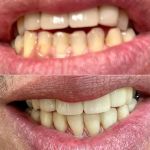 TK Dental Wayne, NJ | General, Cosmetic, Restorative Dentists. Dental Implants, Crowns, Bridges | Tatyana Kaminar DDS4.0 (139 review)
 Dr. Amy James & Associates Orthodontists4.0 (179 review)
 Springdale Family Dental4.0 (54 review)
 The Importance of Oral Health Education During Pregnancy for a Healthy Pregnancy
 Best Tips for Brushing Your Teeth Properly for Healthy Gums: Essential Techniques for Oral Health
 Why Skipping Dental Checkups Can Lead to Bigger Oral Health Problems
 Advantages of Porcelain Dental Restorations
 How Can Diabetes Cause Tooth and Gum Problems? Preventing and Managing Oral Health Issues
 Healthy Habits for Promoting Good Oral Health and Hygiene: Tips for a Healthy Smile