
Understanding Oral Temperature Measurement
Taking a person’s temperature orally is one of the most common and convenient methods for monitoring health, especially when checking for fever. The mouth provides an accessible and relatively stable environment to gauge body temperature, making oral temperature measurement a preferred choice in many homes and healthcare settings in the United States.
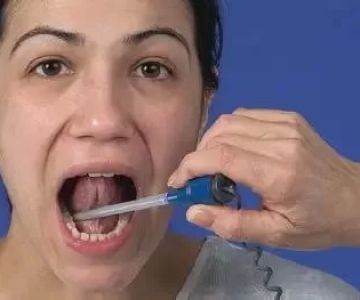
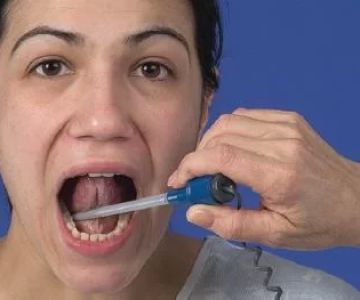
Oral temperature is measured by placing a thermometer under the tongue, where it detects the heat emitted by blood vessels in the mouth. This method offers reliable readings if done correctly, but accuracy depends on several factors such as recent eating, drinking, or smoking, which can affect results.
Choosing the Right Thermometer for Oral Use
Modern digital thermometers are widely recommended for oral temperature measurement due to their speed, safety, and accuracy. Unlike traditional mercury thermometers, digital ones provide quick readings and reduce the risk of breakage or exposure to hazardous substances.
Other types such as disposable oral thermometers and infrared oral thermometers are also available, but the digital thermometer remains the standard for home use. When selecting a thermometer, ensure it is labeled safe for oral use and follow the manufacturer’s instructions carefully.
Step-by-Step Guide to Checking Temperature Orally
1. Prepare the Thermometer: Clean the thermometer with rubbing alcohol or warm soapy water before use to avoid contamination.
2. Positioning: Place the thermometer under the tongue toward the back of the mouth. Instruct the person to close their lips gently around it without biting.
3. Timing: Keep the thermometer in place for the time recommended by the manufacturer, usually about 30 to 60 seconds until the beep indicates the reading is complete.
4. Reading the Temperature: Remove the thermometer and read the displayed temperature. Record the result and clean the device again.
5. Avoid Interference: For 15-30 minutes before taking an oral temperature, avoid eating, drinking, smoking, or exercising to prevent inaccurate readings.
Common Mistakes and How to Avoid Them
One frequent error is taking oral temperature immediately after consuming hot or cold food or drinks, which can temporarily raise or lower the reading. It’s best to wait at least 15 minutes after such activities.
Another mistake is improper placement of the thermometer. The device should be positioned under the tongue and not in front, as front placement can give falsely low readings.
Also, ensure the person remains still and keeps their mouth closed during measurement to maintain accuracy.
Interpreting Oral Temperature Readings
Normal oral body temperature typically ranges from 97.6°F to 99.6°F (36.4°C to 37.6°C). A temperature above 100.4°F (38°C) usually indicates a fever.
Keep in mind that oral temperatures can vary slightly depending on the individual and time of day. Persistent high temperatures warrant consultation with a healthcare provider.
Oral Temperature Measurement for Children and Special Considerations
Oral temperature checking can be done safely with older children, typically those aged 4 and above, who can understand how to keep the thermometer correctly positioned.
For younger children and infants, other methods such as rectal or tympanic (ear) thermometers are usually recommended for more reliable readings.
Always supervise children when using an oral thermometer to ensure safe and correct usage.
Real-Life Scenario: The Importance of Accurate Oral Temperature Checking
Consider the story of Sarah, a mother in Texas, who detected her child’s rising fever early by carefully using an oral digital thermometer. Because she avoided common pitfalls like measuring immediately after a cold drink, she obtained an accurate reading, allowing timely medical attention. Such experiences highlight the value of mastering proper oral temperature measurement.
Enhancing Your Health Monitoring Routine
Learning how to check temperature orally correctly enhances health monitoring at home, especially during flu seasons or illness outbreaks. Having a reliable digital oral thermometer and knowing the proper technique ensures you get trustworthy readings for better health decisions.
For those seeking additional health tools and expert advice, visit Dentistry Toothtruth to discover reliable products and resources tailored to your health needs.

 Maya Dental3.0 (6 review)
 Providence Dental Spa4.0 (193 review)
 Children’s Dental FunZone - Pediatric Dentist & Orthodontist - Colton4.0 (26 review)
 Bluff Creek Dental4.0 (221 review)
 Dr. Amy James & Associates Orthodontists4.0 (179 review)
 All Family Dental and Braces4.0 (689 review)
 The Importance of Oral Health Education During Pregnancy for a Healthy Pregnancy
 Best Tips for Brushing Your Teeth Properly for Healthy Gums: Essential Techniques for Oral Health
 Why Skipping Dental Checkups Can Lead to Bigger Oral Health Problems
 Advantages of Porcelain Dental Restorations
 How Can Diabetes Cause Tooth and Gum Problems? Preventing and Managing Oral Health Issues
 Healthy Habits for Promoting Good Oral Health and Hygiene: Tips for a Healthy Smile