
Understanding the Importance of Checking Oral Temperature
Monitoring body temperature is a fundamental aspect of health care, especially when dealing with illnesses or infections. Oral temperature measurement is one of the most common methods used in homes and clinics across the United States. Using a digital thermometer to check oral temperature offers fast, accurate, and hygienic readings that help you quickly assess whether a fever is present.
Unlike traditional mercury thermometers, digital oral thermometers provide a safer and more user-friendly option. Understanding how to check oral temperature digital effectively can help you get the most reliable results for yourself and your family.
1. Why Oral Temperature Measurement Matters
The mouth provides a stable environment that reflects the body’s core temperature quite accurately. Oral temperature readings are especially useful because they are easy to perform and less invasive compared to rectal or ear thermometers. However, certain factors such as recent eating, drinking, or mouth breathing can affect the reading, so it’s important to follow proper steps.
2. Choosing the Right Digital Oral Thermometer
When selecting a digital thermometer for oral use, look for models with these key features:
- Fast reading times: Most modern digital thermometers give results within 10-30 seconds.
- Easy-to-read display: A clear LCD screen helps avoid misreading temperatures.
- Memory function: Some thermometers store previous readings for tracking changes over time.
- Water resistance: Useful for easy cleaning and disinfecting.
Brands with FDA approval and good customer reviews typically offer the best balance of reliability and usability.
Step-by-Step Guide on How to Check Oral Temperature Using a Digital Thermometer
To ensure accuracy and safety, follow these detailed steps for taking an oral temperature:
1. Prepare the Thermometer
Start by cleaning the tip of the digital thermometer with rubbing alcohol or warm soapy water, then rinse it thoroughly. Turn the device on and wait for the ready signal, often a beep or display prompt.
2. Position the Thermometer Correctly
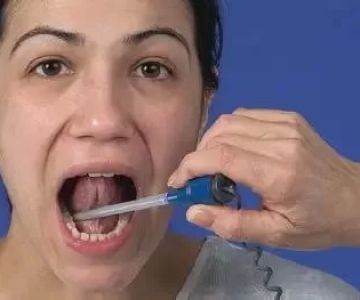
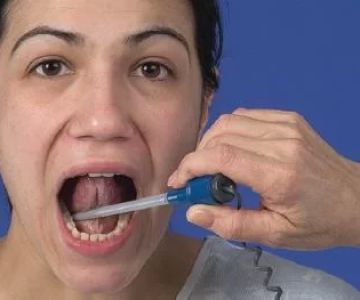
Place the thermometer’s tip under the tongue, toward the back but to one side, inside the mouth. It’s important to keep the lips closed gently around the thermometer to trap heat and get an accurate reading.
3. Wait for the Reading
Keep the thermometer steady in place without biting or talking. Most devices will beep once the reading is complete, typically within half a minute.
4. Read and Record the Temperature
Check the displayed temperature carefully. Normal oral body temperature usually ranges from 97.6°F to 99.6°F (36.5°C to 37.5°C), though individual variations exist. If you see a temperature over 100.4°F (38°C), this usually indicates a fever.
5. Clean the Thermometer Again
Disinfect the thermometer tip after use to prevent spreading germs, especially if multiple people use the device.
Common Mistakes to Avoid When Checking Oral Temperature
Even though checking oral temperature is straightforward, some common pitfalls can reduce accuracy:
1. Taking Temperature Immediately After Eating or Drinking
Hot or cold beverages can temporarily alter mouth temperature, leading to false readings. Wait at least 15 minutes after eating or drinking before taking the temperature.
2. Improper Placement of Thermometer
Placing the thermometer too far forward or not under the tongue reduces contact with heat-producing tissues, resulting in inaccurate results.
3. Talking or Breathing Through the Mouth
Both actions cool the mouth and skew readings. Ensure the patient remains silent with a closed mouth during measurement.
Real-Life Story: How Accurate Oral Temperature Checking Helped Detect Early Illness
Sarah, a mother of two from Texas, recalls how learning how to check oral temperature digital saved her son’s health last winter. When her son complained of mild fatigue, she took his temperature with a digital oral thermometer and noted a slight fever. Acting quickly, she sought medical advice and caught the flu early before it worsened. This experience made Sarah realize how crucial proper temperature checking is in managing health, especially for children.
Tips for Maintaining and Using Your Digital Oral Thermometer
To ensure long-lasting, reliable performance from your thermometer, consider these maintenance tips:
1. Store Properly
Keep the thermometer in a protective case to prevent damage and contamination.
2. Replace Batteries Timely
A weak battery can cause slow or inaccurate readings. Regularly check and replace batteries as needed.
3. Avoid Extreme Temperatures
Do not expose the thermometer to very hot or cold conditions which can damage internal sensors.
When to Seek Medical Attention Based on Oral Temperature Readings
Knowing when a temperature reading requires professional care is vital. Seek immediate medical help if:
- Oral temperature is above 103°F (39.4°C) in adults or children
- Fever persists for more than three days
- Accompanied symptoms include severe headache, rash, difficulty breathing, or confusion
For infants and elderly individuals, err on the side of caution and consult a healthcare provider promptly.
Where to Find Reliable Digital Oral Thermometers and Professional Advice
If you’re searching for high-quality digital thermometers and expert guidance, consider visiting Dentistry Toothtruth. Their professional recommendations and trusted products help you maintain optimal health at home. Equipped with the right tools and knowledge, checking oral temperature digitally becomes an easy and effective part of your health routine.


 Westbury Dental Spa4.0 (376 review)
 Lawndale Christian Health Center Dental Clinic2.0 (34 review)
 Pediatric Dentistry of Cape Coral4.0 (178 review)
 Farrow Orthodontics - Mt. Airy4.0 (682 review)
 Kelly Orthodontics5.0 (14 review)
 Dr. Kokila Punia4.0 (5 review)
 The Importance of Oral Health Education During Pregnancy for a Healthy Pregnancy
 Best Tips for Brushing Your Teeth Properly for Healthy Gums: Essential Techniques for Oral Health
 Why Skipping Dental Checkups Can Lead to Bigger Oral Health Problems
 Advantages of Porcelain Dental Restorations
 How Can Diabetes Cause Tooth and Gum Problems? Preventing and Managing Oral Health Issues
 Healthy Habits for Promoting Good Oral Health and Hygiene: Tips for a Healthy Smile