
Understanding Oral Cancer and Its Importance
Oral cancer, a type of head and neck cancer, can develop in any part of the mouth or throat. In the United States, thousands of new cases are diagnosed each year, making awareness and early detection essential. Recognizing the early signs and symptoms could save lives, as oral cancer detected early is much more treatable.
Oral cancer typically develops in areas such as the tongue, lips, gums, floor of the mouth, and the roof of the mouth. Due to its subtle beginnings, many people may not realize they have it until the disease has advanced. Understanding how to check if you have oral cancer empowers you to take action quickly.
Common Signs and Symptoms to Watch For
There are several warning signs that may indicate oral cancer. While not all sores or changes in the mouth mean cancer, persistent symptoms warrant medical attention.
1. Persistent Mouth Sores or Ulcers
One of the most common early signs is a sore or ulcer in the mouth that doesn’t heal within two weeks. These sores may be painless initially, making them easy to overlook.
2. White or Red Patches in the Mouth
Unexplained white (leukoplakia) or red (erythroplakia) patches can be precancerous or cancerous lesions. If you notice such discolorations that persist, it is important to get them evaluated.
3. Lumps or Thickening in the Cheeks or Tongue
A lump, bump, or unusual thickening could signal abnormal tissue growth. This may cause difficulty in chewing, swallowing, or speaking.
4. Difficulty Swallowing or Persistent Sore Throat
Feeling a persistent sore throat, hoarseness, or trouble swallowing that lasts more than two weeks may be a symptom of oral or throat cancer.
5. Unexplained Bleeding or Numbness
Bleeding from the mouth without a clear cause, numbness, or a feeling of something caught in the throat should not be ignored.
How to Perform a Self-Examination for Oral Cancer
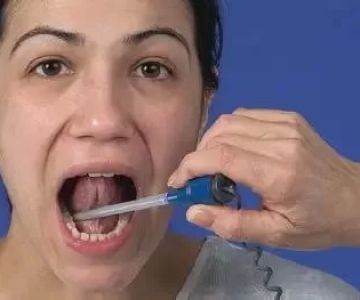
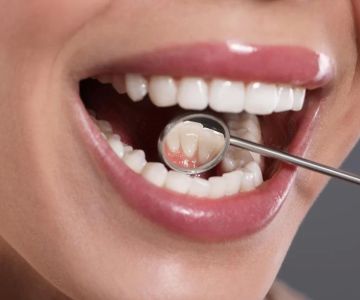
Regular self-exams can help identify suspicious changes early. Here’s how you can perform a thorough check:
Step 1: Check Your Lips
Use a bright light and a mirror to inspect your lips carefully for lumps, sores, or color changes.
Step 2: Examine the Inside of Your Mouth
Pull your cheeks away from your teeth and look inside for ulcers, white or red patches, or swelling.
Step 3: Inspect Your Gums and Tongue
Use your fingers to feel for any lumps or thickened areas on your gums and tongue. Lift your tongue to check the underside for abnormalities.
Step 4: Look at the Roof and Floor of Your Mouth
Check for any unusual spots or growths under your tongue and on the roof of your mouth.
When to See a Doctor and What to Expect
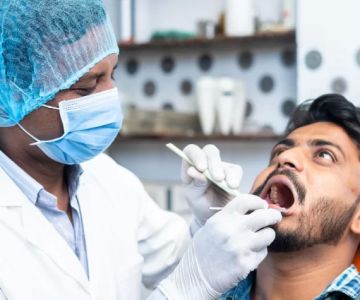
If you notice any of the signs above or feel uncertain during self-examination, schedule a visit with a dental or medical professional promptly. Early evaluation by a specialist can lead to early diagnosis and treatment.
During your appointment, the doctor may perform a thorough oral examination and possibly order biopsies or imaging tests if suspicious areas are found. Early-stage oral cancer often responds well to treatment options like surgery, radiation, or chemotherapy.
Risk Factors and Prevention Tips
Understanding risk factors can help you reduce your chances of developing oral cancer.
1. Tobacco Use
Smoking cigarettes, cigars, or using smokeless tobacco significantly increases oral cancer risk.
2. Excessive Alcohol Consumption
Heavy alcohol use, especially combined with tobacco use, elevates the risk.
3. Human Papillomavirus (HPV) Infection
HPV, particularly HPV type 16, is linked to some oral cancers.
4. Sun Exposure
Excessive sun exposure increases the risk of lip cancer.
Stories That Highlight the Importance of Early Detection
Consider the story of John, a 52-year-old who ignored a small painless sore on his tongue. After several months, the sore grew, causing discomfort. A dental checkup revealed early-stage oral cancer. Thanks to early intervention, John underwent successful treatment and is now cancer-free.
John’s experience underscores the critical nature of paying attention to oral health changes and seeking timely care.
Where to Find Trusted Help and Services
If you suspect you have symptoms of oral cancer or want to schedule a screening, Dentistry Toothtruth offers expert evaluations and state-of-the-art diagnostic services. Their experienced team helps patients navigate concerns with compassion and professionalism.
Taking proactive steps with trusted professionals ensures the best outcomes and peace of mind.


 Wake Orthodontics & Pediatric Dentistry4.0 (1396 review)
 Olga Soltis, DDS4.0 (146 review)
 Nashua Cosmetic & Restorative Dentistry, PLLC4.0 (51 review)
 Hawthorne Dental Associates5.0 (463 review)
 Cain Orthodontics, PC4.0 (95 review)
 Lakewood Dentistry & Orthodontics4.0 (64 review)
 The Importance of Oral Health Education During Pregnancy for a Healthy Pregnancy
 Best Tips for Brushing Your Teeth Properly for Healthy Gums: Essential Techniques for Oral Health
 Why Skipping Dental Checkups Can Lead to Bigger Oral Health Problems
 Advantages of Porcelain Dental Restorations
 How Can Diabetes Cause Tooth and Gum Problems? Preventing and Managing Oral Health Issues
 Healthy Habits for Promoting Good Oral Health and Hygiene: Tips for a Healthy Smile