
How to Avoid Tooth Wear Caused by Bite Issues: Expert Tips and Solutions
- What Are Bite Issues and How Do They Cause Tooth Wear?
- Symptoms of Tooth Wear Due to Bite Problems
- Preventing Tooth Wear: Key Steps You Can Take
- Bite Correction Treatments for Tooth Wear
- Real-Life Examples: How Bite Adjustments Helped Prevent Tooth Wear
- Why Choose Dentistry Toothtruth for Your Bite Issues and Tooth Wear Solutions
What Are Bite Issues and How Do They Cause Tooth Wear?
Bite issues, also known as malocclusion, occur when your teeth do not align properly when you close your mouth. These misalignments can lead to several problems, including tooth wear. The two main types of bite issues are:
1. Overbite
An overbite happens when the upper teeth overlap the lower teeth too much. This can cause excessive pressure on the back teeth, leading to enamel wear over time.
2. Underbite
An underbite is the opposite of an overbite. It occurs when the lower teeth protrude beyond the upper teeth, causing uneven pressure on the teeth and contributing to tooth wear.
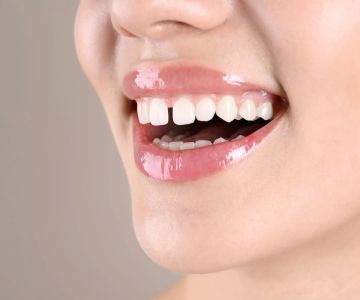
Other bite issues, like crossbites and open bites, can also result in unnatural pressure on the teeth, leading to gradual erosion of the enamel, which is crucial for protecting your teeth from decay and damage.
Symptoms of Tooth Wear Due to Bite Problems
Tooth wear caused by bite issues may not always be immediately noticeable. However, there are several signs that can indicate that your bite is affecting the health of your teeth:
1. Tooth Sensitivity
If your teeth become more sensitive to hot, cold, or sweet foods, it could be a sign of enamel erosion due to abnormal bite pressure.
2. Chipped or Flattened Teeth
Teeth that show signs of chipping or flattening could indicate excessive wear, often caused by misaligned bite forces.
3. Jaw Pain and Headaches
If you experience frequent jaw pain or headaches, it could be due to grinding your teeth (bruxism) at night, a common side effect of bite problems.
4. Uneven Wear Patterns
Pay attention to any uneven wear on your teeth. This can occur if your bite is not balanced, leading to one side of your teeth bearing more pressure than the other.
Preventing Tooth Wear: Key Steps You Can Take
While bite issues may be difficult to correct on your own, there are several steps you can take to minimize the risk of tooth wear:
1. Use a Night Guard
If you suffer from bruxism (teeth grinding) caused by a misaligned bite, wearing a night guard can protect your teeth from excessive wear while you sleep. A night guard is a custom-fitted appliance that covers your teeth and prevents grinding.
2. Address Your Bite Issue with Orthodontics
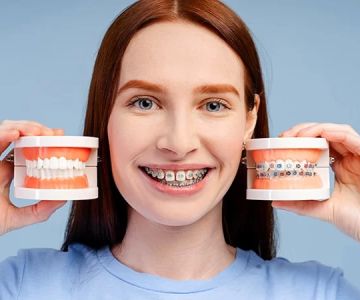
Orthodontic treatments, such as braces or Invisalign, are effective ways to correct bite problems. By realigning the teeth, these treatments reduce the abnormal pressure on your teeth, thereby preventing wear and tear.
3. Practice Good Oral Hygiene
Maintaining good oral hygiene, including regular brushing and flossing, can help protect your enamel from additional damage. Using toothpaste with fluoride strengthens the enamel, making it more resistant to wear.
4. Avoid Hard Foods
Hard and crunchy foods can exacerbate tooth wear, especially if your bite is already misaligned. Be mindful of your diet and avoid foods that place excessive pressure on your teeth.
Bite Correction Treatments for Tooth Wear
If you have been diagnosed with bite issues, seeking treatment is crucial to preventing further damage to your teeth. Some of the most common treatments include:
1. Braces
Braces are a tried-and-true method for correcting bite problems. They slowly shift the teeth into their proper positions, reducing the risk of tooth wear caused by misalignment.
2. Invisalign
For those who prefer a more discreet option, Invisalign offers clear aligners that straighten the teeth without the need for traditional metal braces. Invisalign is highly effective for treating bite issues and preventing further enamel wear.
3. Bite Splints
Bite splints are custom-fitted appliances that help correct bite issues and reduce the effects of bruxism. They are typically worn at night to prevent teeth grinding.
Real-Life Examples: How Bite Adjustments Helped Prevent Tooth Wear
Many patients have experienced significant improvements in their oral health after addressing bite issues. For example:
1. Sarah's Success with Braces
Sarah, a 30-year-old woman, had been struggling with a severe overbite for years. Her teeth showed signs of excessive wear, and she was constantly dealing with jaw pain. After undergoing orthodontic treatment with braces, Sarah's bite was corrected, and the wear on her teeth stopped. She also noticed a reduction in her jaw pain and headaches.
2. John's Relief from Bruxism with a Night Guard
John, a 45-year-old man, had been grinding his teeth at night for years due to a misaligned bite. As a result, his teeth had become flattened and worn. After consulting with a dentist, John was fitted with a custom night guard. The device helped protect his teeth from further wear, and he no longer wakes up with jaw pain or headaches.
Why Choose Dentistry Toothtruth for Your Bite Issues and Tooth Wear Solutions
At Dentistry Toothtruth, we specialize in diagnosing and treating bite issues that lead to tooth wear. Our team of expert dentists offers personalized treatment plans, including orthodontics, night guards, and bite splints, to help you maintain a healthy, beautiful smile.
If you're experiencing tooth wear caused by bite problems, it's time to take action. Visit Dentistry Toothtruth to schedule a consultation and learn how we can help you preserve your teeth and prevent further damage.

 Flanders Pediatric Dentistry4.0 (210 review)
 Culver Marina Dental Group4.0 (256 review)
 Orlando Family Dentistry, LLC5.0 (16 review)
 Central Avenue Dental Care4.0 (282 review)
 Mansolillo Jeffrey B D.M.D5.0 (459 review)
 Nu Smile Aligner5.0 (1 review)
 The Importance of Oral Health Education During Pregnancy for a Healthy Pregnancy
 Best Tips for Brushing Your Teeth Properly for Healthy Gums: Essential Techniques for Oral Health
 Why Skipping Dental Checkups Can Lead to Bigger Oral Health Problems
 Advantages of Porcelain Dental Restorations
 How Can Diabetes Cause Tooth and Gum Problems? Preventing and Managing Oral Health Issues
 Healthy Habits for Promoting Good Oral Health and Hygiene: Tips for a Healthy Smile