
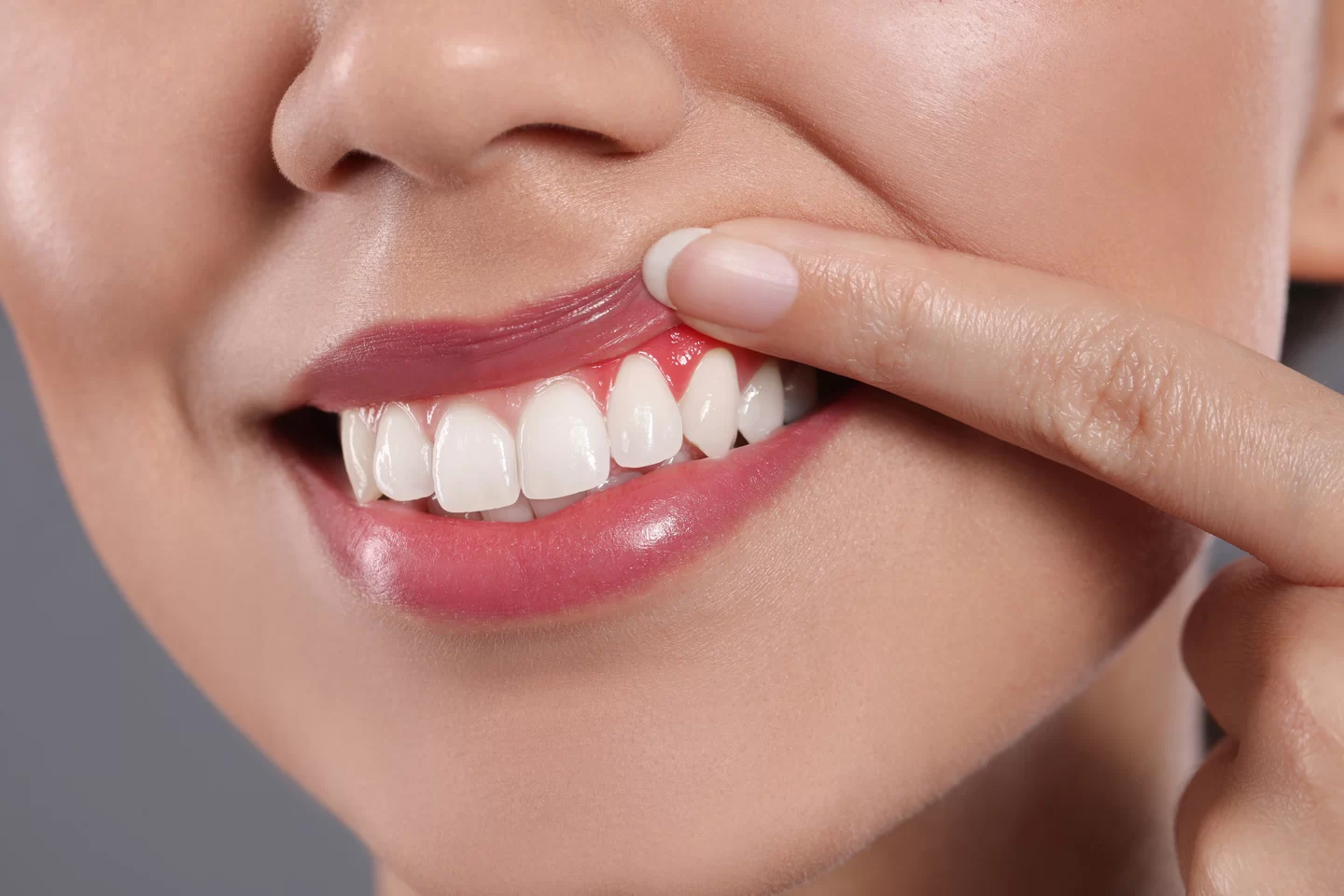
How to Avoid Gum Disease After Tooth Extraction: Essential Post-Surgery Care Tips
- 1. Introduction: Understanding the Risks After Tooth Extraction
- 2. Why Gum Disease Can Occur After Tooth Extraction
- 3. Best Practices for Oral Care After Tooth Extraction
- 4. How to Spot Gum Disease After Tooth Extraction
- 5. Tips for Accelerating Healing and Avoiding Gum Infections
- 6. Maintaining Long-Term Gum Health After a Tooth Extraction
1. Introduction: Understanding the Risks After Tooth Extraction
Tooth extraction is a common dental procedure, but like any surgery, it requires proper care afterward to avoid complications. One of the risks that many patients face after a tooth extraction is gum disease. Whether the extraction is due to infection, injury, or overcrowding, ensuring your gums heal properly is crucial to prevent further dental problems. In this article, we’ll cover how to avoid gum disease after tooth extraction and provide you with essential post-surgery care tips.
2. Why Gum Disease Can Occur After Tooth Extraction
Gum disease after tooth extraction typically arises due to improper care during the recovery process. Some factors that can contribute to gum disease or infection after extraction include:
- Inadequate oral hygiene: Failing to maintain proper oral hygiene after the extraction can lead to bacterial buildup in the mouth, which can infect the gums.
- Dry socket: If the blood clot that forms in the extraction site is dislodged, it can lead to dry socket, which can increase the risk of infection and gum disease.
- Improper care of the extraction site: Ignoring the aftercare instructions provided by your dentist, such as avoiding certain foods or behaviors, can cause the gums to become irritated or infected.
- Weakened immune system: Individuals with compromised immune systems may be at a higher risk for infections, including gum disease, after an extraction.
To avoid these risks, it’s crucial to follow your dentist’s recommendations closely and take proactive steps to protect your gums during the healing process.
3. Best Practices for Oral Care After Tooth Extraction
To keep your gums healthy and avoid gum disease after tooth extraction, maintaining proper oral hygiene is vital. Here are the best practices you should follow:
- Gentle Brushing: After the first 24 hours, gently brush your teeth, but avoid brushing directly over the extraction site. Use a soft-bristled toothbrush to prevent irritation.
- Saltwater Rinses: After the first 24 hours, rinse your mouth with warm saltwater to reduce bacteria and promote healing. Do this 2-3 times a day, especially after meals.
- Avoid Alcohol and Tobacco: Smoking or consuming alcohol can hinder the healing process and increase your risk of developing infections or gum disease.
- Stay Hydrated: Drink plenty of water to keep your mouth moist and encourage healing, but avoid using a straw, as the suction can disturb the blood clot.
These steps help reduce the chance of infection and promote faster recovery while keeping your gums safe from disease.
4. How to Spot Gum Disease After Tooth Extraction
While following proper care instructions significantly lowers the risk of gum disease, it’s important to know the signs so that you can take prompt action if needed. Some common symptoms of gum disease after a tooth extraction include:
- Swelling or redness: If the gums become increasingly swollen or red around the extraction site, it may be a sign of infection or gum disease.
- Persistent pain: Pain that worsens instead of improving may indicate an infection or gum disease.
- Pus or discharge: The presence of pus or any unusual discharge from the extraction site is a clear sign of infection.
- Bad breath: Foul-smelling breath can be a sign of an infection or gum disease developing in the extraction area.
If you notice any of these symptoms, it’s essential to contact your dentist immediately to prevent further complications.
5. Tips for Accelerating Healing and Avoiding Gum Infections
Speeding up the healing process can help you avoid complications like gum disease. Here are some additional tips to promote healing and prevent infections:
- Follow your dentist's post-extraction instructions: Make sure to carefully follow any guidelines provided by your dentist for the first few days, such as what foods to avoid and how to care for the extraction site.
- Use ice packs: If swelling occurs, use an ice pack on the outside of your cheek to reduce inflammation and minimize discomfort.
- Eat soft foods: During the initial healing period, stick to soft foods that won't irritate the extraction site or require heavy chewing.
- Take prescribed medications: If your dentist prescribes antibiotics or pain medication, take them as directed to prevent infection and manage discomfort.
By following these steps, you can reduce the risk of infection and help your gums heal quickly and properly.
6. Maintaining Long-Term Gum Health After a Tooth Extraction
Once your extraction site has healed, maintaining long-term gum health is essential to avoid future dental problems, including gum disease. Here are some strategies for keeping your gums healthy after recovery:
- Regular dental check-ups: Even after healing, continue to see your dentist regularly to ensure your gums are healthy and free from disease.
- Healthy lifestyle: Eat a balanced diet rich in nutrients that promote gum health, including vitamins C and D, and avoid sugary foods that can promote plaque buildup.
- Proper oral hygiene: Brush your teeth twice a day, floss daily, and use mouthwash to maintain a clean mouth and prevent gum disease.
- Manage stress: High levels of stress can weaken the immune system, making you more susceptible to infections, including gum disease.
By following these practices, you can maintain healthy gums for years to come and avoid the development of gum disease post-extraction.
If you're looking for more expert dental advice on how to avoid gum disease after tooth extraction, visit Dentistry Toothtruth for helpful tips and resources to support your oral health.






 Dental Solutions of Roxborough4.0 (219 review)
 Town Dental - Excelsior4.0 (52 review)
 Dr. Kimmy4.0 (111 review)
 Buttacavoli Dental Arts5.0 (16 review)
 Metro Dentalcare West St. Paul4.0 (125 review)
 Corona Hills Modern Dentistry and Orthodontics4.0 (137 review)
 The Importance of Oral Health Education During Pregnancy for a Healthy Pregnancy
 Best Tips for Brushing Your Teeth Properly for Healthy Gums: Essential Techniques for Oral Health
 Why Skipping Dental Checkups Can Lead to Bigger Oral Health Problems
 Advantages of Porcelain Dental Restorations
 How Can Diabetes Cause Tooth and Gum Problems? Preventing and Managing Oral Health Issues
 Healthy Habits for Promoting Good Oral Health and Hygiene: Tips for a Healthy Smile