
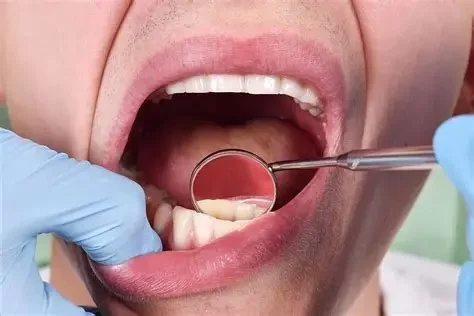
How to Assess for Oral Cancer in Dental Hygiene Exams
Oral cancer is often overlooked because its early signs can seem harmless—like a small sore or mild irritation. Yet catching it early can be life-saving. Dental hygienists play a vital role in oral cancer assessments, as they see patients regularly and are trained to identify concerning changes inside the mouth. A simple screening at your cleaning appointment can help detect abnormalities long before symptoms become severe.
Why Oral Cancer Screening Matters
Every year, thousands of Americans are diagnosed with oral or oropharyngeal cancer. Many of those cases could have been detected sooner during a routine dental hygiene visit. Early detection dramatically increases survival rates and leads to less aggressive treatment.
Most patients assume a dental cleaning is only about teeth whitening and tartar removal. But behind the scenes, your hygienist is checking soft tissues, glands, and lymph nodes for red flags. It’s a quiet but powerful line of defense.
1. Understanding Who Is at Risk
Some people believe oral cancer only affects smokers—but the reality is more complex. While tobacco use remains a major risk factor, others include:
• Human papillomavirus (HPV), especially HPV-16
• Excessive alcohol consumption
• Prolonged sun exposure (lip cancer)
• Family history of cancer
• Age over 40, though HPV has increased cases in younger adults
Even healthy individuals can face risk, which is why screenings are essential for everyone.
Key Steps in a Comprehensive Oral Cancer Assessment
A total oral cancer check takes only a few minutes and is painless. Yet each step is highly structured to ensure nothing is missed.
2. Visual Examination of All Soft Tissue Areas
The dental hygienist carefully inspects the lips, tongue, inner cheeks, gums, hard and soft palate, and throat. They look for warning signs such as:
• White patches (leukoplakia)
• Red patches (erythroplakia)
• Lumps, bumps, or thickened tissue
• Persistent ulcers that do not heal
• Unexplained bleeding or numbness
Sometimes the first sign is extremely small—just a subtle change in tissue texture. That’s why the trained eye of a dental professional matters.
3. Palpation of the Neck and Jaw Area
Using gloved hands, the hygienist gently presses along the neck, under the jaw, and around lymph nodes. They assess for swelling, tenderness, firmness, or asymmetry, which can indicate deeper problems.
Many patients are surprised by this step, but enlarged lymph nodes can be one of the earliest symptoms of oral cancer spreading.
4. Tongue and Throat Evaluation
The tongue is one of the most frequent locations for oral cancer. The hygienist checks both sides, the underside, and the posterior region near the throat. They may ask you to say “ahh” to observe how structures in the back of the mouth move and look.
Any difficulty swallowing, chronic soreness, or a persistent feeling of something stuck in the throat are also important symptoms to report.
Symptoms Patients Should Watch For at Home
Between dental visits, it’s crucial to stay aware of changes in your mouth. Contact your dentist if you notice:
• A sore lasting longer than two weeks
• Difficulty speaking, chewing, or swallowing
• Voice changes or chronic hoarseness
• Jaw stiffness
• Unexplained weight loss
• Ear pain without ear infection
Patients sometimes ignore these issues because they seem mild—an “annoying sore” or “dry patch.” But catching abnormalities early can save your life.
Real Patient Experience: When a Hygienist Saved a Life
A 45-year-old patient named Mark visited his dental hygienist for a routine cleaning. He mentioned a small sore on his tongue that “just wouldn’t go away.” During his screening, the hygienist noticed the sore had irregular borders and a firm base—something worth investigating. She recommended a biopsy through his dentist.
The result: early-stage squamous cell carcinoma. Mark underwent treatment immediately and made a full recovery. Without that routine oral cancer assessment, he may not have discovered the condition until much later.
This real-world example underscores how essential dental hygiene screenings are—not just for clean teeth but for overall health and longevity.
Preventing Oral Cancer Through Healthy Habits
While some risk factors like genetics can’t be controlled, lifestyle adjustments can significantly reduce your odds:
• Stop smoking and avoid tobacco products
• Limit alcohol consumption
• Protect lips from sun exposure
• Maintain regular dental hygiene visits
• Consider HPV vaccination after professional guidance
• Eat a balanced diet rich in fruits and vegetables
Good oral care is more than brushing and flossing—it includes screening and proactive prevention to safeguard your health.
Why Routine Dental Hygiene Visits Matter
Oral cancer screenings are standard at many dental practices in the United States. If it’s been longer than six months since your last hygiene appointment, now is the time to get back on track. A few minutes in a dental chair could make the difference between early diagnosis and a dangerous delay.
For professional care, guidance, and compassion, check services from Family Dentistry Online to ensure you’re receiving the most thorough screenings available.


 Grand Avenue Dental5.0 (571 review)
 Palo Alto Orthodontics5.0 (249 review)
 Sweet City Smiles5.0 (513 review)
 Doc Bresler's Cavity Busters4.0 (363 review)
 Brick Dental Studio4.0 (101 review)
 Tri City Endodontics5.0 (4 review)
 The Importance of Oral Health Education During Pregnancy for a Healthy Pregnancy
 Best Tips for Brushing Your Teeth Properly for Healthy Gums: Essential Techniques for Oral Health
 Why Skipping Dental Checkups Can Lead to Bigger Oral Health Problems
 Advantages of Porcelain Dental Restorations
 How Can Diabetes Cause Tooth and Gum Problems? Preventing and Managing Oral Health Issues
 Healthy Habits for Promoting Good Oral Health and Hygiene: Tips for a Healthy Smile