
Maintaining oral health is a crucial aspect of overall well-being, yet many people often overlook the importance of regular dental check-ups. In the United States, where dental care is readily available, understanding how often one should visit the dentist can significantly impact not only oral health but also general health. Regular dental check-ups can prevent minor issues from becoming major problems, and ensure that your smile remains healthy and bright.
The Ideal Frequency for Dental Visits
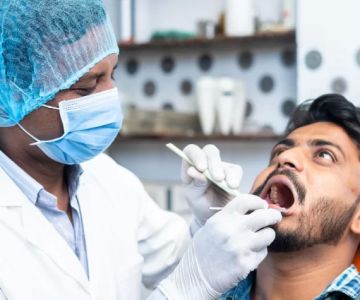
Many experts, including the American Dental Association (ADA), recommend that individuals should visit the dentist at least twice a year. This recommendation serves as a general rule of thumb to ensure that any potential issues are caught early. Regular dental visits allow dentists to perform thorough exams and professional cleanings that go beyond the capabilities of at-home oral care routines.
While bi-annual visits are ideal for most people, certain groups might require more frequent check-ups. For example, patients with periodontitis, those undergoing orthodontic treatments, or individuals with certain medical conditions might need to see their dentist every three to four months. Tailoring the frequency of visits to individual needs is crucial to optimizing dental care.
Benefits of Regular Dental Check-Ups
Regular dental check-ups are not just about keeping cavities at bay. One significant benefit is the early detection of oral issues such as gum disease, oral cancer, and tooth decay. Early intervention often leads to simpler, less costly treatments and better prognoses.
During a regular check-up, your dentist can remove plaque and tartar, which brushing and flossing alone cannot eliminate. Professional cleanings, therefore, greatly reduce the risk of cavities and periodontal disease, contributing to better oral hygiene. Beyond physical health, maintaining good oral hygiene has psychological benefits, often leading to improved confidence and self-esteem due to a healthy, attractive smile.
Individual Risk Factors and Customizing Check-Up Frequency
Understanding individual risk factors is essential when determining how often to visit the dentist. High-risk individuals, such as smokers, diabetics, or those with a family history of oral diseases, may need more frequent visits. Personalized dental plans are becoming more common, allowing for flexibility based on lifestyle and medical history.
Your dentist will assess risk factors and recommend a personalized check-up schedule tailored to your needs. This customized approach ensures that preventive care aligns with specific health requirements, minimizing potential oral health risks. Engaging in open conversations with your dentist about your oral health and lifestyle habits is vital in crafting a suitable plan.
Overcoming Barriers to Regular Dental Visits
Despite recommendations, several barriers can deter individuals from visiting the dentist regularly. Cost, fear, and time constraints are among the most common. Dental insurance coverage in the U.S. may vary significantly, affecting access to routine dental care. However, preventive care, like regular check-ups, often proves to be cost-effective in the long run by reducing the need for extensive treatments.
Addressing dental fear involves open communication with your dental care provider. Many practices, including Dentistry Toothtruth, offer anxiety-reducing options such as sedation dentistry. Additionally, setting a standing routine and collaborating with your employer or school to accommodate appointments can ease time-related concerns.
Conclusion: Taking Action for Healthier Smiles
In conclusion, regular dental check-ups play a fundamental role in maintaining optimal oral health. Tailored check-up frequencies based on personal needs and risk factors can ensure that oral issues are identified and addressed promptly. Overcoming any barriers to these essential visits is crucial for long-term dental health.
For those questioning when to schedule their next dental visit, remember: preventative care is key. Don't hesitate to consult with your dentist about the best schedule for you and take full advantage of the resources available at Dentistry Toothtruth. Prioritizing regular check-ups is an investment in your health and well-being, ensuring your smile lasts a lifetime.


 Engel Neil R DDS5.0 (7 review)
 Children's Dental FunZone - Pediatric Dentist & Orthodontist - Eagle Rock4.0 (1768 review)
 Saluté Dental - Woodbury5.0 (1513 review)
 Desert Peaks Dental4.0 (475 review)
 Dr. George Diaz, DDS5.0 (91 review)
 Ananian Dental Group4.0 (29 review)
 The Importance of Oral Health Education During Pregnancy for a Healthy Pregnancy
 Best Tips for Brushing Your Teeth Properly for Healthy Gums: Essential Techniques for Oral Health
 Why Skipping Dental Checkups Can Lead to Bigger Oral Health Problems
 Advantages of Porcelain Dental Restorations
 How Can Diabetes Cause Tooth and Gum Problems? Preventing and Managing Oral Health Issues
 Healthy Habits for Promoting Good Oral Health and Hygiene: Tips for a Healthy Smile