
How Often Should You Schedule Dental Checkups for Optimal Oral Health?
- Why Are Frequent Dental Checkups Crucial?
- What Is the Ideal Frequency for Dental Checkups?
- The Benefits of Regular Dental Visits
- Real-Life Examples and Case Studies
Why Are Frequent Dental Checkups Crucial?
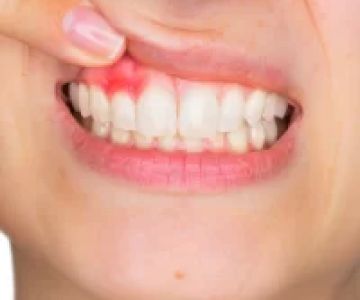
Regular dental checkups are essential for maintaining good oral health. Even if you brush and floss daily, your dentist is trained to detect early signs of problems that may not be visible to you. These issues include cavities, gum disease, and oral cancer. Additionally, early intervention can save you from expensive and painful procedures in the future.
According to the American Dental Association (ADA), most people should visit their dentist at least twice a year for checkups. However, certain conditions may require more frequent visits, such as gum disease or a history of dental issues. It’s important to listen to your dentist’s advice about your specific needs.
What Is the Ideal Frequency for Dental Checkups?
The general recommendation is to schedule a dental checkup every six months. This timeline ensures that your dentist can monitor any changes in your oral health, keep your teeth clean, and provide early treatment if necessary. However, some individuals may need checkups more frequently.
For example, people with a higher risk of dental problems, such as those with diabetes or smokers, may be advised to visit their dentist every three to four months. These individuals are more prone to gum disease and other oral health issues that require closer monitoring.
The Benefits of Regular Dental Visits
Visiting the dentist regularly has many benefits beyond just clean teeth. These include:
- Early Detection of Issues: Dentists can catch early signs of tooth decay, gum disease, and even oral cancer.
- Professional Cleaning: Regular cleanings remove plaque and tartar buildup that cannot be eliminated by brushing alone.
- Improved Overall Health: Oral health is linked to overall health. Regular dental visits can help reduce the risk of conditions like heart disease and stroke.
- Cost Savings: Preventive care is often less expensive than treating advanced dental problems.
Real-Life Examples and Case Studies
Consider the case of Sarah, a 32-year-old woman who neglected her dental checkups for several years. She only visited the dentist when she felt pain. By the time Sarah sought help, she needed a root canal and a crown to fix a severely decayed tooth. Had she been visiting the dentist every six months, the cavity could have been caught early and treated with a simple filling.
Another case is that of Mike, a 45-year-old smoker who followed his dentist’s recommendation for quarterly checkups. This proactive approach helped identify the early stages of gum disease, which was treated before it progressed. Mike’s gum health significantly improved, and he avoided tooth loss.
These real-life examples highlight the importance of sticking to regular dental checkups. Preventive visits can save you time, money, and discomfort in the long run.
To learn more about scheduling your next dental checkup and maintaining your oral health, visit Dentistry Toothtruth for professional advice and services.

 Dino M. DeFilippis, DDS4.0 (10 review)
 Rainier Dental4.0 (157 review)
 Grant Park Dental Group4.0 (365 review)
 SoCO Smiles Orthodontics4.0 (187 review)
 Leading Edge Oral Surgery Plainview4.0 (708 review)
 Aloha Dental Group4.0 (289 review)
 The Importance of Oral Health Education During Pregnancy for a Healthy Pregnancy
 Best Tips for Brushing Your Teeth Properly for Healthy Gums: Essential Techniques for Oral Health
 Why Skipping Dental Checkups Can Lead to Bigger Oral Health Problems
 Advantages of Porcelain Dental Restorations
 How Can Diabetes Cause Tooth and Gum Problems? Preventing and Managing Oral Health Issues
 Healthy Habits for Promoting Good Oral Health and Hygiene: Tips for a Healthy Smile