
How Often Oral Hygiene Should Be Done for Mechanical Ventilation Patients
When a patient is placed on mechanical ventilation, oral hygiene becomes more than a daily routine—it becomes a critical part of life-saving care. Patients relying on ventilators are at higher risk of infections such as ventilator-associated pneumonia (VAP). The simple act of keeping the mouth clean dramatically lowers this risk and improves comfort, making oral care a cornerstone of intensive care unit (ICU) protocols.
Why Oral Hygiene Matters for Ventilated Patients
The mouth is home to thousands of bacteria. In healthy individuals, brushing and rinsing help keep bacterial growth under control. However, for ventilated patients, bacteria can travel along the endotracheal tube and reach the lungs, leading to serious infections. Studies in U.S. hospitals have shown that consistent oral hygiene practices can significantly reduce cases of VAP, which remains one of the most common ICU complications. Proper oral care not only protects patients’ health but can shorten ICU stays and reduce healthcare costs.
How Often Should Oral Hygiene Be Performed?
Current evidence suggests that oral hygiene for mechanically ventilated patients should be performed every 2 to 4 hours, depending on hospital policy and patient condition. Most ICU protocols in the United States recommend at least twice-daily brushing with a soft toothbrush and frequent oral suctioning to remove secretions. Additionally, antiseptic solutions such as chlorhexidine are often used every 12 hours to help minimize bacterial buildup.
For example, in a 2022 case at a Texas medical center, patients who received oral care every 3 hours had significantly lower infection rates compared to those who only received care once or twice a day. This highlights how frequency directly influences patient outcomes.
Step-by-Step Practices for Effective Oral Care
Effective oral care in ventilated patients goes beyond brushing. Nurses and respiratory therapists follow a step-by-step approach that includes:
1. Suctioning of Oral Secretions
Before any cleaning, secretions are suctioned to prevent aspiration. This step is crucial because even small amounts of fluid can travel into the lungs.
2. Toothbrushing With Soft or Suction Toothbrushes
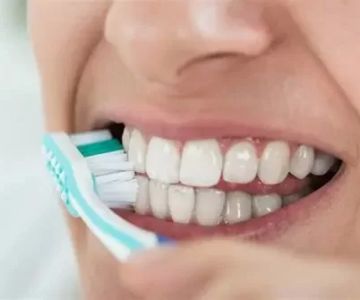
Using a soft toothbrush or specialized suction toothbrush, caregivers gently clean teeth and gums. This helps remove plaque and food particles while preventing gum disease, which can otherwise complicate overall health.
3. Application of Antimicrobial Rinse
Antiseptic solutions such as chlorhexidine are commonly applied to reduce harmful bacteria. While some patients cannot rinse and spit, the solution can be gently swabbed around the mouth using oral sponges.
4. Moisturizing Lips and Oral Tissues
Mechanical ventilation can cause dryness, leading to painful cracks or sores. Applying approved moisturizers helps maintain comfort and prevents further complications.
Stories from the ICU: Why Frequency Matters
One nurse in California recalled a patient who developed pneumonia after oral care was skipped during a busy night shift. The patient’s recovery time doubled, and the medical team reinforced stricter oral care schedules afterward. On the other hand, hospitals that implemented scheduled oral care every 3 hours reported noticeable declines in infection rates and improved patient comfort. These stories illustrate how something as routine as oral hygiene can change outcomes for critically ill patients.
The Role of Families and Dental Professionals
Families often ask what they can do when their loved ones are ventilated. While professional staff handle most of the oral hygiene, families can advocate for regular care and ensure their loved ones’ needs are met. Dental professionals also play an important role by educating ICU teams and recommending effective oral hygiene tools designed for critical care settings.
Accessing Professional Guidance
For those seeking professional recommendations, resources like Family Dentistry Online provide tailored guidance on oral care tools, antiseptics, and best practices for patients who may need specialized support. Partnering with dental experts ensures that both caregivers and patients receive reliable information backed by clinical evidence.

 Miracle Mile Comprehensive Dental Center4.0 (82 review)
 Midland Park Family Dentistry5.0 (447 review)
 Absolute Dental - Lake Mead4.0 (332 review)
 Brandon L. Cairo, DMD, PC5.0 (103 review)
 Desire Dental Care4.0 (257 review)
 Metro Smiles Gage Park2.0 (36 review)
 The Importance of Oral Health Education During Pregnancy for a Healthy Pregnancy
 Best Tips for Brushing Your Teeth Properly for Healthy Gums: Essential Techniques for Oral Health
 Why Skipping Dental Checkups Can Lead to Bigger Oral Health Problems
 Advantages of Porcelain Dental Restorations
 How Can Diabetes Cause Tooth and Gum Problems? Preventing and Managing Oral Health Issues
 Healthy Habits for Promoting Good Oral Health and Hygiene: Tips for a Healthy Smile