
How Long Do Dental Restorations Last? A Detailed Guide to Their Lifespan
- 1. Introduction to Dental Restorations
- 2. Factors Influencing the Lifespan of Dental Restorations
- 3. Common Types of Dental Restorations
- 4. Real-Life Case Study of Dental Restoration Longevity
- 5. Tips for Extending the Lifespan of Dental Restorations
- 6. Conclusion: How to Ensure Your Restoration Lasts
1. Introduction to Dental Restorations
Dental restorations are crucial for repairing or replacing damaged teeth. Whether you have a dental crown, filling, or implant, these solutions help restore your smile and protect your oral health. But how long do dental restorations last? The lifespan of these restorations can vary, depending on several factors. Understanding these factors can help you make informed decisions about your dental health.
2. Factors Influencing the Lifespan of Dental Restorations
Several factors determine how long your dental restoration will last. These include the type of restoration, the material used, the location of the restoration, your oral habits, and your overall oral health. For instance, dental implants tend to last longer than dental fillings or crowns due to their durable material and secure fit. The best way to maximize the lifespan of your restoration is to maintain excellent oral hygiene and avoid habits that can damage your teeth, such as grinding or biting hard foods.
3. Common Types of Dental Restorations
There are several types of dental restorations that vary in longevity. Here’s a breakdown:
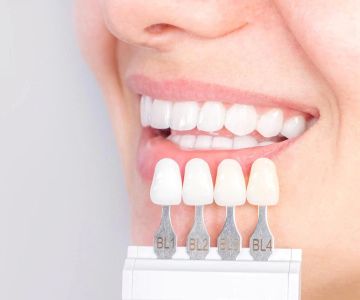
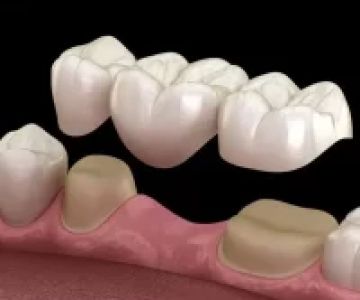
- Dental Crowns: Typically last 10-15 years with proper care. Crowns are made from porcelain, ceramic, or metal alloys and are often used to restore damaged teeth.
- Dental Implants: Can last 25 years or more. Implants are designed to replace missing teeth and provide a long-term solution when properly maintained.
- Dental Fillings: Can last 5-10 years. Fillings are used to restore cavities and are made from materials like amalgam, composite resins, or porcelain.
Each type of restoration comes with different care requirements, so it’s important to discuss with your dentist which option is best for your needs.
4. Real-Life Case Study of Dental Restoration Longevity
Consider Sarah, who received a dental implant several years ago. Despite being an active smoker, she took good care of her oral hygiene, visiting the dentist regularly. After 7 years, her implant is still in great condition. This example highlights that while lifestyle factors play a role in longevity, good oral hygiene and regular dentist visits are crucial in extending the life of restorations.
5. Tips for Extending the Lifespan of Dental Restorations
To ensure your dental restoration lasts as long as possible, follow these essential tips:
- Brush and floss daily to prevent plaque buildup.
- Visit your dentist regularly for check-ups and cleanings.
- Avoid grinding your teeth—consider a night guard if necessary.
- Limit sugary foods and drinks, which can cause decay.
- Be cautious with hard foods that may damage crowns or fillings.
By taking proactive steps, you can significantly extend the lifespan of your dental restoration and avoid costly repairs.
6. Conclusion: How to Ensure Your Restoration Lasts
In conclusion, dental restorations, including crowns, implants, and fillings, can provide long-lasting solutions for oral health. While the lifespan of these restorations varies, factors such as material choice, oral hygiene, and lifestyle habits play a significant role in determining their durability. Regular dental visits and proper care can ensure that your restoration lasts for many years.
If you're looking for high-quality dental restorations, visit Dentistry Toothtruth to explore the latest products and services tailored to your needs.

 East Hills Dental Associates: Richard A. Sousa, DDS5.0 (89 review)
 Aspen Dental - Mechanicsville, VA3.0 (396 review)
 My Dentist4.0 (982 review)
 Western Dental & Orthodontics4.0 (552 review)
 Arena Family Dental4.0 (222 review)
 Advanced Dental Implant Center "Comfort Dental"4.0 (201 review)
 The Importance of Oral Health Education During Pregnancy for a Healthy Pregnancy
 Best Tips for Brushing Your Teeth Properly for Healthy Gums: Essential Techniques for Oral Health
 Why Skipping Dental Checkups Can Lead to Bigger Oral Health Problems
 Advantages of Porcelain Dental Restorations
 How Can Diabetes Cause Tooth and Gum Problems? Preventing and Managing Oral Health Issues
 Healthy Habits for Promoting Good Oral Health and Hygiene: Tips for a Healthy Smile