
Understanding the Importance of Oral Cancer Screening
Oral cancer remains a serious health concern in the United States, with thousands of new cases diagnosed each year. Early detection is vital because when caught in the initial stages, oral cancer is highly treatable. Regular dental visits play a crucial role in identifying oral cancer before symptoms become severe. But how does a dentist check for oral cancer during a routine appointment? This article explores the comprehensive oral cancer screening process, highlighting what patients can expect and how early detection saves lives.
The Step-by-Step Oral Cancer Screening Process Performed by Dentists
1. Visual Examination of the Mouth and Surrounding Areas
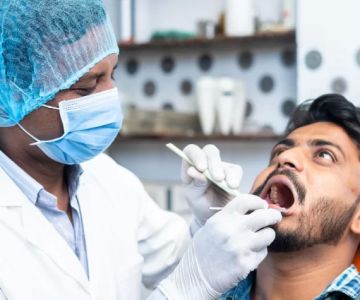
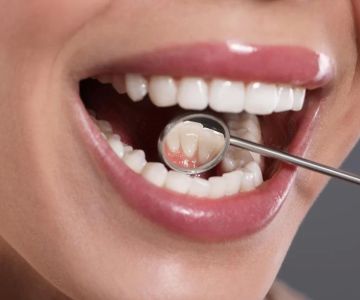
The first step in the oral cancer screening involves a careful visual inspection of the entire oral cavity, including the lips, tongue, gums, roof and floor of the mouth, and the back of the throat. Dentists look for abnormalities such as red or white patches, lumps, sores that do not heal, or any unusual changes in color or texture. This visual exam is a critical initial step to spot any suspicious areas that might indicate early cancerous changes.
2. Physical Palpation of the Neck and Jaw
Following the visual inspection, the dentist palpates (feels) the tissues of the neck, jaw, and lymph nodes for lumps or swelling. This manual examination helps identify abnormalities beneath the skin’s surface that might not be visible but could suggest the spread of cancerous cells or lymphatic involvement.
3. Use of Specialized Screening Tools and Techniques
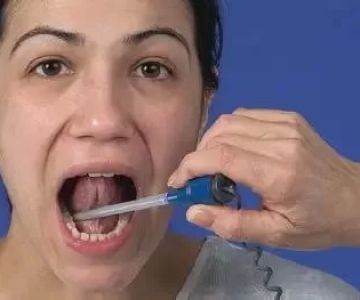
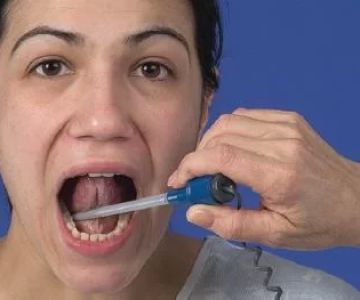
In many dental offices across the U.S., dentists employ advanced tools to enhance the detection process. One common tool is the VELscope®, a handheld device that uses fluorescence technology to detect abnormal cells invisible to the naked eye. Another method includes toluidine blue dye, which temporarily stains abnormal tissues for easier identification. These adjunctive techniques increase the accuracy of early oral cancer detection, especially in patients at higher risk.
Recognizing the Early Signs and Symptoms of Oral Cancer
Understanding the symptoms can empower patients to seek timely dental care. Common signs that dentists look for during screening include:
- Persistent sores or ulcers in the mouth that do not heal within two weeks.
- Red or white patches on the gums, tongue, or lining of the mouth.
- Unexplained bleeding, numbness, or pain in the mouth or lips.
- Difficulty swallowing or persistent hoarseness.
- Lumps or thickening of the skin or lining inside the mouth.
If you notice any of these signs between dental visits, it’s important to consult a healthcare professional immediately.
Case Study: How Early Screening Saved a Life
Consider the story of Sarah, a 45-year-old woman from Texas, who regularly visited her dentist for routine cleanings. During one visit, her dentist performed an oral cancer screening using a VELscope® device and detected a suspicious lesion on her tongue. Although Sarah had no symptoms, a biopsy confirmed early-stage oral cancer. Thanks to this early detection, Sarah received prompt treatment and is now cancer-free. Her case underscores the critical role dentists play in detecting oral cancer early—even before symptoms appear.
Who Should Get Regular Oral Cancer Screenings?
While all adults benefit from regular oral cancer screenings, certain individuals are at higher risk and should be particularly vigilant. These risk factors include:
- Tobacco use, including cigarettes, cigars, and smokeless tobacco.
- Heavy alcohol consumption.
- Prolonged exposure to human papillomavirus (HPV).
- A history of oral cancer or pre-cancerous lesions.
- Age over 40 years.
Dentists often recommend annual or biannual screenings based on individual risk factors and oral health history.
Maintaining Oral Health and Reducing Cancer Risk
Preventing oral cancer goes hand in hand with maintaining good oral hygiene and lifestyle choices. Regular dental check-ups, avoiding tobacco and excessive alcohol, eating a balanced diet rich in fruits and vegetables, and protecting yourself from HPV through vaccination are effective strategies to reduce risk. Remember, your dentist is not only a partner in your oral health but also your first line of defense against oral cancer.
Finding Expert Oral Cancer Screening Services
If you are concerned about oral cancer or want to ensure a thorough screening, consider visiting specialized dental clinics that offer advanced oral cancer detection services. Our website, Dentistry Toothtruth, provides trusted recommendations for experienced dentists across the United States who use the latest screening technology to keep your mouth healthy and cancer-free.


 Bensalem Dental Specialties Center3.0 (162 review)
 Charles H. Hoffman, DDS Oral and Maxillofacial Surgeon5.0 (12 review)
 DK Orthodontics4.0 (258 review)
 Millennium Park Smiles4.0 (179 review)
 Grand Dental - Aurora4.0 (890 review)
 Weimar Family & Implant Dentistry4.0 (778 review)
 The Importance of Oral Health Education During Pregnancy for a Healthy Pregnancy
 Best Tips for Brushing Your Teeth Properly for Healthy Gums: Essential Techniques for Oral Health
 Why Skipping Dental Checkups Can Lead to Bigger Oral Health Problems
 Advantages of Porcelain Dental Restorations
 How Can Diabetes Cause Tooth and Gum Problems? Preventing and Managing Oral Health Issues
 Healthy Habits for Promoting Good Oral Health and Hygiene: Tips for a Healthy Smile