
Understanding the Importance of Oral Hygiene
Oral hygiene is the cornerstone of overall health, yet many people underestimate its significance. A clean mouth doesn't just mean fresh breath — it plays a critical role in preventing dental diseases such as cavities, gum disease, and even more serious health issues like heart disease and diabetes. Improving your oral hygiene means adopting consistent habits that keep your teeth and gums healthy over the long term.
In the United States, dental problems remain widespread, with nearly half of adults over 30 suffering from some form of gum disease. This highlights why knowing how to improve oral hygiene is crucial for everyone, regardless of age or lifestyle.
Key Steps to Enhance Your Oral Hygiene Routine
1. Mastering Proper Brushing Techniques
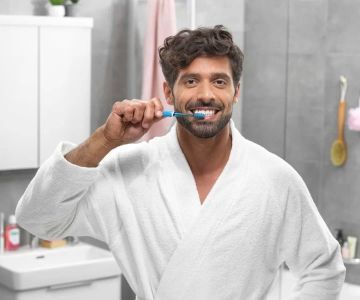
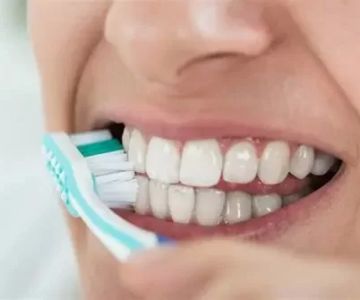
Brushing your teeth might seem straightforward, but technique matters. Using a soft-bristled toothbrush, hold it at a 45-degree angle to your gums and brush gently in circular motions. This helps remove plaque without damaging your gums. Experts recommend brushing for at least two minutes, twice daily, ensuring every tooth surface is cleaned, including the back molars where plaque often accumulates.
Many people rush through brushing or use excessive force, which can cause gum recession and sensitivity. Investing in an electric toothbrush with a timer can help maintain proper brushing time and pressure.
2. Flossing: The Often Overlooked Step
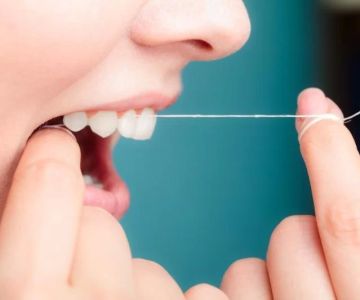
Flossing removes food particles and plaque from between teeth — areas your toothbrush cannot reach. Skipping flossing is a common mistake that contributes to cavities and gum inflammation. To floss correctly, use about 18 inches of floss, gently curve it around each tooth, and slide it beneath the gumline. This routine disrupts harmful bacteria buildup and keeps your gums healthy.
For people with braces or dental work, specialized flossers or interdental brushes can make this task easier and more effective.
3. Mouthwash and Its Role in Oral Health
Adding an antibacterial mouthwash to your routine can significantly reduce bacteria that cause bad breath and plaque. Choose an alcohol-free mouthwash with active ingredients like chlorhexidine or essential oils. Rinsing after brushing and flossing reaches areas still harboring bacteria, enhancing overall oral hygiene.
Be cautious not to rely solely on mouthwash—it's a supplement to brushing and flossing, not a substitute.
Dietary Habits That Support Oral Health
4. Nutrition’s Impact on Your Teeth and Gums
Your diet plays a vital role in maintaining oral health. Sugary and acidic foods fuel harmful bacteria that erode enamel and cause cavities. Reducing intake of sodas, candies, and processed snacks helps prevent tooth decay.
Conversely, foods rich in calcium, phosphorus, and vitamins A, C, and D strengthen teeth and gums. Dairy products, leafy greens, nuts, and fresh fruits contribute essential nutrients. Drinking plenty of water also helps wash away food particles and maintains saliva production, which naturally protects teeth.
Practical Lifestyle Changes for Better Oral Hygiene
5. Avoiding Harmful Habits
Smoking and excessive alcohol consumption dramatically increase the risk of gum disease, oral cancer, and tooth loss. Quitting smoking and moderating alcohol intake improve oral tissue health and healing.
Chewing ice or using your teeth as tools damages enamel and should be avoided. Developing these healthy habits safeguards your smile for years to come.
6. Regular Dental Checkups and Professional Cleanings
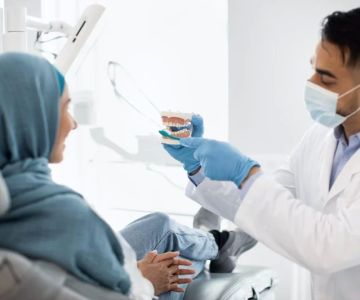
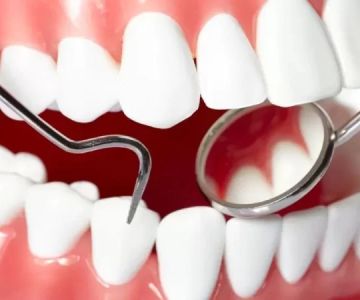
Even the best home care can’t replace regular dental visits. Twice-yearly checkups allow dentists to detect early signs of decay, gum disease, or other issues before they become severe. Professional cleanings remove hardened tartar, which brushing and flossing cannot eliminate.
Building a trusting relationship with your dental provider encourages timely treatment and personalized oral hygiene advice tailored to your needs.
Real-Life Example: How Consistency Transformed John’s Oral Health
John, a 45-year-old office worker, struggled with bad breath and frequent cavities despite brushing daily. After a dental consultation, he learned his brushing technique was too harsh and he never flossed. By adopting proper brushing methods, flossing every night, and cutting back on sugary snacks, John saw remarkable improvements within months.
His gums stopped bleeding, his breath fresher, and his dentist praised his lowered plaque levels. John’s story shows how dedication to improving oral hygiene pays off and boosts confidence.
Tools and Resources to Help You Maintain Optimal Oral Hygiene
7. Choosing the Right Products
Selecting toothpaste with fluoride, a quality toothbrush (manual or electric), and floss suited to your teeth spacing can make a big difference. Mouth rinses formulated for sensitive teeth or gum care address specific issues.
Exploring products recommended by dental professionals, such as those available through Dentistry Toothtruth, can enhance your oral hygiene routine. They provide guidance on the best items tailored to individual needs.
8. Technology and Apps to Support Your Routine
Mobile apps now remind you to brush, floss, and schedule dental visits, turning oral care into a manageable habit. Smart toothbrushes track brushing time and technique, offering feedback that helps you improve daily.
Taking the First Step Toward a Healthier Smile
Improving oral hygiene is a journey that combines education, habits, and tools. Start by mastering the basics of brushing and flossing, pay attention to your diet, and don’t neglect professional dental care. Over time, these steps will protect your teeth and gums, reduce dental issues, and keep your smile bright.
For personalized advice and trusted oral care products, consider exploring services and recommendations from Dentistry Toothtruth, where expert support is just a click away.

 Westgate Dental Arts3.0 (2 review)
 Dr. Mark F. Kadoshima, DDS4.0 (5 review)
 Stillwater Dental Group4.0 (68 review)
 Advanced Family Dental & Orthodontics4.0 (130 review)
 Springdale Family Dental4.0 (54 review)
 Bear Brook Dental Care4.0 (629 review)
 The Importance of Oral Health Education During Pregnancy for a Healthy Pregnancy
 Best Tips for Brushing Your Teeth Properly for Healthy Gums: Essential Techniques for Oral Health
 Why Skipping Dental Checkups Can Lead to Bigger Oral Health Problems
 Advantages of Porcelain Dental Restorations
 How Can Diabetes Cause Tooth and Gum Problems? Preventing and Managing Oral Health Issues
 Healthy Habits for Promoting Good Oral Health and Hygiene: Tips for a Healthy Smile