
How Can Poor Oral Health Lead to Heart Disease
The mouth is often considered the gateway to the body, and this connection becomes critical when we look at how poor oral health can lead to heart disease. Research has shown that untreated gum disease and chronic oral infections can trigger inflammation that spreads far beyond the mouth. In the United States, where heart disease remains the leading cause of death, understanding the relationship between oral hygiene and cardiovascular health is essential for prevention and long-term wellness.
The Link Between Gum Disease and the Heart
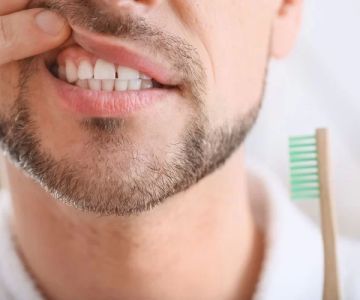
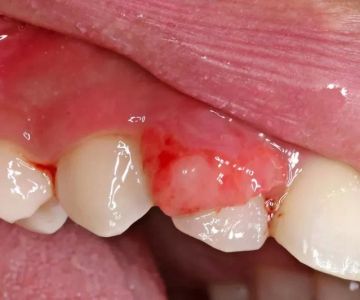
When gums are inflamed due to plaque buildup and bacterial infections, the bacteria can enter the bloodstream. Once inside the blood vessels, they contribute to inflammation and arterial plaque formation. This can lead to atherosclerosis, a condition where arteries harden and narrow, increasing the risk of heart attacks and strokes. Dentists often stress that gingivitis and periodontitis are not isolated oral problems but systemic health issues that demand attention.
Scientific Insights on Oral Bacteria and Cardiovascular Risks
Studies in American medical journals have consistently highlighted the correlation between poor dental health and cardiovascular problems. One study revealed that individuals with severe gum disease were nearly twice as likely to suffer from coronary artery disease. Scientists explain that oral bacteria such as Streptococcus sanguis can trigger blood clots by encouraging platelets to stick together. This process not only raises cardiovascular risks but also complicates recovery from heart-related conditions.
Real-Life Stories from Patients
Stories from patients across the US demonstrate the consequences of neglecting oral care. A middle-aged man from Ohio ignored bleeding gums for years, assuming it was minor. Eventually, he developed advanced gum disease, and soon after, doctors found blockages in his coronary arteries. Another case involved a woman in Florida whose untreated dental infections coincided with recurring chest pain. Once her oral health was restored through treatment, her cardiovascular symptoms improved significantly. These personal experiences show how oral and heart health are deeply interconnected.
Lifestyle Factors That Exacerbate the Problem
Poor oral hygiene often overlaps with other lifestyle risks for heart disease. Smoking, high-sugar diets, and lack of exercise not only harm oral health but also strain the heart. Americans who juggle busy schedules sometimes skip dental checkups, compounding the risks. Dentists and cardiologists alike emphasize that prevention begins with small daily habits: brushing twice, flossing, and maintaining regular dental visits. These habits can lower inflammation and reduce cardiovascular strain over time.
Professional Perspectives on Prevention
Medical professionals advise treating the mouth as an integral part of the body rather than a separate system. Cardiologists frequently ask patients about their dental history, and dentists increasingly collaborate with doctors to identify early warning signs of systemic issues. The professional consensus is clear: consistent oral hygiene is not merely cosmetic but a protective measure against heart disease. Preventive care is especially important for older adults and those already at risk for cardiovascular problems.
The Role of Family Dentistry Online
For those seeking reliable resources and professional care, Family Dentistry Online provides access to trusted clinics and expert advice. Whether you need guidance on gum disease treatment, preventive care, or simply improving your oral hygiene routine, the platform offers recommendations tailored to your needs. By connecting with the right services, Americans can strengthen both their oral health and their heart health.
Moving Toward Better Oral and Heart Health
The evidence is clear: poor oral health can increase the risk of heart disease, but the good news is that prevention is within reach. By adopting healthier habits, scheduling routine dental care, and paying attention to signs like bleeding gums or chronic bad breath, individuals can safeguard their smiles and protect their hearts. As more people recognize this vital connection, oral hygiene becomes not just about appearance but about extending life and health.


 Marshfield Pediatric Dentistry4.0 (52 review)
 Moats Dental4.0 (14 review)
 Dental Associates of St Paul3.0 (283 review)
 Grand Avenue Dental Center4.0 (422 review)
 Ossen Stephen M DDS5.0 (4 review)
 My Dentist Worcester4.0 (252 review)
 The Importance of Oral Health Education During Pregnancy for a Healthy Pregnancy
 Best Tips for Brushing Your Teeth Properly for Healthy Gums: Essential Techniques for Oral Health
 Why Skipping Dental Checkups Can Lead to Bigger Oral Health Problems
 Advantages of Porcelain Dental Restorations
 How Can Diabetes Cause Tooth and Gum Problems? Preventing and Managing Oral Health Issues
 Healthy Habits for Promoting Good Oral Health and Hygiene: Tips for a Healthy Smile