
Gum Recession Care: Essential Tips for Protecting Your Gums
- 1. Understanding Gum Recession
- 2. Common Causes of Gum Recession
- 3. How to Prevent Gum Recession
- 4. Treating Gum Recession: Solutions and Options
- 5. Maintaining Gum Health for Long-Term Protection
1. Understanding Gum Recession
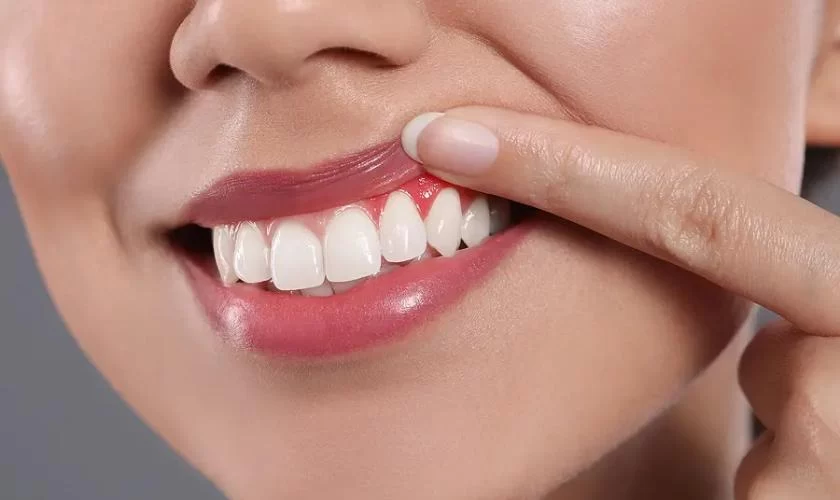
Gum recession is a common oral health issue where the gum tissue surrounding the teeth pulls back, exposing more of the tooth or even the tooth's root. While gum recession may occur slowly, it can lead to serious dental problems if left untreated. Not only does it cause sensitivity in your teeth, but it also increases the risk of tooth decay and gum disease.
It's important to catch gum recession early, as the damage it causes can sometimes be irreversible. By understanding the signs and causes of gum recession, you can take steps to prevent further damage and protect your smile for the long term.
2. Common Causes of Gum Recession
There are several factors that can contribute to gum recession. It's important to recognize these to take proactive steps in preventing this issue:
1. Poor Oral Hygiene
Improper brushing techniques, such as brushing too hard, can wear down the gum tissue and lead to recession. Poor oral hygiene can also result in plaque buildup, which can irritate the gums and contribute to gum disease.
2. Genetics
Some people may be genetically predisposed to gum recession, making them more susceptible to this condition. If your family members have experienced gum recession, it's important to be more vigilant about oral care.
3. Gum Disease
Gingivitis and periodontitis, forms of gum disease, can cause gums to recede. These conditions are often the result of poor oral hygiene, which leads to plaque and tartar buildup around the gums.
4. Aggressive Brushing
Brushing with too much force or using a hard-bristled toothbrush can harm your gums over time. It's essential to use a soft-bristled toothbrush and gentle brushing motions to avoid damaging the gum tissue.
5. Hormonal Changes
Changes in hormones, particularly in women during pregnancy, menopause, or menstruation, can make gums more sensitive and prone to recession. It’s important to maintain proper dental care during these times to avoid gum issues.
3. How to Prevent Gum Recession
Prevention is key when it comes to gum recession. Here are some important tips to help keep your gums healthy and prevent recession:
1. Brush Gently and Properly
Use a soft-bristled toothbrush and avoid brushing too hard. Brush your teeth twice a day using gentle circular motions to remove plaque without damaging your gums. Make sure to brush along the gum line, where recession often begins.
2. Floss Daily
Flossing helps remove plaque and food particles between your teeth and along the gum line. This is important for preventing gum disease, which can lead to gum recession. Make sure to floss gently to avoid injuring your gums.
3. Regular Dental Check-Ups
Visit your dentist regularly for check-ups and cleanings. Your dentist can detect early signs of gum disease and gum recession, allowing for early intervention. Professional cleanings are essential for removing plaque and tartar that contribute to gum problems.
4. Protect Your Gums from Trauma
Avoid habits such as grinding your teeth or biting on hard objects, as these can contribute to gum recession. If you grind your teeth at night, consider using a nightguard to protect both your teeth and gums.
4. Treating Gum Recession: Solutions and Options
If gum recession has already occurred, there are several treatment options available. The goal of treatment is to prevent further damage and restore the gum tissue as much as possible:
1. Deep Cleaning
If gum recession is due to gum disease, your dentist may recommend a deep cleaning procedure called scaling and root planing. This process removes plaque and tartar from below the gum line and smooths the root surfaces to promote healing.
2. Gum Grafting
In more severe cases, a gum graft may be necessary to restore lost gum tissue. This procedure involves taking tissue from another area of your mouth or using donor tissue to cover the exposed root and protect the teeth.
3. Pinhole Surgical Technique
For less invasive treatment, the pinhole surgical technique (PST) may be an option. This procedure involves making a small hole in the gum tissue and repositioning it to cover the exposed roots. It's a minimally invasive option that can offer good results with a quicker recovery time.
5. Maintaining Gum Health for Long-Term Protection
Once you've taken steps to treat gum recession, it's important to continue protecting your gums in the long run:
1. Maintain Good Oral Hygiene
Keeping up with a good oral hygiene routine is the best way to prevent gum recession from happening again. Brush and floss regularly, and use mouthwash to kill bacteria and reduce plaque buildup.
2. Stay Hydrated
Drinking plenty of water helps wash away food particles and bacteria from your mouth. Staying hydrated also helps maintain saliva flow, which plays a crucial role in protecting your gums.
3. Eat a Balanced Diet
A healthy diet rich in vitamins and minerals supports gum health. Foods high in vitamin C, for example, can help strengthen your gums and protect against gum disease.
For more information on gum recession care and to find products that can help maintain healthy gums, visit [Dentistry Toothtruth](https://familydentistryonline.net). We offer expert advice and solutions for gum health and other dental concerns.






 Clove Dental Camarillo4.0 (225 review)
 Christopher Kragor, DMD5.0 (21 review)
 Dr. Susan E. Henrickson, DMD, FAGD0.0 (0 review)
 Smile Fixer RVA: Stacy Lukanuski DDS, D.B.A4.0 (249 review)
 Oral Surgery of Springfield3.0 (97 review)
 Shining Smiles Dentistry4.0 (433 review)
 The Importance of Oral Health Education During Pregnancy for a Healthy Pregnancy
 Best Tips for Brushing Your Teeth Properly for Healthy Gums: Essential Techniques for Oral Health
 Why Skipping Dental Checkups Can Lead to Bigger Oral Health Problems
 Advantages of Porcelain Dental Restorations
 How Can Diabetes Cause Tooth and Gum Problems? Preventing and Managing Oral Health Issues
 Healthy Habits for Promoting Good Oral Health and Hygiene: Tips for a Healthy Smile