
When Should My Child Get Their First Dental Check-Up? Expert Advice for Parents
- The Importance of Early Dental Care
- When Should You Schedule the First Dental Visit?
- What to Expect During the First Dental Check-Up
- Real-Life Case Studies: Parents Share Their Experiences
- Dental Care Tips for Younger Children
- How to Find a Pediatric Dentist
1. The Importance of Early Dental Care
It's common for parents to wonder when the right time is to take their child for their first dental check-up. The American Academy of Pediatric Dentistry (AAPD) recommends that children should have their first dental visit within six months after their first tooth erupts or by their first birthday. Early dental care plays a crucial role in maintaining your child’s oral health and can help prevent future dental problems.
Regular check-ups allow dentists to monitor the development of your child's teeth, assess any potential risks, and provide early interventions. Early visits also help familiarize children with the dentist's office, reducing fear and anxiety later on.
2. When Should You Schedule the First Dental Visit?
The ideal time to schedule your child’s first dental visit is when their first tooth appears, usually between six and twelve months of age. For some children, this may be earlier, and for others, it may be slightly later. Regardless of timing, it’s important not to delay the visit beyond the child’s first birthday.
If you notice any issues with your child's teeth, such as discolored teeth, unusual gaps, or difficulty chewing, it’s even more important to seek a pediatric dentist’s evaluation sooner. Early visits can also address any concerns parents may have about thumb-sucking, teething, or early tooth decay.
3. What to Expect During the First Dental Check-Up
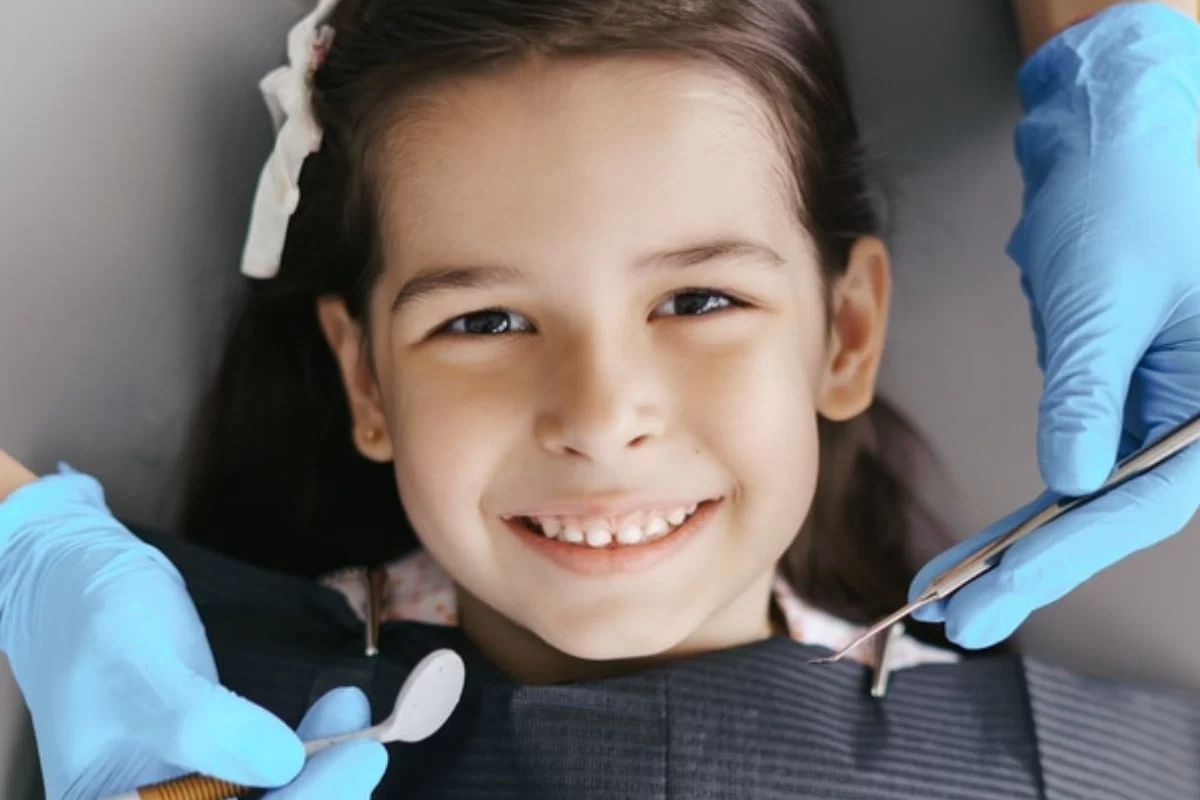
The first dental visit is usually a short and simple experience. The dentist will perform a gentle examination of your child’s teeth, gums, and mouth to ensure everything is developing normally. The visit will likely include:
- Gentle Tooth Examination: The dentist will check for any early signs of decay or abnormal development.
- Discussion of Oral Hygiene Habits: The dentist will talk to you about the best ways to clean your child's teeth, including brushing and flossing techniques.
- Teething Advice: If your child is still in the teething phase, the dentist may offer tips on soothing sore gums.
- Fluoride Treatments: Depending on the child’s age, the dentist might apply a fluoride treatment to help strengthen developing teeth.
The first visit may also be an opportunity for the dentist to provide guidance on healthy eating habits and how to avoid common childhood dental issues such as cavities.
4. Real-Life Case Studies: Parents Share Their Experiences
Parents often wonder if their child will feel anxious during their first dental check-up. However, many parents report positive experiences when they take their children in for early visits. For example, Sarah, a mother of two, took her daughter Mia to the dentist at 10 months old after her first tooth came through. While Mia was initially curious about the new environment, she remained calm, and the dentist was able to perform a quick check-up without any tears.
Similarly, John and Emily, whose son Luke was apprehensive about the dentist, found that taking him for an early check-up helped ease his fears. By introducing him to the dentist’s office at a young age, Luke became more comfortable during future visits, leading to better dental health and fewer dental anxieties.
5. Dental Care Tips for Younger Children
In addition to regular dental visits, there are several practices parents can follow to ensure their child’s teeth remain healthy:
- Start Cleaning Early: Even before the first tooth appears, gently wipe your baby’s gums with a soft cloth to remove bacteria.
- Brush Twice a Day: Once your child’s first tooth emerges, use a soft-bristled toothbrush to clean their teeth twice a day.
- Limit Sugary Snacks: Offer healthy snacks such as fruits and vegetables to reduce the risk of cavities.
- Use Fluoride Toothpaste: After your child turns two, begin using a pea-sized amount of fluoride toothpaste to help protect their teeth from decay.
These habits, combined with regular dental check-ups, will help ensure that your child has strong, healthy teeth as they grow.
6. How to Find a Pediatric Dentist
Choosing the right pediatric dentist is essential for ensuring your child’s comfort and care. Here are a few tips for finding a qualified pediatric dentist:
- Look for Specialization: Pediatric dentists specialize in the care of children’s teeth, so make sure your dentist is certified in this field.
- Read Reviews: Check online reviews and ask for recommendations from other parents to find a trusted professional.
- Check Office Environment: Choose a dentist’s office that is child-friendly and has staff trained to handle children’s needs.
You can also visit Dentistry Toothtruth for more resources and tips on finding a reliable pediatric dentist in your area.
Taking your child for their first dental check-up is a crucial step in their overall health. By ensuring that your child sees a dentist early on, you set the foundation for good oral hygiene and a lifetime of healthy smiles. For more information and to find the best pediatric dental care near you, visit Dentistry Toothtruth today.






 Thai & Kiourtsis Orthodontics5.0 (66 review)
 Triplett & Livingston Dental5.0 (964 review)
 OC Centers for Oral Surgery & Dental Implants - San Clemente5.0 (199 review)
 Arthur Glosman, DDS5.0 (366 review)
 Dental Associates of Delaware-Hockessin4.0 (247 review)
 Asha Dental Lenexa5.0 (5 review)
 The Importance of Oral Health Education During Pregnancy for a Healthy Pregnancy
 Best Tips for Brushing Your Teeth Properly for Healthy Gums: Essential Techniques for Oral Health
 Why Skipping Dental Checkups Can Lead to Bigger Oral Health Problems
 Advantages of Porcelain Dental Restorations
 How Can Diabetes Cause Tooth and Gum Problems? Preventing and Managing Oral Health Issues
 Healthy Habits for Promoting Good Oral Health and Hygiene: Tips for a Healthy Smile