Family Dentistry Online
Dental BlogDental ClinicServicesTooth ProblemsOral Health Basics
All Dental ClinicsAlabamaArizonaArkansasCaliforniaColoradoConnecticutDelawareFloridaGeorgiaHawaiiIdahoIllinoisIndianaIowaKansasKentuckyLouisianaMaineMarylandMassachusettsMichiganMinnesotaMississippiMissouriMontanaNebraskaNevadaNew HampshireNew JerseyNew MexicoNew YorkNorth CarolinaNorth DakotaOhioOklahomaOregonPennsylvaniaRhode IslandSouth CarolinaSouth DakotaTennesseeTexasUtahVermontVirginiaWashingtonWest VirginiaWisconsinWyoming
Preventive CareRestorative DentistryOrthodonticsPeriodonticsOral SurgeryCosmetic DentistryPediatric DentistryEmergency DentistrySleep Apnea TreatmentOral Health Education
Tooth DiseasesGum ProblemsMouth Ulcers & InfectionsTeeth Whitening & RestorationMalocclusion & Orthodontic IssuesDry Mouth SyndromeChildren's & Senior Oral Health
Oral HygieneCommon Oral DiseasesDiet and Oral HealthRegular Check-ups and Professional CareOral Health and Overall HealthHealthy Oral HabitsChildren's and Senior Oral Health
Family Dentistry OnlineServices

Essential Dental Care for Kids: Tips for Maintaining Healthy Teeth and Gums

Essential Dental Care for Kids: Tips for Maintaining Healthy Teeth and Gums

1. Why Dental Care for Kids is Crucial

Dental care for kids is not just about keeping their teeth clean—it's an essential part of their overall health. Good oral hygiene habits developed early in life set the foundation for a lifetime of healthy teeth and gums. The first few years of a child's life are critical in shaping their dental health, which is why early dental care for kids is so important.Without proper care, children are at risk of developing tooth decay, gum disease, and other dental issues that could affect their well-being. Pediatric dental care focuses on preventing these problems by teaching children how to care for their teeth, as well as helping parents understand when professional dental intervention is needed.

2. The Basics of Children's Dental Health

Understanding the fundamentals of children's dental health is the first step toward providing the best care. Baby teeth, also known as primary teeth, begin to emerge when babies are around six months old. These teeth play an important role in speech development, eating, and guiding the permanent teeth into place.By the age of one or two, a child's first visit to the dentist is recommended. This early visit helps parents learn how to care for their child’s teeth and prevents early dental problems.Key aspects of kids' oral hygiene include brushing, flossing, and maintaining a balanced diet to avoid cavities. Regular visits to a pediatric dentist ensure that any potential dental issues are addressed early, before they become bigger problems.

3. Creating a Healthy Dental Routine for Kids

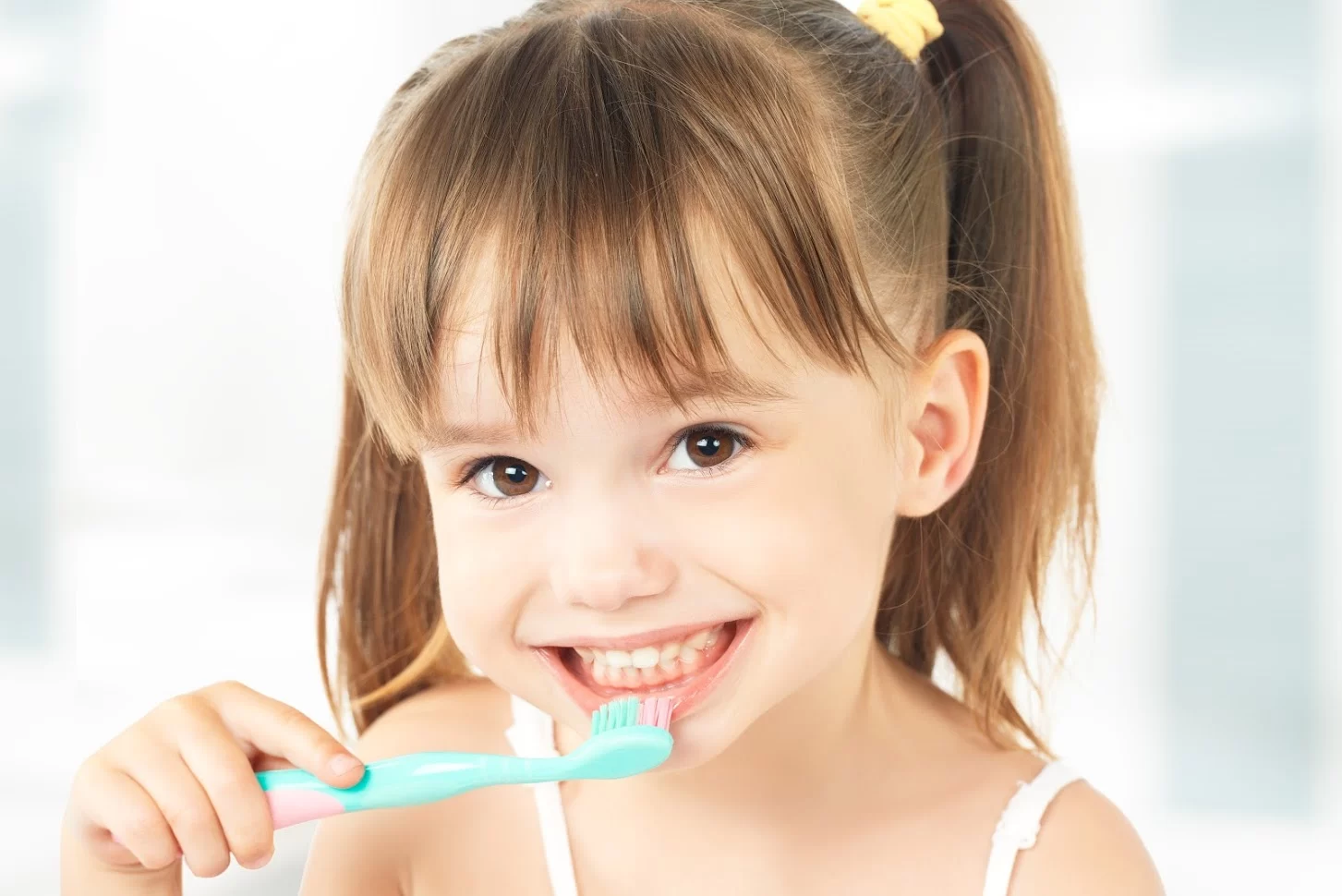
Creating a kids' dental routine is essential to establishing good oral hygiene habits. A consistent routine helps children understand the importance of brushing and flossing, making them more likely to stick to these habits as they grow older.Start with brushing twice a day with a fluoride toothpaste. It's essential to use a pea-sized amount of toothpaste to prevent swallowing too much fluoride. Make sure to brush for two minutes, focusing on all surfaces of the teeth. Parents should help younger children with brushing until they are old enough to do it on their own, usually around the age of six or seven.Flossing should also be introduced once your child’s teeth start to touch each other. Using kid-friendly flossers can make this process easier and more fun.

4. Tips for Teaching Kids to Brush and Floss

Teaching kids how to brush and floss properly can be a challenge, but it’s an important skill that will last them a lifetime. Here are a few tips to make it easier:Use a Fun Toothbrush: Kids are more likely to enjoy brushing if they have a toothbrush with their favorite character or in a color they like. Look for brushes that have soft bristles for gentle cleaning.Play Music or Use a Timer: Make brushing time fun by playing a favorite song for two minutes or using a timer. This keeps kids engaged and ensures they brush long enough.Be a Role Model: Children are more likely to take care of their teeth if they see their parents doing the same. Make brushing a family activity, so they know it's important for everyone.Use Positive Reinforcement: Reward your child for brushing and flossing regularly. Stickers, extra playtime, or a special treat can encourage good dental habits.

5. Common Dental Issues in Kids and How to Prevent Them

Some of the most common dental issues children face include cavities, tooth sensitivity, and misaligned teeth. Luckily, many of these problems can be prevented with proper care and regular visits to a pediatric dentist.Cavities: The most common dental problem in kids is cavities, which can be prevented by brushing and flossing regularly, as well as limiting sugary snacks and drinks.Tooth Sensitivity: If your child experiences tooth sensitivity, make sure they're using a toothpaste designed for sensitive teeth. A visit to the dentist may also help identify the cause.Misaligned Teeth: If your child’s teeth are not growing in properly, it’s important to consult a pediatric dentist to see if orthodontic treatment is needed.

6. When to Visit a Pediatric Dentist

Regular visits to a children's dentist are crucial in ensuring your child’s dental health is on track. The American Academy of Pediatric Dentistry recommends that children visit the dentist by their first birthday. After that, visits should occur every six months for routine check-ups and cleanings.If you notice signs of dental issues, such as pain, difficulty eating, or visible cavities, it’s important to schedule an appointment with a pediatric dentist as soon as possible.

7. Choosing the Right Dental Products for Kids
Choosing the right dental products for your child is key to maintaining good oral hygiene. Here are a few tips on selecting the best products for your child's dental needs:Toothpaste: Look for toothpaste that contains fluoride to help protect against cavities. Choose a flavor your child likes, so they are more likely to use it.Toothbrush: A child-sized toothbrush with soft bristles is ideal for young mouths. Replace it every three to four months or sooner if the bristles become frayed.Floss: Kids’ floss should be easy to handle and gentle on their gums. Look for colorful, fun flossers that will encourage them to use it regularly.Investing in quality dental care products and staying consistent with your child’s dental routine will help ensure their smile stays healthy and bright for years to come.Maintaining dental care for kids is a lifelong journey that starts early. By setting up a solid routine, teaching your child good habits, and providing the right tools, you can help them avoid common dental problems and maintain healthy teeth for years to come. Interested in learning more about kids' dental care products? Click here to explore top-rated dental products for children with Dentistry Toothtruth and give your child the healthy smile they deserve!

Trending Blog Articles

Popular Dental Blog Posts

Categories

Popular Dental Clinics

Top Dental Blog Posts

Most Searched Dental Clinics

Hot Blog Topics