
Effective Ways to Teach Children About Oral Health – Tips and Methods for Parents
- 1. The Importance of Oral Health for Children
- 2. Creating Fun and Engaging Routines
- 3. The Role of Parents and Education in Shaping Healthy Habits
- 4. Using Visuals and Games to Teach Oral Health
- 5. Healthy Snacking and Its Impact on Dental Health
- 6. Introducing Dental Checkups and Professional Care
1. The Importance of Oral Health for Children
Teaching children about oral health is not just about brushing and flossing—it’s about instilling habits that will last a lifetime. Oral health is essential for overall well-being, and as parents, caregivers, or educators, it is crucial to set the foundation for children to take responsibility for their dental hygiene.
As soon as children start growing their first set of teeth, it’s time to begin the process of teaching them about the importance of taking care of their mouths. Research has shown that good oral health practices at a young age can prevent problems such as cavities, gum disease, and other oral health issues later on in life.
2. Creating Fun and Engaging Routines
One of the most effective ways to teach children about oral health is by making the process fun! Kids are naturally more likely to engage in activities that are entertaining and engaging. For example, brushing their teeth can be turned into a game with songs, timers, or interactive toothbrushes that light up or play music. You could also create a sticker chart to reward them for consistent brushing and flossing.
By introducing fun activities around oral health, children will develop a positive association with taking care of their teeth. For example, you could play games where they “fight off the sugar bugs” by brushing their teeth properly, or they could pretend to be a dentist, helping their toys get their teeth cleaned.
3. The Role of Parents and Education in Shaping Healthy Habits
Parents play an essential role in shaping a child's understanding of oral health. Modeling healthy dental care habits can go a long way in motivating children to follow suit. If parents brush and floss regularly, children are more likely to adopt those habits. Education is also key—explaining why brushing and flossing are necessary can help children understand the importance of maintaining a healthy smile.
Additionally, talking about the consequences of poor oral hygiene, such as cavities or bad breath, can help kids connect the dots between their habits and the health of their teeth. Consider discussing how their teeth are like “tools” that need care to help them chew, smile, and speak properly.
4. Using Visuals and Games to Teach Oral Health
Visual aids and games can be powerful tools in making oral health education more engaging. Books with colorful pictures or characters that emphasize good dental habits can help children remember the importance of brushing. Interactive apps and games that teach kids how to brush and floss correctly can also be a great way to supplement learning.
Moreover, animated videos and cartoons can make complex topics like plaque and cavity prevention more accessible for younger children. By utilizing these visual and interactive resources, you can make learning about oral health exciting and memorable for kids.
5. Healthy Snacking and Its Impact on Dental Health
In addition to teaching proper brushing and flossing techniques, it’s also important to educate children on the impact of diet on oral health. Healthy snacks, such as fruits, vegetables, and dairy products, not only provide essential nutrients but also help keep teeth strong. On the other hand, sugary snacks and drinks can contribute to cavities and plaque buildup.
Encouraging kids to make healthier snack choices while limiting sugary treats will help them maintain better oral hygiene. It's a good idea to educate children on which foods are good for their teeth and why. Simple explanations, such as “milk makes your teeth strong,” can help reinforce these ideas.
6. Introducing Dental Checkups and Professional Care
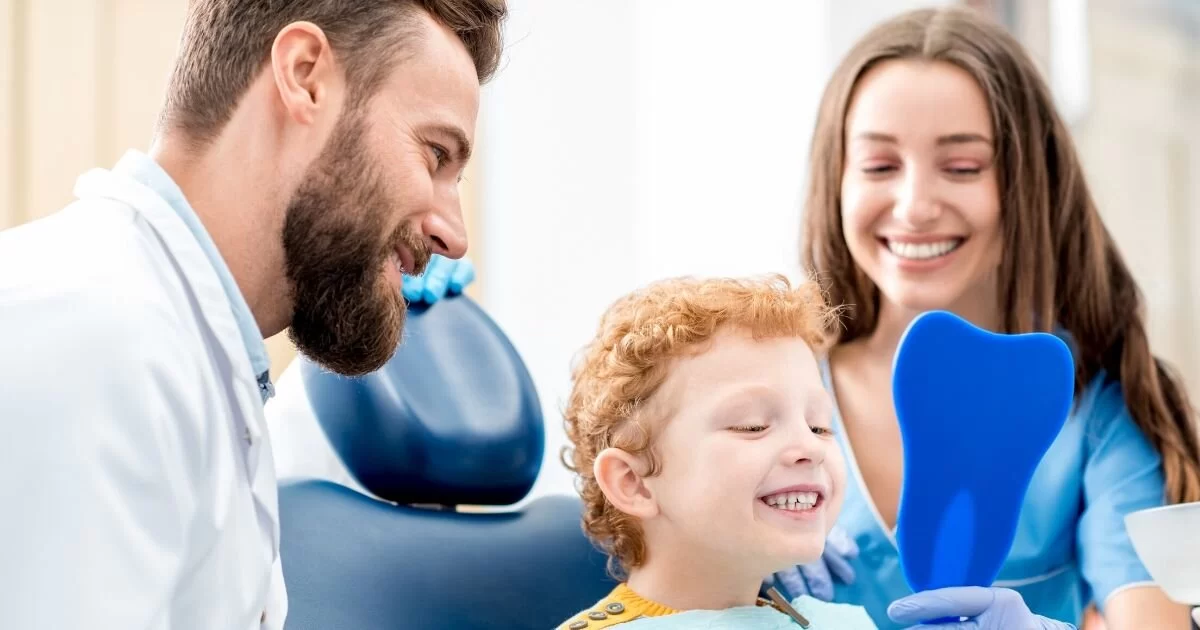
Introducing dental checkups at an early age can help children understand the importance of professional care. These visits allow children to get familiar with the dentist and the tools used during checkups. It’s also a great opportunity to teach kids that dental visits are not something to fear.
Start with a positive approach—talk about the dentist as a friendly “tooth doctor” who will make sure their teeth stay healthy. You can even role-play the experience at home with toys, so kids know what to expect. Regular checkups ensure that any potential issues are spotted early, helping children maintain a healthy smile as they grow.

 ADVANCED SMILES PC4.0 (205 review)
 Cal Dental of Van Nuys4.0 (109 review)
 Dr. Dhaval Shah, DDS1.0 (1 review)
 Dentistry for Children - Cumming Midway4.0 (275 review)
 Dr. James C. Kincaid5.0 (39 review)
 Smile Dental of New Rochelle5.0 (242 review)
 The Importance of Oral Health Education During Pregnancy for a Healthy Pregnancy
 Best Tips for Brushing Your Teeth Properly for Healthy Gums: Essential Techniques for Oral Health
 Why Skipping Dental Checkups Can Lead to Bigger Oral Health Problems
 Advantages of Porcelain Dental Restorations
 How Can Diabetes Cause Tooth and Gum Problems? Preventing and Managing Oral Health Issues
 Healthy Habits for Promoting Good Oral Health and Hygiene: Tips for a Healthy Smile