
Effective Periodontal Disease Treatment Methods to Restore Gum Health
- Understanding Periodontal Disease
- Signs and Symptoms of Periodontal Disease
- Treatment Options for Periodontal Disease
- Preventive Care for Healthy Gums
- When to Seek Professional Help
Understanding Periodontal Disease
Periodontal disease, often referred to as gum disease, is a serious gum infection that damages the soft tissue and bone supporting your teeth. It is primarily caused by poor oral hygiene that allows plaque, a sticky film of bacteria, to build up on teeth and harden into tartar.
If left untreated, periodontal disease can lead to tooth loss and other severe health issues, including heart disease and diabetes. Understanding the importance of early detection and treatment of periodontal disease is crucial for preventing irreversible damage to your gums and teeth.
Signs and Symptoms of Periodontal Disease
Knowing the signs and symptoms of periodontal disease can help you take action early and prevent further complications. Some common indicators of gum disease include:
1. Bleeding Gums
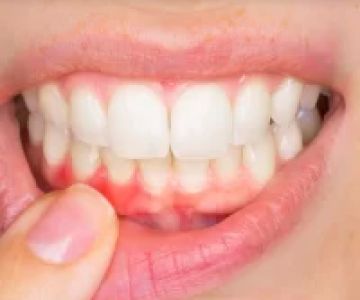
If you notice that your gums bleed when brushing or flossing, this is often the first sign of periodontal disease. It may indicate gingivitis, the earliest stage of gum disease, which is treatable with improved oral hygiene.
2. Bad Breath (Halitosis)
Persistent bad breath or a bad taste in your mouth can be caused by the bacteria in your mouth, which thrive in the presence of plaque and tartar buildup.
3. Receding Gums
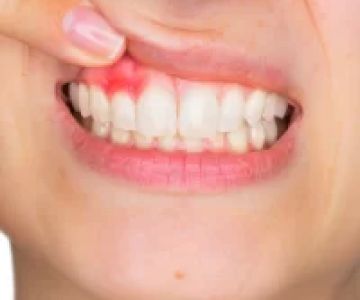
As periodontal disease progresses, your gums may begin to recede, making your teeth appear longer. This is a serious sign of gum recession and the need for periodontal treatment.
4. Loose Teeth
In advanced stages of periodontal disease, your teeth may become loose due to the destruction of the bone that supports them. If you experience this symptom, it’s essential to seek treatment immediately.
Treatment Options for Periodontal Disease
The treatment for periodontal disease depends on the severity of the condition. There are both non-surgical and surgical treatment methods available to address gum disease and restore your gum health.
1. Non-Surgical Treatments
For patients with mild to moderate periodontal disease, non-surgical treatments are often the first line of defense. These treatments include:
a. Scaling and Root Planing
Scaling and root planing is a deep-cleaning procedure that removes plaque and tartar from beneath the gum line. The procedure also smoothens the roots of your teeth, helping your gums reattach to the teeth more securely.
b. Antibiotics
In some cases, antibiotics may be prescribed to help control infection and reduce the bacteria in the gums. These may be topical antibiotics applied directly to the gums or oral antibiotics taken as pills.
2. Surgical Treatments
If non-surgical treatments are not sufficient, surgical options may be required to treat advanced periodontal disease. These procedures include:
a. Flap Surgery
Flap surgery involves lifting the gums away from the teeth to remove tartar and bacteria from deeper pockets. The gums are then sutured back in place for a tighter fit around the teeth.
b. Bone and Tissue Grafting
In cases of significant bone loss, bone grafting can help regenerate lost bone tissue. This is often done using bone from another part of your body or synthetic bone material. Soft tissue grafts may also be used to cover exposed tooth roots and prevent further gum recession.
3. Laser Treatment
Laser therapy is a more modern, minimally invasive method of treating periodontal disease. Lasers are used to remove infected tissue and bacteria, while also promoting the regeneration of healthy tissue.
Preventive Care for Healthy Gums
Preventing periodontal disease is always preferable to treating it. Incorporating good oral hygiene practices into your daily routine can help reduce your risk of developing gum disease.
1. Brushing and Flossing
Brush your teeth at least twice a day with fluoride toothpaste, and floss daily to remove plaque and food particles from between your teeth. This helps prevent the buildup of plaque that can lead to gum disease.
2. Regular Dental Checkups
Routine visits to your dentist are essential for maintaining healthy gums. Your dentist will monitor the health of your gums, remove plaque buildup, and provide professional advice on how to improve your oral hygiene habits.
3. Quit Smoking
Smoking is a major risk factor for periodontal disease. It weakens your immune system, making it more difficult for your gums to heal and fight infection. Quitting smoking is one of the best things you can do for your gum health.
When to Seek Professional Help
If you experience any of the symptoms of periodontal disease, such as bleeding gums, bad breath, or loose teeth, it’s important to seek professional dental care as soon as possible. Early intervention can prevent the disease from progressing to a more severe stage.
In addition to seeing your dentist for regular checkups, consider professional treatments like scaling and root planing to address the initial stages of gum disease. For more advanced cases, periodontal surgery may be necessary to restore gum health.
If you are looking for expert advice or products to help manage periodontal disease, visit Dentistry Toothtruth for more information on effective treatments and preventive care.



 Downer Place Dental & Orthodontics4.0 (634 review)
 Brace Busters3.0 (2 review)
 Piedmont Periodontics4.0 (34 review)
 Oregon Endodontic Group5.0 (68 review)
 Oakwood Dental Arts4.0 (470 review)
 Longwood Dental Group4.0 (544 review)
 The Importance of Oral Health Education During Pregnancy for a Healthy Pregnancy
 Best Tips for Brushing Your Teeth Properly for Healthy Gums: Essential Techniques for Oral Health
 Why Skipping Dental Checkups Can Lead to Bigger Oral Health Problems
 Advantages of Porcelain Dental Restorations
 How Can Diabetes Cause Tooth and Gum Problems? Preventing and Managing Oral Health Issues
 Healthy Habits for Promoting Good Oral Health and Hygiene: Tips for a Healthy Smile