
Effective Oral Hygiene Habits: How to Improve Your Daily Routine
- 1. Understanding the Basics of Oral Hygiene
- 2. Brushing Your Teeth: The Right Way
- 3. The Importance of Flossing
- 4. Choosing the Right Dental Care Products
- 5. How Diet Affects Your Oral Health
- 6. Why Regular Dental Checkups Matter
1. Understanding the Basics of Oral Hygiene
Oral hygiene is a crucial part of your overall health. It involves a set of daily habits to maintain the cleanliness of your mouth, teeth, and gums. Proper oral hygiene helps prevent cavities, gum disease, and bad breath. The foundation of oral hygiene includes brushing, flossing, and visiting your dentist regularly. Let's explore each of these habits in detail to understand their importance and how they contribute to a healthy mouth.
2. Brushing Your Teeth: The Right Way
Brushing your teeth might seem straightforward, but there's more to it than simply moving a toothbrush around. To properly clean your teeth, you should brush for at least two minutes, twice a day. Use a soft-bristled toothbrush and fluoride toothpaste. Start by brushing the outer surfaces, followed by the inner surfaces and chewing surfaces. Don't forget to brush your tongue, as bacteria can build up there too.
A common mistake is brushing too aggressively, which can harm your gums and tooth enamel. Instead, use gentle, circular motions to clean your teeth effectively without damaging them.
3. The Importance of Flossing
Flossing is just as important as brushing, yet many people skip it. Flossing removes plaque and food particles from between your teeth and under the gumline, areas that a toothbrush cannot reach. It's recommended to floss at least once a day, ideally before brushing. If you're not sure how to floss correctly, consult your dentist for guidance.
Studies show that people who floss regularly have healthier gums and a lower risk of tooth decay. Flossing can also help prevent gum disease, which, if left untreated, can lead to tooth loss.
4. Choosing the Right Dental Care Products
With so many dental products on the market, it can be overwhelming to choose the right ones. When selecting toothpaste, look for one with fluoride, as it helps to prevent cavities. For toothbrushes, choose one with soft bristles to avoid damaging your gums and enamel. Additionally, consider using mouthwash to help kill bacteria and keep your breath fresh.
Some people may also benefit from using electric toothbrushes, which can provide a more thorough clean than manual brushing. Be sure to choose products that suit your individual needs, such as those for sensitive teeth or gum care.
5. How Diet Affects Your Oral Health
Your diet plays a significant role in your oral hygiene habits. Eating a balanced diet rich in vitamins and minerals, such as calcium and vitamin D, helps keep your teeth strong and your gums healthy. Avoid sugary foods and drinks, as they contribute to plaque buildup and tooth decay. It's also important to stay hydrated by drinking plenty of water throughout the day.
Incorporating crunchy fruits and vegetables like apples, carrots, and celery can help clean your teeth naturally. Moreover, chewing sugar-free gum after meals can stimulate saliva production, which helps neutralize acids in your mouth.
6. Why Regular Dental Checkups Matter
No matter how diligent you are with your oral hygiene routine, regular dental checkups are essential. Dentists can spot problems early, such as cavities, gum disease, or oral cancer, that may not be visible to you. Most dental professionals recommend visiting your dentist every six months for a routine cleaning and exam.
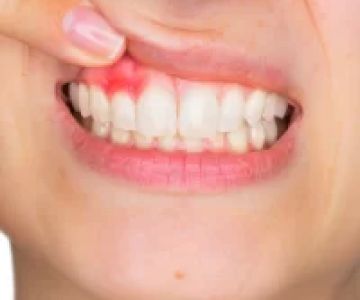
During these visits, your dentist may also provide additional tips or recommendations for improving your oral hygiene habits. If you experience any pain, swelling, or bleeding gums, don't wait for your next appointment—see your dentist as soon as possible.
By following these oral hygiene habits and taking good care of your teeth and gums, you can enjoy a healthy, bright smile for years to come. Remember, your oral health is directly linked to your overall health, so make these habits a priority!
To learn more about improving your oral hygiene routine and maintaining a healthy smile, visit Dentistry Toothtruth.

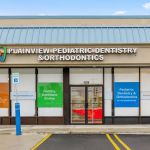 Plainview Pediatric Dentistry & Orthodontics5.0 (335 review)
 Renew Smiles Dental Implant Center – Surprise0.0 (0 review)
 Michael C. Byars, DDS5.0 (67 review)
 Gentle Dental Downtown Portland4.0 (123 review)
 Lakes Orthodontics4.0 (250 review)
 Straight Smiles Orthodontics4.0 (25 review)
 The Importance of Oral Health Education During Pregnancy for a Healthy Pregnancy
 Best Tips for Brushing Your Teeth Properly for Healthy Gums: Essential Techniques for Oral Health
 Why Skipping Dental Checkups Can Lead to Bigger Oral Health Problems
 Advantages of Porcelain Dental Restorations
 How Can Diabetes Cause Tooth and Gum Problems? Preventing and Managing Oral Health Issues
 Healthy Habits for Promoting Good Oral Health and Hygiene: Tips for a Healthy Smile