
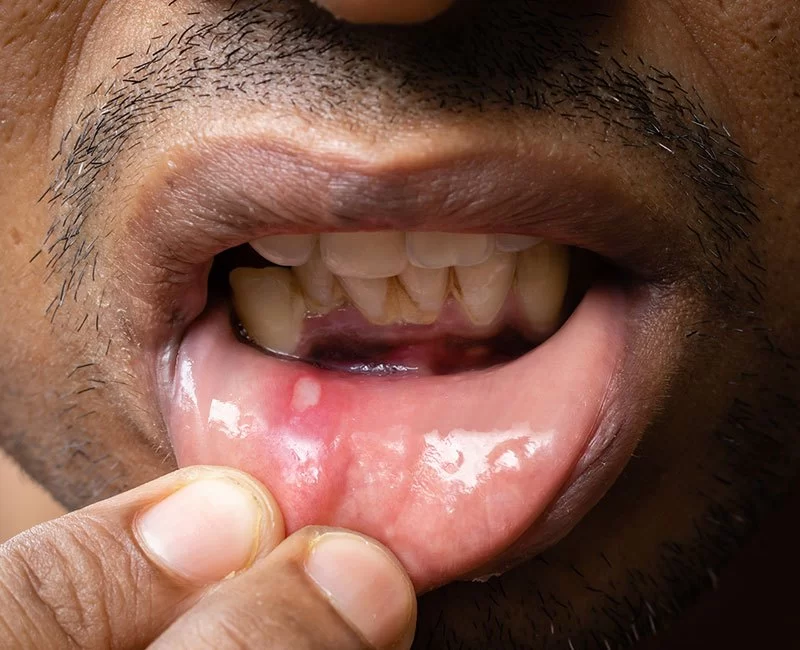
Does Bad Oral Hygiene Cause Mouth Ulcers?
Mouth ulcers, also known as canker sores, are a common issue that many people face at some point in their lives. While these painful sores can be caused by various factors, one significant contributor is poor oral hygiene. In this article, we will dive deep into the connection between bad oral hygiene and mouth ulcers, explain why these ulcers form, and explore effective ways to prevent and treat them.
Understanding Mouth Ulcers
Mouth ulcers are small, round or oval-shaped sores that can appear inside the mouth, including on the tongue, gums, cheeks, or the roof of the mouth. They can be quite painful, especially when eating, drinking, or talking. Although they are usually not serious, mouth ulcers can be a sign of underlying oral health issues and can make daily activities uncomfortable.
These ulcers are typically categorized into three types:
- Minor ulcers: The most common type, small in size, and usually heal within one to two weeks without scarring.
- Major ulcers: Larger and deeper than minor ulcers, these can take several weeks to heal and may leave scars.
- Herpetiform ulcers: These are clusters of very small ulcers that can appear in the mouth and take longer to heal.
While the exact cause of mouth ulcers is not always clear, several factors contribute to their development. Some of the most common causes include stress, hormonal changes, vitamin deficiencies, and yes, poor oral hygiene.
How Bad Oral Hygiene Contributes to Mouth Ulcers
Bad oral hygiene plays a major role in the development of mouth ulcers. When you neglect regular brushing and flossing, harmful bacteria and plaque can build up in the mouth, leading to irritation, infection, and inflammation. Here are a few ways poor oral hygiene can lead to mouth ulcers:
- Build-up of plaque: Plaque is a sticky film of bacteria that forms on your teeth and gums. If not removed by brushing and flossing, plaque can irritate the soft tissues in your mouth, making them more prone to developing ulcers.
- Gum disease: Poor oral hygiene can cause gingivitis (gum disease), which leads to swollen, bleeding gums. The inflammation and bacteria present can cause painful sores in the mouth.
- Increased bacterial growth: Bad oral hygiene creates a breeding ground for bacteria in the mouth, which can lead to infections that trigger mouth ulcers.
- Injury to the mouth: Brushing too hard or using a hard-bristled toothbrush can cause minor cuts or irritation in the mouth, leading to ulcers. Inadequate cleaning can also result in food particles or debris irritating the tissues inside your mouth.
Additionally, mouth ulcers can sometimes be a symptom of a more serious oral health problem, such as an untreated dental infection or a weakened immune system caused by poor nutrition. Maintaining good oral hygiene helps eliminate the factors that can lead to these painful sores.
How to Prevent Mouth Ulcers by Improving Your Oral Hygiene
The good news is that by practicing proper oral hygiene, you can significantly reduce the likelihood of developing mouth ulcers. Here are some simple steps to help maintain oral health and prevent these painful sores:
- Brush regularly: Brush your teeth at least twice a day with fluoride toothpaste. Use a soft-bristled toothbrush to avoid irritating the gums and soft tissues of the mouth.
- Floss daily: Flossing helps remove food particles and plaque from between your teeth and along the gumline. This reduces the chances of gum inflammation and plaque buildup.
- Use mouthwash: Rinse your mouth with an antimicrobial mouthwash to kill bacteria and help reduce the risk of infection that could lead to ulcers.
- Stay hydrated: Drinking plenty of water helps keep the mouth moist and prevents dryness, which can contribute to irritation and ulcer formation.
- Maintain a balanced diet: Eating a well-balanced diet rich in vitamins, especially B vitamins and zinc, can help keep your mouth healthy and support your immune system. Deficiencies in these nutrients can lead to mouth ulcers.
- Avoid irritants: If you notice certain foods, such as citrus fruits, spicy dishes, or acidic foods, trigger mouth ulcers, try to avoid them to reduce the risk of developing sores.
What to Do If You Get a Mouth Ulcer
If you do develop a mouth ulcer despite your best efforts, don’t panic. There are several ways to treat and alleviate the discomfort caused by these sores:
- Over-the-counter treatments: Apply an over-the-counter gel or ointment specifically designed for mouth ulcers. These products create a protective barrier over the ulcer and can help reduce pain.
- Saltwater rinse: Rinse your mouth with warm salt water to help clean the affected area and reduce inflammation.
- Stay away from irritants: Avoid acidic, spicy, or rough-textured foods that could irritate the ulcer and make it worse.
- Consult your dentist: If ulcers persist for more than two weeks or become severe, it’s important to consult a dentist. They can rule out underlying conditions and provide professional treatments.
By keeping up with your oral hygiene and following the above steps, you can significantly reduce your chances of developing mouth ulcers and maintain better overall oral health.
Remember, while mouth ulcers are common, they don’t have to be a frequent problem. With the right care and attention to your oral hygiene, you can minimize discomfort and prevent future outbreaks.




 Baldwin Park Dental Center4.0 (321 review)
 Kid's Choice Dental - Federal Way4.0 (790 review)
 Dr. Rimma Sheshelovskaya, DDS5.0 (2 review)
 Casady Square Orthodontics5.0 (851 review)
 Webster Dental Care4.0 (421 review)
 Grafton Dental Care4.0 (152 review)
 The Importance of Oral Health Education During Pregnancy for a Healthy Pregnancy
 Best Tips for Brushing Your Teeth Properly for Healthy Gums: Essential Techniques for Oral Health
 Why Skipping Dental Checkups Can Lead to Bigger Oral Health Problems
 Advantages of Porcelain Dental Restorations
 How Can Diabetes Cause Tooth and Gum Problems? Preventing and Managing Oral Health Issues
 Healthy Habits for Promoting Good Oral Health and Hygiene: Tips for a Healthy Smile