
Understanding the Connection Between Bad Oral Hygiene and Heart Disease
The question of whether bad oral hygiene causes heart disease has intrigued both medical professionals and the public alike. While the mouth and heart might seem unrelated, a growing body of research reveals a significant link between poor oral health and cardiovascular problems.
In the United States, heart disease remains the leading cause of death, making it crucial to explore all contributing factors, including the role of oral hygiene.
How Does Oral Hygiene Affect Heart Health?
1. The Role of Gum Disease in Cardiovascular Risk
One of the most studied connections is between periodontal (gum) disease and heart disease. Gum disease results from bacterial infections that inflame and damage the gums. These bacteria can enter the bloodstream through inflamed gum tissues, potentially contributing to inflammation in arteries and increasing the risk of heart attacks and strokes.
A notable study published by the American Heart Association emphasized that people with periodontal disease have a 20% higher risk of developing heart disease, showcasing how oral health can influence systemic health.
2. The Inflammatory Link
Both gum disease and heart disease involve inflammation. Chronic inflammation caused by oral bacteria can trigger an immune response, leading to plaque buildup in arteries, also known as atherosclerosis. This process narrows arteries, restricting blood flow and increasing the chance of cardiovascular events.
Signs of Poor Oral Hygiene That May Affect Your Heart
1. Persistent Gum Bleeding and Swelling
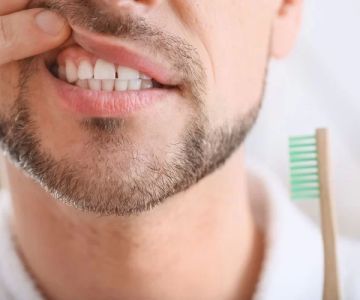
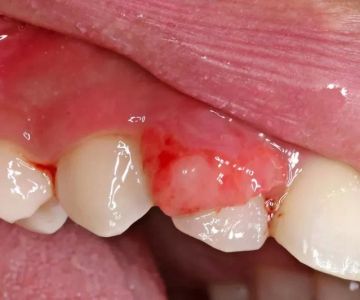
If your gums bleed regularly during brushing or flossing and appear red or swollen, these are signs of gingivitis or advanced periodontal disease. Ignoring these symptoms can increase systemic inflammation, indirectly affecting heart health.
2. Bad Breath and Loose Teeth
Chronic bad breath and loosening teeth are signals of severe gum disease. This progression indicates the presence of bacterial infections that can influence the body beyond the mouth.
Real Stories That Highlight the Oral-Heart Connection
Consider Mark, a 52-year-old who experienced his first mild heart attack. Upon thorough medical evaluation, doctors discovered he had untreated severe gum disease. After receiving intensive dental treatment and improving his oral hygiene routine, Mark’s inflammatory markers decreased significantly, and he has since taken proactive steps to protect both his heart and oral health.
Stories like Mark’s emphasize the importance of comprehensive health care that includes regular dental check-ups.
Preventive Strategies to Protect Both Oral and Heart Health
1. Maintain a Consistent Oral Hygiene Routine
Brush at least twice daily with fluoride toothpaste and floss regularly to remove plaque and bacteria. This basic care significantly reduces the risk of gum disease and its associated health impacts.
2. Regular Dental Visits
Routine dental cleanings and examinations help detect early signs of gum disease before it escalates. Early intervention is key to preventing systemic complications.
3. Healthy Lifestyle Choices
Avoid tobacco, limit alcohol consumption, eat a balanced diet, and manage stress. These lifestyle habits benefit both your oral cavity and cardiovascular system.
The Role of Dentistry Toothtruth in Your Health Journey
At Dentistry Toothtruth, we understand the critical link between oral hygiene and heart health. Our team offers expert guidance and comprehensive dental care tailored to reduce your risk factors and promote overall wellness. Through personalized plans, education, and advanced treatments, we support your journey toward a healthier mouth and heart.


 TMJ & Facial Pain Treatment Center4.0 (131 review)
 Complete Dental Care of Naples4.0 (145 review)
 Silkmann DDS5.0 (34 review)
 Merrimack Valley Orthodontics4.0 (34 review)
 White Smiles Family Dental4.0 (74 review)
 Silicon Valley Dental4.0 (214 review)
 The Importance of Oral Health Education During Pregnancy for a Healthy Pregnancy
 Best Tips for Brushing Your Teeth Properly for Healthy Gums: Essential Techniques for Oral Health
 Why Skipping Dental Checkups Can Lead to Bigger Oral Health Problems
 Advantages of Porcelain Dental Restorations
 How Can Diabetes Cause Tooth and Gum Problems? Preventing and Managing Oral Health Issues
 Healthy Habits for Promoting Good Oral Health and Hygiene: Tips for a Healthy Smile