
The Importance of Practicing Oral Hygiene Daily
Oral hygiene is not just about keeping your smile bright—it directly impacts your overall health. Studies in the United States have linked poor dental care to serious conditions such as heart disease, diabetes, and respiratory infections. A healthy mouth protects you from harmful bacteria entering your bloodstream and ensures your teeth last a lifetime. Many families are unaware that small daily practices can make the difference between strong teeth and chronic dental problems. By understanding the essential do’s and don’ts for oral hygiene, you can prevent costly dental treatments and enjoy better health. For additional guidance and professional support, visiting Family Dentistry Online can help you find services tailored to your needs.
Do Brush Your Teeth the Right Way
1. Correct Brushing Technique
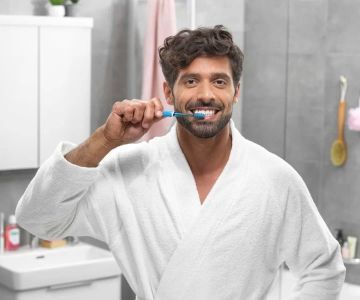
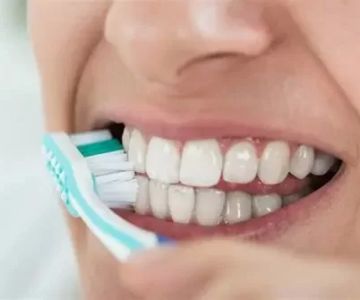
Brushing your teeth twice daily is one of the most basic oral hygiene practices, but many people still do it incorrectly. Dentists recommend using gentle circular motions rather than aggressive back-and-forth scrubbing. This ensures you clean plaque effectively without damaging your enamel or gums. Overbrushing is a common mistake—think of brushing as polishing your teeth, not scrubbing dishes. Replace your toothbrush every three months, or sooner if the bristles appear frayed.
2. Choosing the Right Toothpaste
Fluoride toothpaste is a must for most individuals as it strengthens enamel and prevents decay. For those with sensitive teeth, specialized toothpaste can reduce discomfort while still offering protection. In America, nearly 90% of toothpastes contain fluoride, yet many people skip it in favor of “natural” alternatives. Without fluoride, your teeth may be more vulnerable to cavities.
Don’t Skip Flossing
1. Why Flossing Matters
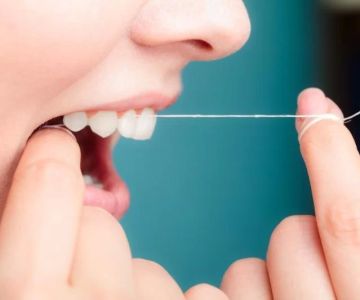
Flossing is one of the most overlooked parts of oral hygiene. Food particles and plaque easily get trapped between teeth where toothbrushes cannot reach. If left untreated, this buildup leads to gum disease and cavities. According to the American Dental Association, flossing once a day significantly reduces the risk of gingivitis and periodontal disease. Skipping flossing is like showering but ignoring to wash behind your ears—it leaves behind hidden dirt.
2. Avoid Incorrect Flossing Habits
Many people make the mistake of snapping the floss aggressively between their teeth, which can cause gum damage. Instead, gently slide the floss in a C-shape around each tooth and move it up and down. This technique cleans without harming the delicate gum tissue. If you find traditional floss difficult, floss picks or water flossers can be excellent alternatives.
Do Pay Attention to Your Diet
1. Foods That Strengthen Teeth
A balanced diet plays a big role in oral hygiene. Foods rich in calcium and vitamin D, such as milk, cheese, and leafy greens, strengthen tooth enamel and bones. Crunchy fruits and vegetables like apples and carrots naturally scrub your teeth and stimulate saliva production, which helps wash away bacteria.
2. Limit Sugary and Acidic Foods
On the other hand, excessive consumption of soda, candy, and acidic drinks like sports beverages erodes enamel and leads to cavities. In the U.S., sugary beverages are one of the top contributors to childhood cavities. Limiting these drinks and replacing them with water or unsweetened tea can significantly improve oral health.
Don’t Ignore Professional Dental Checkups
1. Importance of Regular Visits
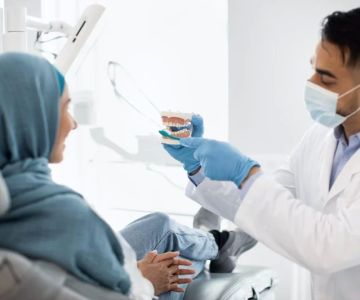
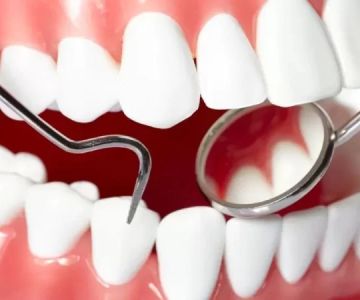
Even with perfect daily oral hygiene, professional checkups are essential. Dentists can identify problems like cavities, gum disease, or early signs of oral cancer before they become severe. In fact, many Americans only see the dentist when they feel pain, but preventative care saves money and avoids serious health risks. The recommended schedule is every six months for a cleaning and examination.
2. Case Example
Consider a Philadelphia resident named Mark who avoided dental visits for years, believing he was doing “enough” by brushing daily. By the time he went for a checkup, he needed costly root canals and crowns. His story highlights why professional care must complement daily routines. A quick cleaning twice a year could have saved him thousands of dollars and significant pain.
Do Use Mouthwash as a Complementary Step
1. The Benefits of Antimicrobial Rinses
Mouthwash should not replace brushing and flossing but can provide added protection. Antimicrobial rinses reduce plaque, fight gum disease, and freshen breath. For people with braces or bridges, mouthwash helps clean hard-to-reach areas. Fluoride-based rinses can also strengthen enamel.
2. Avoid Overuse of Alcohol-Based Mouthwash
However, not all mouthwashes are created equal. Alcohol-based options may cause dry mouth if used too frequently, creating an environment where bacteria thrive. It’s best to use them as directed and consult a dentist about the right choice for your needs.
Don’t Neglect Your Gums
1. The Connection Between Gums and Overall Health
Healthy gums are the foundation of oral hygiene. Gum disease has been linked to heart disease and other systemic illnesses. Early signs include bleeding during brushing and flossing, swelling, or persistent bad breath. Unfortunately, many Americans ignore these warning signs until gum disease progresses into a serious condition requiring treatment.
2. Daily Gum Care Habits
Gentle brushing along the gumline, flossing, and using an antibacterial rinse can prevent most gum problems. If you notice symptoms like bleeding gums, do not ignore them. A dentist can provide early intervention and prevent progression into periodontal disease. For families wanting expert advice and services, Family Dentistry Online is an excellent place to start.
Final Thoughts on Oral Hygiene Practices
Maintaining strong oral hygiene is about more than just fresh breath—it protects your entire health. By following the do’s like proper brushing, flossing, and regular checkups, while avoiding the don’ts such as overusing sugary drinks or ignoring gums, you can keep your smile healthy for life. Oral care is a daily commitment, but the rewards are worth it: confidence, health, and peace of mind. Remember, small consistent habits make the biggest difference.

 Miracle Mile Comprehensive Dental Center4.0 (82 review)
 Midland Park Family Dentistry5.0 (447 review)
 Absolute Dental - Lake Mead4.0 (332 review)
 Brandon L. Cairo, DMD, PC5.0 (103 review)
 Desire Dental Care4.0 (257 review)
 Metro Smiles Gage Park2.0 (36 review)
 The Importance of Oral Health Education During Pregnancy for a Healthy Pregnancy
 Best Tips for Brushing Your Teeth Properly for Healthy Gums: Essential Techniques for Oral Health
 Why Skipping Dental Checkups Can Lead to Bigger Oral Health Problems
 Advantages of Porcelain Dental Restorations
 How Can Diabetes Cause Tooth and Gum Problems? Preventing and Managing Oral Health Issues
 Healthy Habits for Promoting Good Oral Health and Hygiene: Tips for a Healthy Smile