
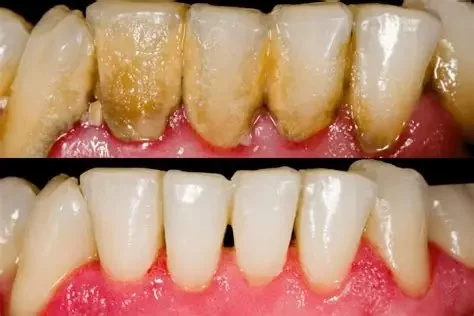
Do's and Don'ts for Oral Hygiene: Tips for a Healthy Smile
The Importance of Daily Oral Care
Good oral hygiene is more than just having fresh breath—it’s about protecting your teeth, gums, and overall health. In the U.S., dentists often stress that dental health is connected to conditions such as heart disease and diabetes. That means brushing and flossing daily is not only about keeping a bright smile but also about safeguarding long-term wellness. Many families who once overlooked simple habits later faced expensive treatments that could have been prevented with consistent oral care.
1 - Do Brush Your Teeth Properly
Brushing Twice a Day
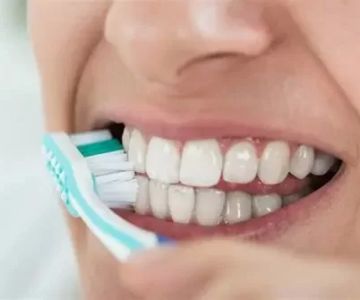
Brushing at least twice a day with fluoride toothpaste is the cornerstone of oral hygiene. Fluoride strengthens tooth enamel and helps fight cavities. Dentists recommend brushing for at least two minutes, making sure to reach all surfaces of the teeth.
Using the Right Technique
Using gentle circular motions rather than harsh scrubbing ensures teeth are cleaned without damaging the enamel or irritating gums. A soft-bristled toothbrush is best, and it should be replaced every three to four months. Patients who switched from aggressive brushing to a gentler method often noticed healthier gums within weeks.
2 - Don’t Skip Flossing
The Role of Flossing
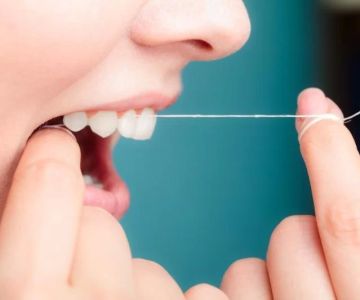
Flossing once a day removes food particles and plaque from between teeth where brushes cannot reach. Skipping flossing often leads to gum inflammation and cavities in hard-to-clean areas. A common story from dental practices is patients who brushed diligently but neglected flossing, only to discover hidden decay during routine checkups.
Flossing Tools
For those who find traditional floss difficult to use, water flossers or interdental brushes are excellent alternatives. These tools are especially helpful for people with braces or dental bridges. At Family Dentistry Online, you can find product recommendations to make flossing more convenient and effective.
3 - Do Maintain a Tooth-Friendly Diet
Foods That Protect Teeth
Calcium-rich foods like dairy, leafy greens, and almonds strengthen teeth. Crunchy fruits and vegetables, such as apples and carrots, naturally clean teeth surfaces and stimulate saliva production, which protects against bacteria.
What to Limit
Sugary drinks and snacks are among the leading causes of cavities. Acidic foods and sodas can erode enamel over time. Dentists often share cases where patients drastically improved oral health simply by reducing soda intake and replacing it with water.
4 - Don’t Ignore Regular Dental Checkups
Professional Cleanings
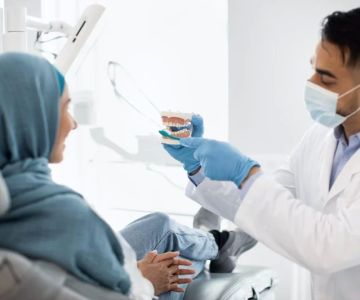
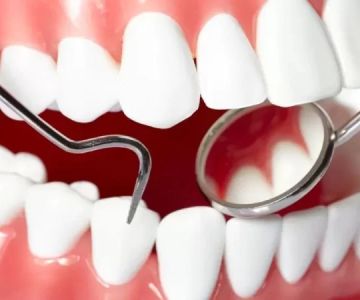
Visiting a dentist every six months for professional cleanings and exams is essential. Even with excellent home care, tartar can build up in areas that brushing and flossing miss. Early detection of issues such as cavities or gum disease can save patients from more serious and costly treatments later.
Real-Life Impact
One patient story often shared is of a young adult who skipped dental visits for years, only to develop advanced gum disease that required intensive treatment. Regular checkups could have prevented this outcome.
5 - Do Replace Harmful Habits
Avoid Smoking and Excessive Alcohol
Smoking is strongly linked to gum disease and oral cancers. Excessive alcohol use can also damage soft tissues in the mouth. Eliminating these habits not only improves oral health but also contributes to overall wellness. Many patients who quit smoking found their gums healthier and breath fresher within months.
Be Cautious with Teeth Grinding
Teeth grinding, or bruxism, can wear down enamel and lead to jaw pain. Dentists often recommend night guards for those affected, offering long-term protection against this damaging habit.
6 - Don’t Overlook Children’s Oral Hygiene
Start Early
Parents should begin cleaning their child’s gums even before the first tooth appears, gradually transitioning to brushing as teeth emerge. Instilling these habits early builds a strong foundation for lifelong oral health.
Fun and Engaging Practices
Making brushing a fun activity with songs or colorful toothbrushes encourages children to see oral care as part of their routine. Families who adopt these strategies often report fewer dental issues in childhood.
7 - Do Stay Informed and Proactive
Educating Yourself
Staying updated with dental advice ensures you understand the latest recommendations for oral care. Whether it’s learning about new tools like electric toothbrushes or exploring preventive treatments, knowledge empowers healthier choices.
Resources for Better Care
Websites such as Family Dentistry Online provide resources, services, and recommendations tailored to help patients of all ages maintain optimal oral hygiene. By staying proactive, families can avoid preventable dental problems and ensure healthier smiles for generations.


 D3 Dental of Horsham4.0 (342 review)
 Maple Grove Dental5.0 (264 review)
 Bright Now! Dental & Orthodontics3.0 (414 review)
 Affordable Dentures & Implants4.0 (757 review)
 McLemore Dentistry4.0 (330 review)
 All Star Dental Clinic4.0 (322 review)
 The Importance of Oral Health Education During Pregnancy for a Healthy Pregnancy
 Best Tips for Brushing Your Teeth Properly for Healthy Gums: Essential Techniques for Oral Health
 Why Skipping Dental Checkups Can Lead to Bigger Oral Health Problems
 Advantages of Porcelain Dental Restorations
 How Can Diabetes Cause Tooth and Gum Problems? Preventing and Managing Oral Health Issues
 Healthy Habits for Promoting Good Oral Health and Hygiene: Tips for a Healthy Smile