
1. The Role of Oral Surgeons in Gum Disease Treatment
Oral surgeons specialize in surgical procedures within the mouth, jaw, and face. When it comes to gum disease, particularly in advanced stages, oral surgeons often play a crucial role. While general dentists and periodontists typically handle initial gum disease management, oral surgeons become involved when surgical intervention is necessary to restore oral health.
For instance, in cases of severe periodontitis where non-surgical treatments fail, oral surgeons perform procedures such as flap surgery, bone grafting, and tissue regeneration to repair damage caused by the infection.
2. Understanding Gum Disease and Its Progression
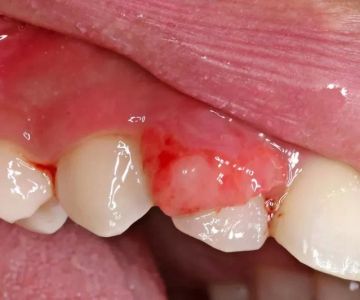
Gum disease, or periodontal disease, starts as gingivitis—characterized by inflammation and bleeding gums. Without treatment, it can progress to periodontitis, where the supporting structures of teeth including bone are affected. This progression leads to tooth mobility and potential tooth loss.
Early stages are managed with cleanings and improved oral hygiene. However, advanced cases require more specialized treatment, which may involve oral surgeons.
3. Surgical Procedures Oral Surgeons Perform for Gum Disease
Oral surgeons employ various surgical techniques to combat severe gum disease. Flap surgery involves lifting the gums to remove deep plaque and tartar deposits. Bone grafts replace lost bone to support teeth stability. Soft tissue grafts help restore gum tissue damaged by disease.
These surgeries aim to halt disease progression, restore function, and improve aesthetics.
4. Collaboration Between Dentists, Periodontists, and Oral Surgeons
Effective gum disease management often requires a multidisciplinary approach. General dentists monitor oral health and refer patients to periodontists or oral surgeons when necessary. Periodontists specialize in nonsurgical and surgical periodontal therapies, while oral surgeons focus on complex surgical interventions.
This collaboration ensures patients receive comprehensive care tailored to their condition.
5. Patient Experiences: Navigating Gum Disease Treatment
Consider the story of a patient in New York who struggled with chronic gum inflammation. After multiple cleanings with a dentist and periodontist, the disease progressed, leading to bone loss. Referral to an oral surgeon resulted in successful bone graft surgery and a marked improvement in oral health.
This case illustrates the importance of timely referrals and surgical treatment when indicated.
6. When to Seek Oral Surgery for Gum Disease
Patients should consider oral surgery when advised by their dental care team, particularly if non-surgical treatments are ineffective. Signs include deep periodontal pockets, persistent bleeding, gum recession, and tooth mobility.
Early intervention can prevent further damage and preserve natural teeth.
7. The Importance of Professional Guidance and Follow-Up Care
Successful treatment of gum disease involving oral surgery requires diligent follow-up care, including professional cleanings and strict oral hygiene practices. Oral surgeons provide postoperative care instructions and collaborate with dental teams to monitor healing.
Resources such as Dentistry Toothtruth offer detailed guidance and support for patients navigating periodontal treatment options.




 Windermere Orthodontics5.0 (99 review)
 Westbury Dental Spa4.0 (376 review)
 Milford Dentist Office4.0 (189 review)
 Ray Dental Group4.0 (338 review)
 Montclair Perio & Implant Specialists: Anne Hartnett, DDS0.0 (0 review)
 Absolute Dental - Flamingo4.0 (582 review)
 The Importance of Oral Health Education During Pregnancy for a Healthy Pregnancy
 Best Tips for Brushing Your Teeth Properly for Healthy Gums: Essential Techniques for Oral Health
 Why Skipping Dental Checkups Can Lead to Bigger Oral Health Problems
 Advantages of Porcelain Dental Restorations
 How Can Diabetes Cause Tooth and Gum Problems? Preventing and Managing Oral Health Issues
 Healthy Habits for Promoting Good Oral Health and Hygiene: Tips for a Healthy Smile