

Why Personalized Oral Hygiene Goals Matter
When developing personal oral hygiene goals for patients, it is essential to understand that no two individuals share the same needs. A teenager with braces, for example, faces very different challenges compared to an adult managing gum sensitivity or a senior living with dentures. Personalization ensures that each patient receives care instructions that address their unique situation, lifestyle, and risk factors. By tailoring oral hygiene goals, dental professionals help patients achieve not only cleaner teeth but also long-term oral health stability.
The Role of Education in Setting Oral Hygiene Goals
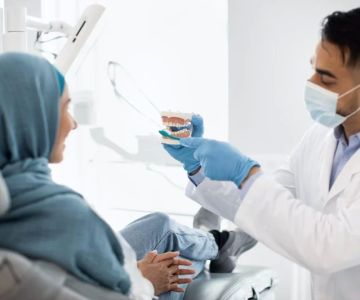
Education remains the cornerstone of effective patient care. Many patients know the basics—brushing twice a day and flossing regularly—but fewer understand the impact of diet, medication, or even stress on their oral health. By breaking down complex ideas into simple, actionable steps, dentists encourage patients to take ownership of their daily routines. For instance, explaining how sugary drinks contribute to enamel erosion can motivate teenagers to reduce soda consumption. This level of education transforms abstract advice into practical goals patients are motivated to achieve.
Practical Steps for Goal Development
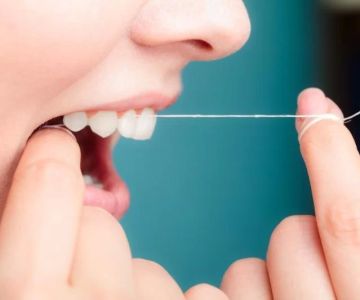
Creating personal oral hygiene goals requires structure. First, a dentist should assess the patient’s oral condition during routine checkups. Next, realistic objectives should be set. For some, this may mean reducing plaque buildup by improving brushing techniques, while others may need targeted goals like incorporating an antibacterial rinse to manage gingivitis. Finally, clear timelines and follow-up evaluations provide accountability. Patients who see measurable progress often feel empowered to continue and even expand their oral care efforts.
1. Assessing Patient Needs
An accurate assessment includes examining oral health history, lifestyle habits, and current oral conditions. Smokers, for example, may require more aggressive plaque control measures. Athletes who frequently consume energy drinks might need strategies to protect their enamel. These insights guide the creation of highly personalized oral hygiene plans.
2. Setting Realistic Goals
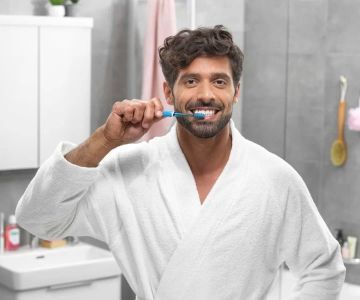
Setting achievable targets ensures patients stay motivated. A dentist may recommend starting with small changes such as flossing every other day for a patient who struggles with consistency. Over time, these small steps build into long-lasting habits. Realistic goals balance ambition with feasibility, ensuring patients remain engaged without feeling overwhelmed.
3. Tracking Progress
Tracking progress is just as important as setting goals. Regular dental visits allow professionals to monitor plaque levels, gum health, and cavity development. Patients who see improvement during checkups gain confidence in their routines. Using visual aids such as before-and-after images can further motivate patients to continue their efforts.
Real-Life Patient Stories That Inspire Change
Stories often inspire patients more than statistics. One young professional in Chicago, for instance, struggled with chronic bleeding gums until her dentist worked with her to develop a simple daily plan: brushing with a soft-bristled brush, flossing before bedtime, and rinsing with an alcohol-free mouthwash. Within three months, her gum health improved significantly, restoring her confidence. Another patient, a retired veteran, shared how setting small weekly goals helped him transition from inconsistent habits to a consistent oral hygiene routine. These stories remind patients that change is possible with guidance and persistence.
Overcoming Common Challenges
Despite good intentions, many patients face obstacles in achieving oral hygiene goals. Busy schedules, lack of motivation, or even dental anxiety can get in the way. Dentists can help by offering practical solutions such as recommending mobile apps for reminders, suggesting shorter but more frequent cleaning sessions, or creating supportive follow-up systems. Encouraging patients to celebrate small victories also plays a big role in keeping motivation alive.
Integrating Professional and At-Home Care
Personal oral hygiene goals are most effective when combined with professional care. Regular cleanings, fluoride treatments, and diagnostic exams enhance the efforts patients make at home. Dentists can identify issues patients may overlook, ensuring that oral care remains proactive rather than reactive. This combined approach not only improves health outcomes but also builds trust between patients and their providers.
How Family Dentistry Online Supports Patients
For patients seeking guidance beyond the clinic, Family Dentistry Online offers resources, expert insights, and personalized recommendations. Whether it’s learning about the best brushing techniques, understanding the latest dental care products, or finding tailored solutions to unique oral health concerns, this platform ensures patients have the tools they need to succeed. By connecting professional advice with accessible resources, Family Dentistry Online empowers individuals to create sustainable oral hygiene goals that truly improve their quality of life.

 TRU Dental PC4.0 (29 review)
 Shore Smiles 4 Kids5.0 (21 review)
 Angela Gum D.D.S.4.0 (86 review)
 Rhode Island Periodontics4.0 (694 review)
 Northpointe Dental Care5.0 (103 review)
 Gentle Dental Norco4.0 (118 review)
 The Importance of Oral Health Education During Pregnancy for a Healthy Pregnancy
 Best Tips for Brushing Your Teeth Properly for Healthy Gums: Essential Techniques for Oral Health
 Why Skipping Dental Checkups Can Lead to Bigger Oral Health Problems
 Advantages of Porcelain Dental Restorations
 How Can Diabetes Cause Tooth and Gum Problems? Preventing and Managing Oral Health Issues
 Healthy Habits for Promoting Good Oral Health and Hygiene: Tips for a Healthy Smile