
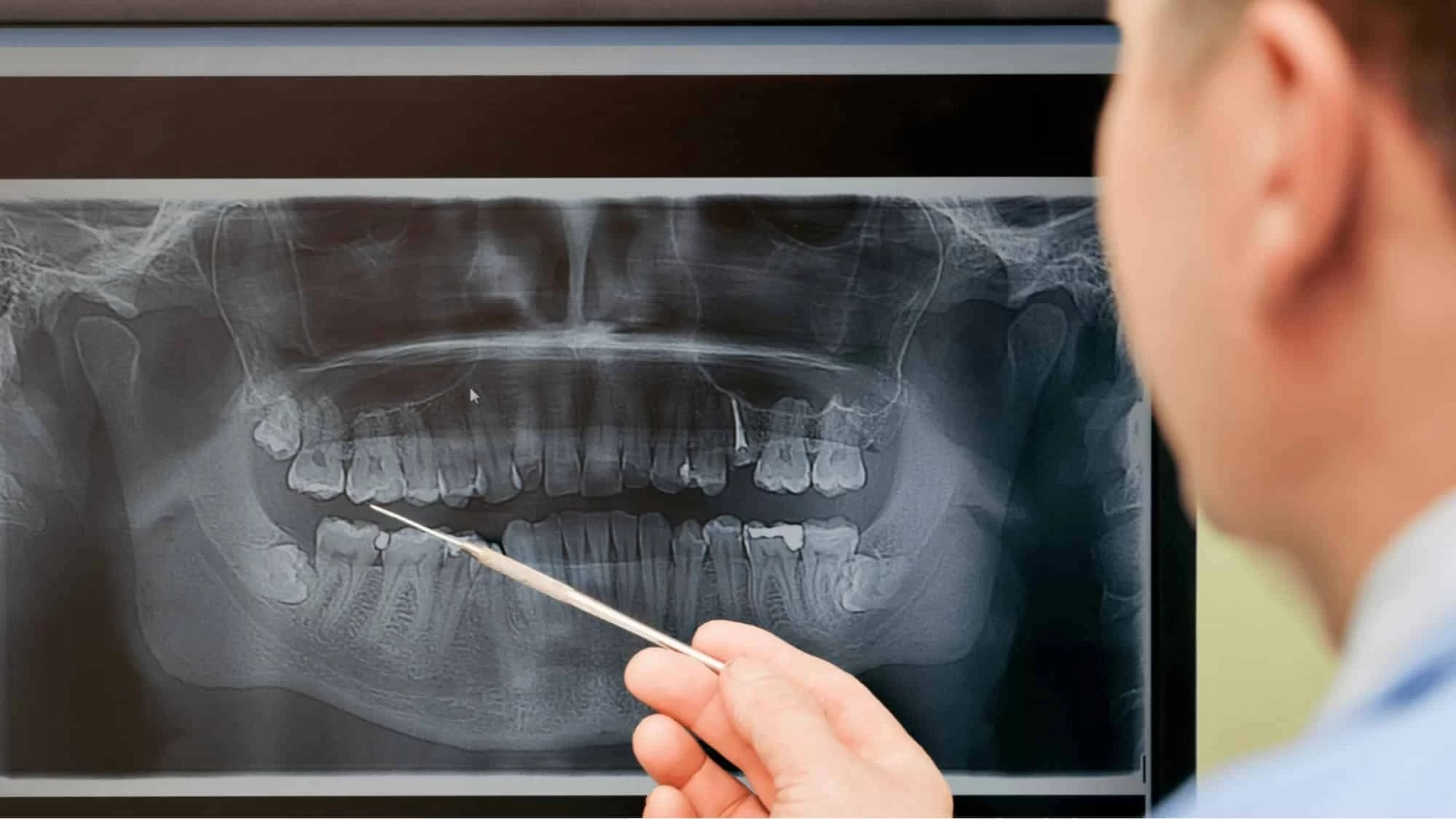
The Importance of Dental X-Rays and What They Detect – Essential for Early Diagnosis
- Why Dental X-Rays Are Crucial
- What Dental X-Rays Detect
- Common Conditions Detected by X-Rays
- The Benefits of Dental X-Rays
- When to Get Dental X-Rays
1. Why Dental X-Rays Are Crucial 🦷
Dental X-rays are an essential diagnostic tool in modern dentistry. They allow dentists to view the structures inside your mouth that aren’t visible to the naked eye. While regular checkups are vital for maintaining good oral health, X-rays provide a deeper insight into hidden dental issues. Without them, conditions like cavities, gum disease, or bone loss could go undetected until they become more severe.
Dental X-rays are non-invasive, quick, and extremely valuable for identifying problems early. These imaging techniques help in crafting personalized treatment plans and addressing potential issues before they worsen. In short, they’re an indispensable part of preventive care!
2. What Dental X-Rays Detect 🔍
Dental X-rays provide a comprehensive view of your teeth, gums, and jawbone. Here’s what they can detect:
- Cavities: Dental X-rays can show cavities that form between teeth or under existing fillings, even before you start experiencing pain.
- Infections: If you have an abscessed tooth or an infection at the root, X-rays can reveal the severity of the problem, allowing your dentist to address it promptly.
- Bone Loss: If you have gum disease, X-rays can show any bone loss around your teeth, which is crucial for determining the treatment necessary to save your teeth.
- Impacted Teeth: Wisdom teeth and other teeth that haven’t erupted properly may not be visible but can be detected through X-rays.
- Oral Tumors: Though rare, X-rays can help identify signs of oral tumors or cysts that may not yet show symptoms.
Thanks to these images, your dentist can catch issues early, saving you from more extensive treatments down the line.
3. Common Conditions Detected by X-Rays 🦷
Let’s take a closer look at the most common dental issues that X-rays can help detect:
- Tooth Decay: X-rays are excellent for detecting tooth decay, especially in places where it’s difficult to spot with the naked eye, like between teeth or under fillings.
- Gum Disease: Advanced gum disease may cause bone loss, which can be clearly seen in X-ray images. Early detection is key to preventing further damage.
- Root Damage: X-rays can reveal issues with the tooth’s root structure, such as infections or cracks, which can cause pain and tooth loss if untreated.
- Jawbone Issues: If you have pain in your jaw or difficulty chewing, X-rays can provide insight into potential problems such as jaw fractures or misalignments.
By detecting these conditions early, your dentist can intervene before they escalate into more serious problems, potentially saving you from costly treatments or tooth loss.
4. The Benefits of Dental X-Rays ✨
There are several significant benefits to having dental X-rays taken regularly:
- Early Detection: X-rays help catch dental problems early, before they become painful or expensive to fix.
- Non-Invasive: Dental X-rays are quick, painless, and non-invasive. No need for incisions or discomfort!
- Comprehensive View: They provide a comprehensive view of your teeth, gums, and jawbone, enabling your dentist to assess your oral health more thoroughly.
- Personalized Care: With the information from your X-rays, your dentist can create a tailored treatment plan that meets your specific needs.
Ultimately, dental X-rays contribute to a better understanding of your oral health, making it easier to prevent and treat issues before they worsen.
5. When to Get Dental X-Rays 📅
While dental X-rays are important, they are not necessary at every checkup for every patient. The frequency of X-rays depends on various factors, including your age, oral health, and any symptoms you're experiencing. For example:
- New Patients: If you’re visiting a new dentist, they may recommend a full set of X-rays to assess your overall oral health.
- Routine Checkups: For adults with healthy teeth, X-rays may be taken once every 1-2 years, depending on individual needs.
- High-Risk Patients: If you have a history of tooth decay, gum disease, or other oral health problems, your dentist may recommend more frequent X-rays to monitor any changes.
Your dentist will assess your specific needs and determine the best schedule for X-rays based on your oral health status. Rest assured, they’ll only recommend them when necessary to ensure your dental care is as effective as possible.
If you’re due for a dental check-up or need more information about dental X-rays and how they can benefit your oral health, visit Dentistry Toothtruth for expert dental advice and services.






 Copper Mountain Dental4.0 (51 review)
 Milford Family Dental4.0 (114 review)
 Eastern Dental4.0 (551 review)
 Signature Smiles4.0 (140 review)
 Gwynedd Family Dentistry4.0 (98 review)
 Temescal Dental of Corona0.0 (0 review)
 The Importance of Oral Health Education During Pregnancy for a Healthy Pregnancy
 Best Tips for Brushing Your Teeth Properly for Healthy Gums: Essential Techniques for Oral Health
 Why Skipping Dental Checkups Can Lead to Bigger Oral Health Problems
 Advantages of Porcelain Dental Restorations
 How Can Diabetes Cause Tooth and Gum Problems? Preventing and Managing Oral Health Issues
 Healthy Habits for Promoting Good Oral Health and Hygiene: Tips for a Healthy Smile