
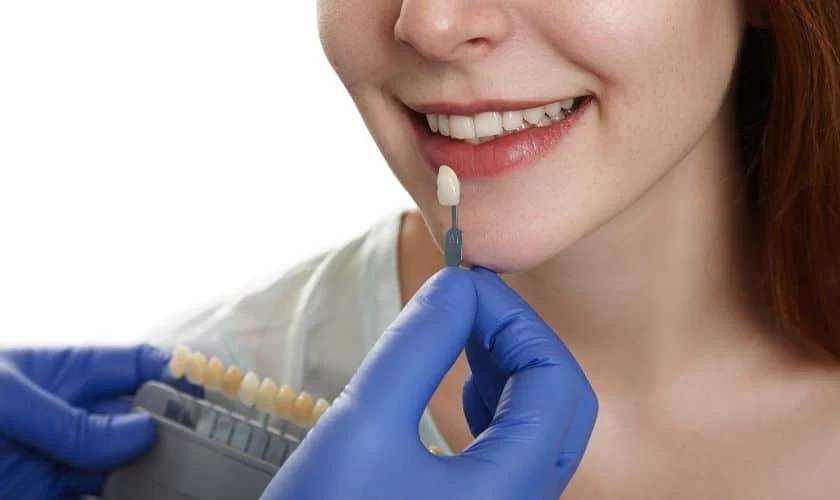
Transform Your Smile with Dental Veneers for Tooth Restoration
- What Are Dental Veneers?
- Types of Dental Veneers
- How Dental Veneers Restore Teeth
- Benefits of Dental Veneers
- The Dental Veneer Procedure: Step by Step
- Real-Life Cases & Success Stories
- Who Is a Good Candidate for Veneers?
- Caring for Your Dental Veneers
- Frequently Asked Questions About Dental Veneers
- Visit Dentistry Toothtruth for Expert Dental Care
What Are Dental Veneers?
Dental veneers are thin shells of porcelain or composite resin designed to cover the front surface of teeth. They are a popular choice for restoring damaged, discolored, or misshapen teeth, providing a natural and aesthetic appearance.
Types of Dental Veneers
There are two primary types of veneers:
- Porcelain Veneers: Durable and stain-resistant, offering a lifelike appearance.
- Composite Resin Veneers: More affordable and quicker to apply, but less durable than porcelain.
Choosing the right type depends on your dental needs, budget, and preferences.
How Dental Veneers Restore Teeth
Veneers work by covering imperfections on the tooth’s surface, such as:
- Chips and cracks.
- Discoloration or stains resistant to whitening treatments.
- Minor misalignments or gaps.
- Worn or uneven tooth edges.
They not only restore functionality but also boost your confidence with a flawless smile.
Benefits of Dental Veneers
Dental veneers offer numerous advantages, including:
- Natural Appearance: Custom-designed to match your teeth.
- Durability: Porcelain veneers can last over a decade with proper care.
- Stain Resistance: Porcelain is resistant to stains from coffee, wine, and smoking.
- Minimally Invasive: Requires less enamel removal compared to crowns.
The Dental Veneer Procedure: Step by Step
The process of getting veneers typically involves three steps:
- Consultation: Your dentist evaluates your oral health and discusses your goals.
- Preparation: A small amount of enamel is removed, and impressions of your teeth are taken.
- Placement: The custom veneers are bonded to your teeth using a special adhesive.
Real-Life Cases & Success Stories
Consider John, a professional speaker who felt self-conscious about his chipped front teeth. After getting porcelain veneers, he regained his confidence and received numerous compliments on his smile. His success story highlights the transformative power of veneers.
Who Is a Good Candidate for Veneers?
You may be a good candidate for veneers if you:
- Have healthy teeth and gums.
- Desire a permanent solution for aesthetic issues.
- Practice good oral hygiene.
However, severe tooth decay or gum disease must be addressed before proceeding with veneers.
Caring for Your Dental Veneers
To maximize the lifespan of your veneers, follow these tips:
- Brush and floss daily with non-abrasive toothpaste.
- Avoid biting on hard objects like ice or pens.
- Wear a mouthguard if you grind your teeth.
- Visit your dentist regularly for check-ups and cleanings.
Frequently Asked Questions About Dental Veneers
1. Do veneers look natural?
Yes, veneers are custom-made to match the color and shape of your teeth, ensuring a natural look.
2. Are veneers permanent?
While durable, veneers may need replacement after 10-15 years with proper care.
3. How much do veneers cost?
The cost varies depending on the material and number of veneers required. Consult your dentist for an estimate.
4. Can veneers fix crooked teeth?
Veneers can improve the appearance of mildly crooked teeth but won’t correct severe misalignments.
5. Is the veneer procedure painful?
Most patients experience minimal discomfort, and local anesthesia is used during preparation.
6. How long does the veneer procedure take?
The process typically requires two visits over a few weeks.
Visit Dentistry Toothtruth for Expert Dental Care
Ready to transform your smile? Visit Dentistry Toothtruth for professional guidance and high-quality dental veneer services. Schedule your consultation today and achieve the perfect smile you’ve always dreamed of!






 Bright Now! Dental & Orthodontics4.0 (221 review)
 Riverside Oral Surgery4.0 (250 review)
 Smile Doctors Orthodontics - Canton4.0 (181 review)
 Dr. Susan E. Henrickson, DMD, FAGD0.0 (0 review)
 A&B Scarsdale Family Dental Cosmetic Dentistry2.0 (81 review)
 Celebrate Dental & Braces5.0 (229 review)
 The Importance of Oral Health Education During Pregnancy for a Healthy Pregnancy
 Best Tips for Brushing Your Teeth Properly for Healthy Gums: Essential Techniques for Oral Health
 Why Skipping Dental Checkups Can Lead to Bigger Oral Health Problems
 Advantages of Porcelain Dental Restorations
 How Can Diabetes Cause Tooth and Gum Problems? Preventing and Managing Oral Health Issues
 Healthy Habits for Promoting Good Oral Health and Hygiene: Tips for a Healthy Smile