
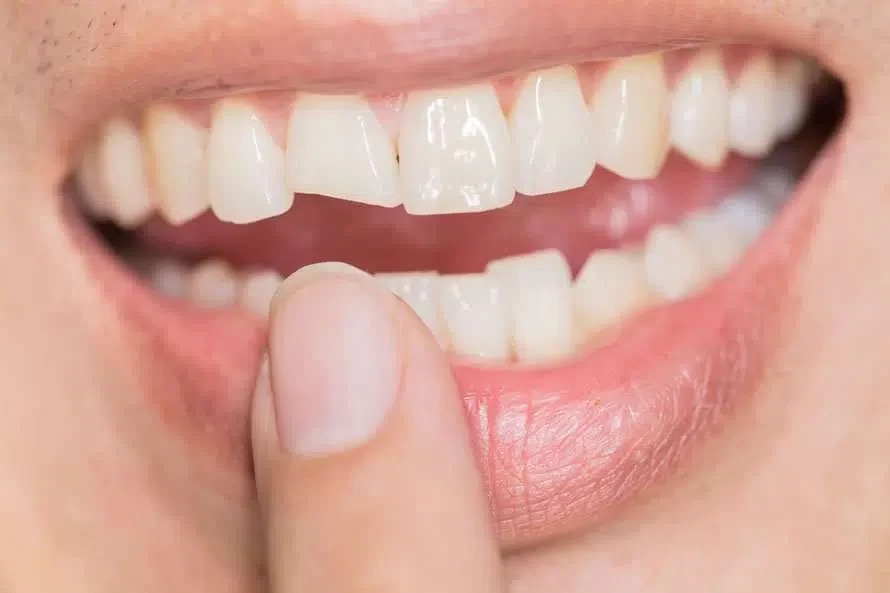
Dental Restoration for Cracked Teeth: Effective Treatment Options
- Understanding Cracked Teeth
- Types of Cracked Teeth
- Dental Restoration Options for Cracked Teeth
- Crowns for Cracked Teeth
- Bonding and Fillings for Cracked Teeth
- When to Seek Treatment for Cracked Teeth
Understanding Cracked Teeth
A cracked tooth can occur due to a variety of reasons such as trauma, grinding teeth, or even chewing on hard objects. While some cracks are barely noticeable, others can cause significant pain and discomfort. It's essential to recognize the symptoms of a cracked tooth and seek timely dental care to prevent further damage and infection.
Types of Cracked Teeth
There are different types of cracked teeth, each requiring different treatment approaches. The most common types include:
- Craze lines: Small, shallow cracks that typically don’t cause pain.
- Fractured cusps: A break in the tooth’s chewing surface, usually caused by an old filling.
- Split teeth: A more severe crack that divides the tooth into two parts.
- Vertical root fractures: Cracks that extend from the root upwards and may lead to infection.
Dental Restoration Options for Cracked Teeth
When dealing with a cracked tooth, dental restoration is often necessary to restore the tooth’s functionality and appearance. Depending on the severity of the crack, different options are available, such as crowns, fillings, or bonding. These treatments help prevent further damage and can reduce the risk of tooth loss.
Crowns for Cracked Teeth
Crowns are a popular solution for cracked teeth, especially for more extensive fractures. A crown is a cap that covers the tooth, providing strength and support. Dental crowns can be made from various materials, including porcelain, metal, or a combination of both, depending on the location and function of the tooth.
A crown is typically recommended if a large portion of the tooth has been damaged, or if there is a risk of further cracking or breaking.
Bonding and Fillings for Cracked Teeth
If the crack is minor, bonding or fillings may be the best option. Dental bonding involves the application of a tooth-colored resin to the cracked area, which is then hardened with a special light. This treatment is ideal for small cracks and can improve both the tooth's strength and appearance.
Fillings, which are similar to bonding but usually made of a more durable material, are also a great option for repairing cracks in the teeth. Both bonding and fillings are less invasive compared to crowns and can be completed in one visit to the dentist.
When to Seek Treatment for Cracked Teeth
If you suspect that you have a cracked tooth, it is crucial to consult a dentist as soon as possible. Ignoring a cracked tooth can lead to complications like infection, abscesses, or even tooth loss. Common signs that you need to seek treatment include:
- Pain when chewing or biting
- Sensitivity to temperature changes
- Visible cracks or chips on the tooth
- Swelling or discomfort in the surrounding gums
Seeking treatment promptly can help prevent further damage and ensure that your tooth is restored properly, minimizing the risk of complications.
How to Prevent Cracked Teeth
To prevent cracks in your teeth, consider the following tips:
- Avoid chewing on hard objects like ice, popcorn kernels, or hard candies.
- Wear a mouthguard if you grind your teeth at night.
- Visit your dentist regularly for checkups and cleanings.
- Maintain good oral hygiene by brushing and flossing daily to keep your teeth strong.
When to Contact a Dentist
If you notice any signs of tooth damage or discomfort, it’s essential to reach out to your dentist immediately. Early intervention can prevent more severe issues and ensure that your cracked tooth is treated effectively.
For more information on dental restoration options for cracked teeth, or to schedule an appointment, visit Dentistry Toothtruth for expert dental care and advice.

 Robert S. Radin, DDS4.0 (2 review)
 Family Dentistry of Westford4.0 (19 review)
 Brenda Evans Louka DDS (San Bernardino, CA)3.0 (17 review)
 All Family Dental and Braces4.0 (689 review)
 Long Beach Dental Arts, PC5.0 (2 review)
 Middletown Family Dental | Dentist in Middletown RI | DMD4.0 (247 review)
 The Importance of Oral Health Education During Pregnancy for a Healthy Pregnancy
 Best Tips for Brushing Your Teeth Properly for Healthy Gums: Essential Techniques for Oral Health
 Why Skipping Dental Checkups Can Lead to Bigger Oral Health Problems
 Advantages of Porcelain Dental Restorations
 How Can Diabetes Cause Tooth and Gum Problems? Preventing and Managing Oral Health Issues
 Healthy Habits for Promoting Good Oral Health and Hygiene: Tips for a Healthy Smile