
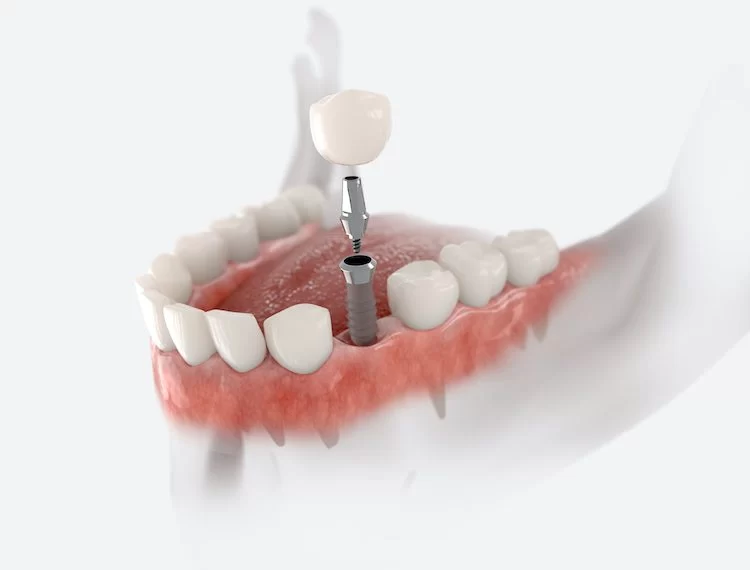
How Do Dental Implants Integrate with the Jawbone? Understanding the Fusion Process
- What Are Dental Implants?
- How Do Dental Implants Integrate with the Jawbone?
- The Process of Implant Integration with the Jawbone
- Why Jawbone Integration is Crucial for Implant Success
- Tips for Ensuring Successful Implant Integration
1. What Are Dental Implants?
Dental implants are a modern and effective solution for replacing missing teeth. They are titanium posts or screws that are surgically placed into the jawbone to support artificial teeth like crowns, bridges, or dentures. Unlike traditional dentures, dental implants offer a permanent, secure option that feels and functions like natural teeth.
The key advantage of dental implants is their ability to integrate with the jawbone, a process known as osseointegration. This process makes implants more stable and durable compared to other dental solutions, providing long-term benefits for patients with missing teeth.
2. How Do Dental Implants Integrate with the Jawbone?
The integration of dental implants with the jawbone is a fascinating process that relies on the body’s natural healing abilities. When a dental implant is placed into the jawbone, it begins to fuse with the bone through a process called osseointegration. Over time, the titanium implant bonds with the bone, creating a strong and stable foundation for the replacement tooth.
This integration process is critical because it ensures that the implant remains secure and functional for many years. Titanium is used for implants due to its biocompatibility, meaning it is highly accepted by the body, making the fusion between the implant and jawbone seamless.
For example, Jane, a 40-year-old woman who had lost a tooth due to an accident, received a dental implant. After a few months, her dentist confirmed that the implant had successfully integrated with her jawbone, restoring both her smile and the function of her tooth.
3. The Process of Implant Integration with the Jawbone
The process of dental implant integration can be broken down into several key stages:
- Consultation and Planning: The first step is to consult with your dentist, who will assess the condition of your jawbone and determine if you are a suitable candidate for dental implants.
- Surgical Placement: The implant is surgically placed into the jawbone. This procedure is typically done under local anesthesia, and a small incision is made in the gum to expose the bone.
- Healing and Osseointegration: After the implant is placed, the healing process begins. Over the next few months, the bone gradually fuses with the implant. This process can take anywhere from 3 to 6 months, depending on the patient's health and bone condition.
- Attachment of the Abutment: Once the implant has integrated with the bone, an abutment is attached to the implant. This piece connects the implant to the artificial tooth.
- Final Restoration: Finally, a custom-made crown, bridge, or denture is attached to the abutment, completing the restoration process.
This gradual process ensures that the implant becomes a permanent and stable part of your jaw, offering long-lasting benefits and enhanced functionality.
4. Why Jawbone Integration is Crucial for Implant Success
Jawbone integration is a critical part of the dental implant process for several reasons:
- Stability and Durability: Proper integration allows the implant to remain stable, providing a solid foundation for the artificial tooth.
- Preventing Bone Loss: The process of osseointegration helps prevent bone resorption, which can occur when a tooth is lost. The implant stimulates the bone, keeping it healthy and preventing further deterioration.
- Improved Functionality: With a successful jawbone integration, the dental implant can function like a natural tooth, allowing for normal chewing and speaking without discomfort.
Without proper integration, the implant may not be secure, leading to potential complications and failure. This is why it’s crucial to follow the post-surgery care instructions provided by your dentist.
5. Tips for Ensuring Successful Implant Integration
While dental implants are generally very successful, certain factors can influence the success of the integration process. Here are some tips to help ensure your dental implants integrate well with your jawbone:
- Follow Aftercare Instructions: After the implant surgery, it’s essential to follow your dentist’s aftercare instructions to promote healing and prevent infection.
- Avoid Smoking: Smoking can impair the healing process and reduce the chances of successful integration. If possible, refrain from smoking during the healing period.
- Maintain Oral Hygiene: Keeping your mouth clean is critical for the success of your implants. Brush and floss regularly, and consider using an antimicrobial mouthwash.
- Healthy Diet: Eating a balanced diet rich in vitamins and minerals can support the healing process and promote better integration of the implant with the bone.
By taking these steps, you can help ensure that your dental implants integrate successfully and provide you with a durable, long-lasting solution for missing teeth.
If you are considering dental implants, Dentistry Toothtruth offers comprehensive consultations and services to help you restore your smile. Visit Dentistry Toothtruth for more information and to schedule an appointment today!



 Lightfoot Center for Laser Periodontics5.0 (69 review)
 West Covina Dental Group and Orthodontics4.0 (274 review)
 Highland Dental Arts4.0 (104 review)
 MapleTree Pediatric Dentistry4.0 (102 review)
 Devon Dental Associates4.0 (61 review)
 Saddle Brook Dentist4.0 (125 review)
 The Importance of Oral Health Education During Pregnancy for a Healthy Pregnancy
 Best Tips for Brushing Your Teeth Properly for Healthy Gums: Essential Techniques for Oral Health
 Why Skipping Dental Checkups Can Lead to Bigger Oral Health Problems
 Advantages of Porcelain Dental Restorations
 How Can Diabetes Cause Tooth and Gum Problems? Preventing and Managing Oral Health Issues
 Healthy Habits for Promoting Good Oral Health and Hygiene: Tips for a Healthy Smile