
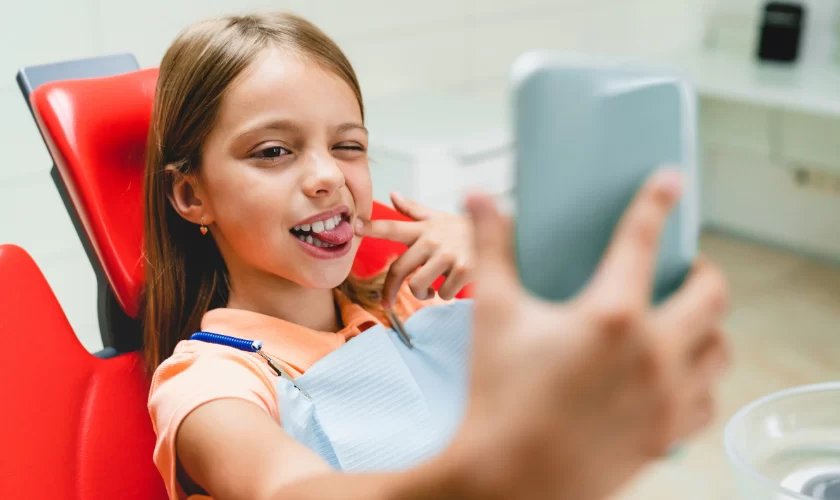
Dental Hygiene Education: Why It's Essential for Lifelong Oral Health
- 1. Understanding Dental Hygiene Education
- 2. The Importance of Dental Hygiene in Early Life
- 3. How to Teach Kids About Dental Hygiene
- 4. Dental Hygiene Education in Schools
- 5. Real-Life Examples of Effective Dental Hygiene Education
1. Understanding Dental Hygiene Education
Dental hygiene education is an essential part of promoting good oral health. It focuses on teaching individuals, especially children, the proper techniques for brushing, flossing, and maintaining a healthy mouth. Education on dental hygiene ensures that people understand the importance of these practices in preventing cavities, gum disease, and other oral health issues.
Proper dental hygiene education helps to form habits that last a lifetime. It's never too early to start learning about oral health, and in fact, the earlier children are introduced to dental care, the more likely they are to adopt healthy habits as they grow up.
2. The Importance of Dental Hygiene in Early Life
Starting dental hygiene education early is crucial. Many oral health issues can be prevented with the right habits, and these habits are often formed in childhood. The American Dental Association recommends that children see a dentist by their first birthday, and by the age of 3, they should begin brushing their teeth with fluoride toothpaste twice a day.
By instilling good dental hygiene practices from an early age, children are less likely to develop tooth decay, gum disease, or other oral problems later in life. Educating kids about the importance of brushing, flossing, and eating healthy foods sets them up for long-term oral health success.
3. How to Teach Kids About Dental Hygiene
Teaching children about dental hygiene doesn't have to be a chore—it can be fun! Using engaging tools like colorful toothbrushes, fun toothpaste, and dental apps can make brushing and flossing more exciting for kids. You can also make it a family activity where everyone brushes together, making it a routine rather than a task.
Explaining why dental hygiene is important, in terms kids can understand, is crucial. You can tell them that brushing helps to keep their teeth strong and their smile bright, and that eating sugary foods without brushing can cause cavities. For younger children, consider using storybooks or videos to help them understand the importance of taking care of their teeth.
4. Dental Hygiene Education in Schools
Many schools are incorporating dental hygiene education into their curricula, which helps reinforce the importance of oral health outside the home. By providing children with information about brushing, flossing, and healthy eating habits, schools can play an essential role in shaping children’s attitudes toward oral hygiene.
In addition to the classroom, dental professionals may visit schools to perform screenings and teach kids proper techniques. These programs also often include providing students with free dental supplies, like toothbrushes and floss, which encourages them to maintain their oral health practices at home.
5. Real-Life Examples of Effective Dental Hygiene Education
One example is the “Smiles for Life” program, which works in schools to educate children on proper dental care. This program has seen great success in reducing cavities among participating students by providing education, dental check-ups, and free toothbrushes. Students who are part of this program are more likely to maintain consistent oral hygiene habits and visit the dentist regularly.
Another example comes from a study where children in underserved communities were taught about dental hygiene through a hands-on approach. They learned how to brush and floss correctly using interactive demonstrations and dental kits provided by the program. The results showed a significant decrease in cavities and other oral health issues within the group.
These real-life examples show the power of education in shaping healthier dental habits and improving overall oral health outcomes. By starting dental hygiene education early and making it a part of children’s daily lives, we can ensure better oral health in the long term.
If you are looking for more tips on how to maintain excellent dental hygiene, consider visiting [Dentistry Toothtruth](https://familydentistryonline.net), where you can find expert advice and products that promote healthy smiles.






 Orthodontic Care of Washington - Tacoma4.0 (327 review)
 Legacy Dental Care4.0 (26 review)
 Warren C. Baine, DMD5.0 (36 review)
 Barkley Pediatric Dentistry4.0 (352 review)
 Millennium Park Smiles4.0 (179 review)
 California Dental Group Bellflower4.0 (99 review)
 The Importance of Oral Health Education During Pregnancy for a Healthy Pregnancy
 Best Tips for Brushing Your Teeth Properly for Healthy Gums: Essential Techniques for Oral Health
 Why Skipping Dental Checkups Can Lead to Bigger Oral Health Problems
 Advantages of Porcelain Dental Restorations
 How Can Diabetes Cause Tooth and Gum Problems? Preventing and Managing Oral Health Issues
 Healthy Habits for Promoting Good Oral Health and Hygiene: Tips for a Healthy Smile