
Dental Clinic Referrals: A Complete Guide to Finding the Right Specialist for Your Needs
- 1. Why Dental Clinic Referrals Are Important
- 2. How to Get a Dental Referral
- 3. Top Reasons for Dental Referrals
- 4. Choosing the Right Specialist After a Referral
- 5. Common Questions About Dental Referrals
1. Why Dental Clinic Referrals Are Important
Dental clinic referrals are often essential when a general dentist identifies a specific problem that requires specialized attention. Whether it’s for advanced procedures like root canals, implants, or orthodontics, a referral helps guide you to the right professional with the expertise to manage your unique needs.
1.1 Access to Specialized Care
Not all dental professionals are equipped to handle complex or specialized dental issues. By referring you to a clinic or specialist with the right skills and equipment, your general dentist ensures you get the best possible care.
1.2 Improved Treatment Outcomes
When you are referred to a specialist, they can offer a higher level of expertise in treating specific conditions. This can lead to more successful treatments and better long-term outcomes for your oral health.
2. How to Get a Dental Referral
Getting a dental referral is a relatively straightforward process. Here’s how it typically works:
2.1 Speak with Your General Dentist
If you have a dental issue that requires a specialist’s care, start by discussing it with your general dentist. They will assess your condition and decide whether a referral is necessary.
2.2 Types of Referrals
Your dentist may refer you to various specialists, such as periodontists for gum issues, orthodontists for braces, or oral surgeons for complex surgeries. Each type of specialist focuses on a specific area of dental care.
2.3 Referral Process and Insurance
After the referral, your dentist may help you with the paperwork or make the initial contact with the specialist. It’s also important to check with your insurance provider to confirm that the referred dental clinic or specialist is covered by your plan.
3. Top Reasons for Dental Referrals
Dental referrals are often necessary for issues beyond the scope of general dental care. Here are some common reasons you might be referred to a dental specialist:
3.1 Complex Root Canals
When a root canal is more complicated, involving multiple canals or infection, your dentist may refer you to an endodontist. This specialist has the training and tools to ensure the procedure is done correctly.
3.2 Tooth Implants and Restorations
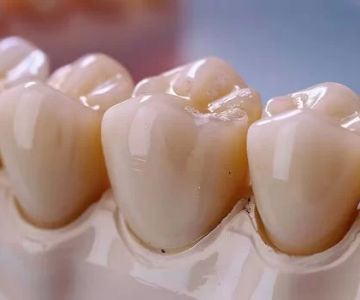
If you require tooth implants or other restorative procedures, a prosthodontist is usually the specialist you’ll be referred to. They can create crowns, bridges, dentures, and other dental prosthetics to restore function and aesthetics to your smile.
3.3 Orthodontic Care
If your teeth or jaw alignment need correction, your dentist might refer you to an orthodontist for braces or other devices to straighten your teeth and improve your bite.
3.4 Periodontal Treatments
For more advanced gum disease treatments, your dentist might refer you to a periodontist. This specialist focuses on treating gum diseases, including performing surgeries for severe cases of gum recession or bone loss.
4. Choosing the Right Specialist After a Referral
Once you have received a referral to a specialist, it’s important to choose the right one for your needs. Here’s how to make an informed decision:
4.1 Research the Specialist’s Credentials
Check the specialist’s qualifications, certifications, and experience. Look for reviews from other patients, and confirm they are licensed by the relevant dental board.
4.2 Consider Location and Convenience
Consider the location of the specialist’s office and how convenient it is for you to visit. Accessibility is key for making sure you don’t miss follow-up appointments.
4.3 Check Insurance Coverage
Before scheduling your appointment, verify whether the specialist is covered by your dental insurance plan. This can save you money and help you plan for any out-of-pocket costs.
5. Common Questions About Dental Referrals
If you’ve never been referred to a specialist before, you may have some questions. Here are answers to some common concerns:
5.1 Can I Choose My Own Specialist?
In most cases, you have the option to choose your own specialist. However, it’s recommended to go with the one your general dentist refers, as they have experience working with specific professionals.
5.2 Are Referrals Always Necessary?
Not all dental issues require a referral. For routine checkups, cleanings, and minor fillings, you can rely on your general dentist. However, more complex issues often require specialized care.
5.3 How Long Does It Take to Get an Appointment with a Specialist?
Depending on the specialist and your location, wait times can vary. It’s a good idea to contact the dental clinic immediately after receiving the referral to schedule your appointment and discuss potential wait times.



 H.S. Dental formerly Kane Dental of Huntington4.0 (263 review)
 Kocian Family Dental5.0 (486 review)
 Divine Dentistry4.0 (434 review)
 Amber L. Pearson, DDS3.0 (2 review)
 Bright Now! Dental & Orthodontics4.0 (384 review)
 Lakeside Dental4.0 (251 review)
 The Importance of Oral Health Education During Pregnancy for a Healthy Pregnancy
 Best Tips for Brushing Your Teeth Properly for Healthy Gums: Essential Techniques for Oral Health
 Why Skipping Dental Checkups Can Lead to Bigger Oral Health Problems
 Advantages of Porcelain Dental Restorations
 How Can Diabetes Cause Tooth and Gum Problems? Preventing and Managing Oral Health Issues
 Healthy Habits for Promoting Good Oral Health and Hygiene: Tips for a Healthy Smile