
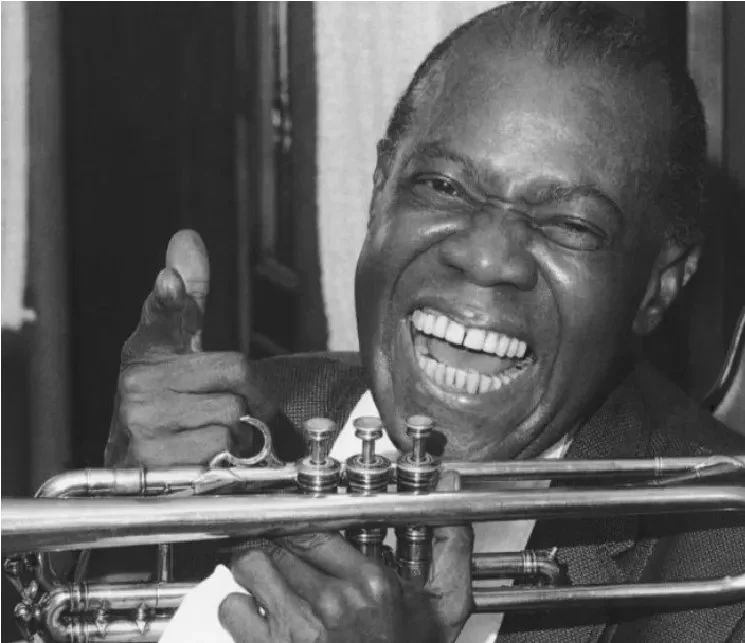
- dental-care-challenges-for-musicians
- how-wind-instruments-affect-teeth-and-jaw
- daily-oral-care-routine-for-musicians
- protective-solutions-for-wind-players
- real-life-stories-from-professional-musicians
- long-term-dental-health-strategies
Dental Care Challenges for Musicians
Dental care for musicians is a specialized concern that often gets overlooked, especially among those who play wind instruments like trumpets, clarinets, saxophones, flutes, and trombones. These instruments require constant mouth pressure, controlled airflow, and precise lip positioning, which can silently impact teeth, gums, and jaw alignment over time.
Unlike typical dental patients, musicians repeatedly apply force to the same areas of their mouth for hours each day. This repetitive strain can accelerate enamel wear, shift tooth positioning, strain jaw joints, and even contribute to chronic pain. Many musicians ignore these warning signs because the damage develops slowly and doesn’t always cause immediate discomfort.
Dental professionals across the United States now see a growing number of wind players seeking specialized care due to bite changes, gum sensitivity, and jaw fatigue. This has made dental care for musicians an increasingly important topic in preventive dentistry.
How Wind Instruments Affect Teeth and Jaw
1. Constant Pressure on Front Teeth
Most wind instruments rely heavily on pressure applied to the front teeth. For brass players, the mouthpiece rests directly against the lips and transfers force to the incisors. Over time, this can lead to gradual tooth shifting, enamel thinning, and sensitivity.
2. Risk of Jaw Joint Disorders
Musicians frequently develop tension in the temporomandibular joint, commonly known as TMJ. Holding a rigid embouchure for long rehearsals can strain the jaw muscles and joints, causing clicking, stiffness, headaches, and facial pain.
3. Increased Dry Mouth and Acid Exposure
Long performances reduce natural saliva production, leading to dry mouth. Saliva normally neutralizes acids and protects enamel, so its reduction increases the risk of cavities and gum disease. Mouth breathing during play worsens this effect.
Daily Oral Care Routine for Musicians
1. Brushing with Enamel-Safe Toothpaste
Musicians should use fluoride toothpaste designed for enamel reinforcement at least twice daily. This helps protect teeth from erosion caused by constant pressure and acid exposure.
2. Flossing to Prevent Hidden Decay
Food particles trapped between teeth become more dangerous when combined with reduced saliva flow. Daily flossing removes plaque from hard-to-reach areas that brushing alone cannot reach.
3. Hydration Before and After Practice
Drinking water frequently helps maintain saliva levels and flush out acids. Many professional musicians now keep water bottles within easy reach during rehearsals for this exact reason.
Protective Solutions for Wind Players
1. Custom Dental Guards for Musicians
Unlike sports mouthguards, musician-specific dental guards are designed to protect teeth without interfering with embouchure. These devices reduce pressure strain while preserving sound quality.
2. Bite Assessments and Alignment Checks
Regular bite evaluations allow dentists to detect early shifts in tooth position caused by instrument pressure. Small corrections made early can prevent complex orthodontic problems later.
3. Instrument Hygiene and Oral Health
Wind instruments collect moisture, bacteria, and fungi. Poor instrument cleaning can reintroduce harmful microbes directly into the mouth, increasing oral infection risk.
Real-Life Stories From Professional Musicians
A New York-based trumpet player once shared how subtle front tooth movement nearly ended his touring career. After years of daily rehearsals without dental monitoring, trauma to his incisors caused shifting that changed his embouchure and tone control. His recovery required months of dental correction and specialized protective treatments.
Another professional clarinetist from California noticed chronic jaw pain that worsened after concerts. A dental evaluation revealed advanced TMJ strain caused by prolonged embouchure tension. With guided therapy and dental adjustments, she was able to return to performing without pain.
Stories like these highlight why dental care for musicians is not optional—it is career preservation.
Long-Term Dental Health Strategies
Consistent dental monitoring is essential for musicians who rely on their mouth as part of their profession. Preventive cleanings every six months help identify early enamel erosion, gum irritation, and bite misalignment before severe damage develops.
Musicians should always inform their dentist about the specific instrument they play, how many hours they practice, and what symptoms they experience during and after performances. This allows the dentist to tailor a care plan that matches their artistic demands.
Many performers across the U.S. turn to Family Dentistry Online to explore educational resources, preventive care solutions, and professional guidance designed for musicians’ unique dental needs.
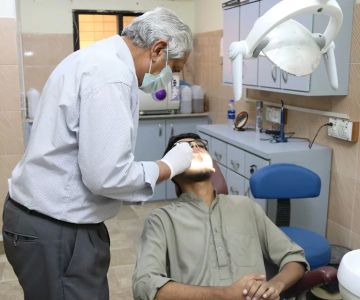
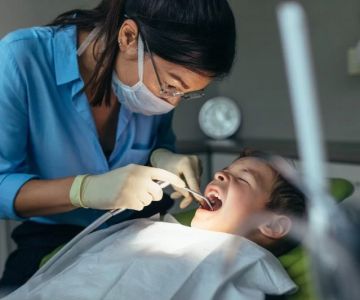

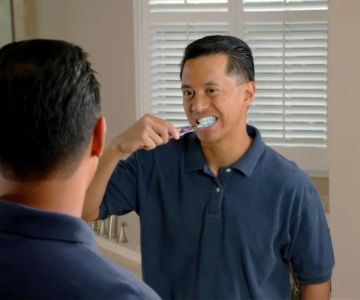

 Dental Care 2000 Plus, West Foothill Boulevard, Monrovia, CA4.0 (17 review)
 Lake Pleasant Kids’ Dentists and Orthodontics4.0 (48 review)
 Dentistry At Suburban Square: Michael I. Wollock, DMD4.0 (1228 review)
 Renovo Endodontic Studio4.0 (881 review)
 Norton Family Dental4.0 (747 review)
 Thai & Kiourtsis Orthodontics5.0 (66 review)
 The Importance of Oral Health Education During Pregnancy for a Healthy Pregnancy
 Best Tips for Brushing Your Teeth Properly for Healthy Gums: Essential Techniques for Oral Health
 Why Skipping Dental Checkups Can Lead to Bigger Oral Health Problems
 Advantages of Porcelain Dental Restorations
 How Can Diabetes Cause Tooth and Gum Problems? Preventing and Managing Oral Health Issues
 Healthy Habits for Promoting Good Oral Health and Hygiene: Tips for a Healthy Smile