
The Complete Guide to the Dental Bonding Process: How It Works and What to Expect
- What is Dental Bonding?
- The Dental Bonding Procedure: Step-by-Step
- Benefits of Dental Bonding
- Dental Bonding Aftercare
- Real-Life Experiences with Dental Bonding
- Why Choose Dental Bonding: Find the Best Options
What is Dental Bonding?
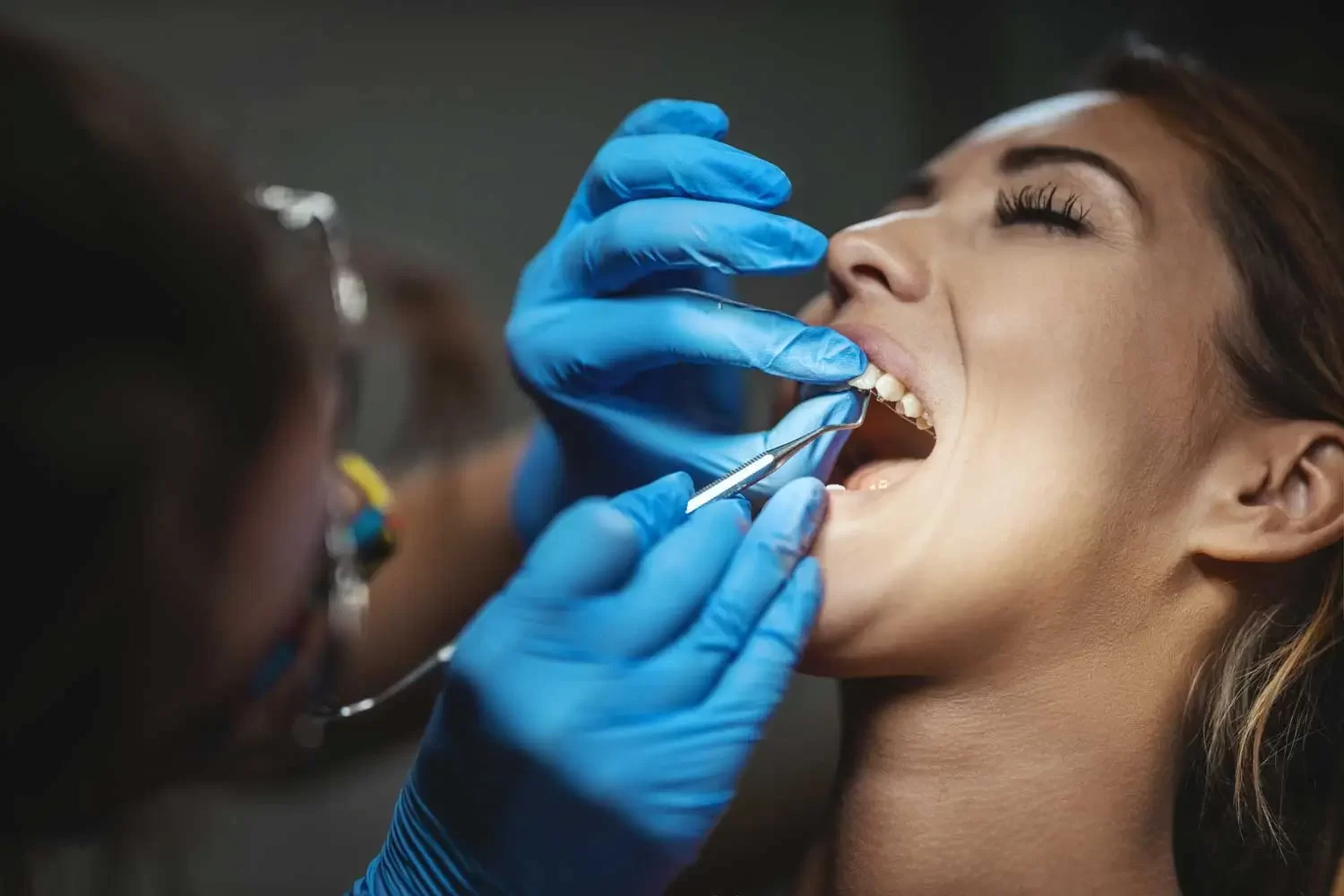
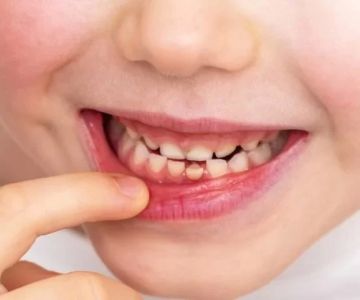
Dental bonding is a popular cosmetic dental procedure that can fix a variety of dental imperfections, including chips, cracks, gaps, and discoloration. During the process, a tooth-colored resin is applied to the surface of your teeth and hardened using a special light. This procedure can restore the appearance of your teeth, providing you with a more natural and beautiful smile.
The Dental Bonding Procedure: Step-by-Step
The dental bonding process is relatively simple and can usually be completed in just one visit to your dentist. Here are the basic steps involved:
- Preparation: Your dentist will clean your tooth and prepare it for bonding by roughening the surface slightly. This helps the bonding resin adhere better to the tooth.
- Resin Application: The dentist will choose a resin color that matches your natural teeth and apply it to the surface of the tooth.
- Shaping: The dentist will carefully shape the resin to blend seamlessly with your natural tooth structure.
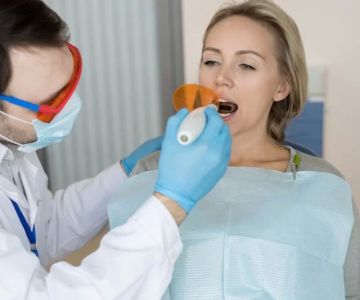
- Curing: The resin is then hardened using a special ultraviolet light, which allows it to set and bond securely to your tooth.
- Finishing: Finally, your dentist will polish the bonded area to ensure it matches the shine of your other teeth.
Benefits of Dental Bonding
Dental bonding offers a number of advantages, including:
- Quick and Convenient: The procedure is fast and can usually be completed in one visit, making it an excellent option for busy individuals.
- Cost-Effective: Compared to other cosmetic dental procedures like veneers, dental bonding is relatively affordable.
- Natural Appearance: The bonding material is carefully chosen to match the color of your teeth, providing a natural and aesthetic look.
- Minimal Enamel Removal: Unlike crowns or veneers, dental bonding typically requires little to no removal of your natural tooth structure.
Dental Bonding Aftercare
After your dental bonding procedure, it's important to take care of your teeth to ensure the best results. Here are a few tips:
- Avoid chewing hard objects like ice or pens, as this can cause the bonding material to chip or crack.
- Maintain a good oral hygiene routine, including brushing and flossing regularly to keep your teeth and bonding material clean.
- Stay away from stain-causing substances like coffee, red wine, or tobacco, as these can discolor the bonding material over time.
Real-Life Experiences with Dental Bonding
Many patients find that dental bonding improves both the appearance and function of their teeth. For example, one patient, Sarah, had a noticeable gap between her front teeth. After undergoing dental bonding, she was thrilled with the results, which blended seamlessly with her natural teeth, giving her the smile she had always wanted. Another patient, John, used bonding to repair a chip on his front tooth. The procedure was quick and painless, and the results were impressive.
Why Choose Dental Bonding: Find the Best Options
If you're considering dental bonding for yourself, it's important to choose a trusted dentist who specializes in cosmetic procedures. For a thorough consultation or to find out more about dental bonding options, visit Dentistry Toothtruth for expert guidance and recommendations. Whether you're looking for treatment or just want to learn more, their team is ready to assist you with all your dental needs.

 Innovative Oral Surgery & Dental Implants4.0 (1551 review)
 Brookside Smiles Family and Cosmetic Dentistry5.0 (27 review)
 Silvana Cumani DMD & Associates PC3.0 (64 review)
 Bella Smiles at Roslyn5.0 (112 review)
 Westborough Family Dental5.0 (71 review)
 Pearl Smiles Dentistry Farmingdale5.0 (7 review)
 The Importance of Oral Health Education During Pregnancy for a Healthy Pregnancy
 Best Tips for Brushing Your Teeth Properly for Healthy Gums: Essential Techniques for Oral Health
 Why Skipping Dental Checkups Can Lead to Bigger Oral Health Problems
 Advantages of Porcelain Dental Restorations
 How Can Diabetes Cause Tooth and Gum Problems? Preventing and Managing Oral Health Issues
 Healthy Habits for Promoting Good Oral Health and Hygiene: Tips for a Healthy Smile