
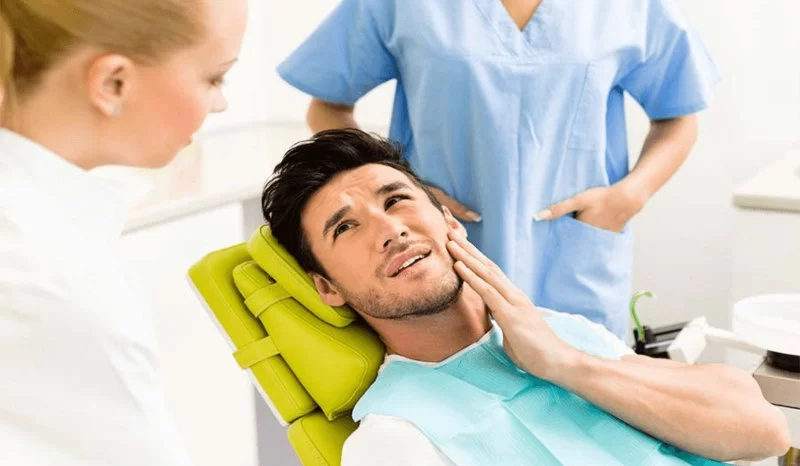
Complete Guide to Emergency Dental Care for Adults: How to Respond
- -Common Dental Emergencies and How to Handle Them
- -First Aid Tips for Dental Issues Before You See a Professional
- -When to Seek Professional Help for Dental Emergencies
- -A Real-Life Case of a Dental Emergency and How It Was Handled
- -How to Prevent Dental Emergencies in the Future
1. Common Dental Emergencies and How to Handle Them
Dental emergencies can strike at the most inconvenient times. Whether it’s a sudden toothache, a broken tooth, or something more serious like a knocked-out tooth, knowing how to react in these situations is crucial. In this guide, I’ll walk you through some of the most common dental emergencies I’ve come across and offer practical advice on how to handle them before you can see a dentist.
1. Toothaches:
A toothache can vary from a dull, constant pain to a sharp, throbbing sensation. If you experience a toothache, the first thing to do is rinse your mouth with warm water to clean it. Avoid putting aspirin or pain relievers directly on the affected area, as it could cause damage to the gums. Applying a cold compress to the outside of the cheek can help reduce pain and swelling until you can visit your dentist.
2. Knocked-out Tooth:
Losing a tooth can be alarming, but acting quickly can often help save it. If your tooth is knocked out, try to handle it by the crown (the top part, not the root), and rinse it gently if dirty. If possible, try to place the tooth back into the socket without forcing it, or keep it in a container of milk or saliva to preserve it. Get to a dentist as soon as possible—ideally within 30 minutes—to increase the chances of successful reimplantation.
3. Cracked or Broken Tooth:
A cracked or broken tooth can be extremely painful and needs prompt attention. If the break is causing sharp pain, cover the tooth with a piece of dental wax or sugar-free gum to protect it from further damage. Avoid chewing on that side until you can see a dentist. In some cases, a dentist may use a crown or filling to restore the tooth.
2. First Aid Tips for Dental Issues Before You See a Professional
In my experience, the best way to approach a dental emergency is by staying calm and using simple first aid to manage pain and prevent further damage. Here are some first-aid tips I’ve learned that can help in various situations:
1. For a Swollen Mouth or Jaw:
Swelling often occurs due to infection or trauma. Applying a cold compress to the outside of your cheek can help reduce swelling. If the swelling is severe or accompanied by fever, it may indicate an infection that requires immediate attention.
2. For a Dislodged Filling or Crown:
If you lose a filling or crown, try to keep the area clean and avoid chewing on that side. You can temporarily use dental cement or orthodontic wax to cover the area and prevent discomfort until you can visit your dentist for a permanent fix.
3. For Bleeding Gums:
If you notice bleeding gums, rinse your mouth gently with warm saltwater to reduce the risk of infection. Apply gentle pressure to the area with a clean cloth or gauze to stop the bleeding. If the bleeding persists, or if it’s caused by an injury, seek professional care immediately.
3. When to Seek Professional Help for Dental Emergencies
While some dental emergencies can be managed at home, others require immediate professional attention. Knowing when to seek help can make all the difference in minimizing damage and preventing further complications.
1. Severe Pain That Doesn’t Subside:
If you’re experiencing severe tooth pain that doesn’t go away with over-the-counter pain relievers, it may be a sign of a deeper issue, like an abscess or nerve damage. In such cases, don’t wait for the pain to subside—consult a dentist immediately.
2. Persistent Bleeding or Swelling:
If your gums or jaw are bleeding for more than 10 to 15 minutes, or if there’s significant swelling, seek professional help immediately. This could indicate an infection or serious injury that requires treatment.
3. Lost or Knocked-out Teeth:
As mentioned earlier, acting quickly after losing or knocking out a tooth increases the chances of saving it. If you’re unable to reinsert the tooth yourself, a dentist can assess the situation and provide the appropriate treatment.
4. A Real-Life Case of a Dental Emergency and How It Was Handled
Last year, a close friend of mine had a dental emergency while traveling abroad. She bit down on something hard, and one of her teeth cracked. She was in a lot of pain and wasn’t sure what to do. Fortunately, she remembered some of the first-aid tips I had shared with her, and she immediately applied a cold compress to the area. She also used some orthodontic wax to cover the sharp edge of the tooth, preventing further irritation.
She managed to get in touch with a local dentist, who was able to provide emergency care, including a temporary filling and advice on managing pain until she returned home. This experience reinforced the importance of knowing basic dental first aid and having a plan in place for when things go wrong.
5. How to Prevent Dental Emergencies in the Future
While dental emergencies can never be fully avoided, there are steps you can take to minimize the risk. I’ve learned that regular dental visits and proper oral hygiene go a long way in preventing most issues. Here are some tips I recommend to my friends and family:
1. Maintain Regular Dental Checkups:
Visiting a dentist at least twice a year for routine checkups and cleanings is the best way to spot potential issues early and prevent them from becoming emergencies.
2. Wear a Mouthguard During Sports:
If you play contact sports, make sure to wear a protective mouthguard. It’s a simple measure that can protect your teeth from accidental trauma.
3. Practice Good Oral Hygiene:
Brushing and flossing regularly, along with using fluoride toothpaste, helps prevent cavities and gum disease, reducing the likelihood of dental issues that might lead to emergencies.
If you do find yourself in need of dental care or advice, Family Dentistry Online offers valuable resources to help you connect with the best dental professionals in your area.

 Kid's Dental4.0 (280 review)
 Infuse Dental4.0 (292 review)
 Painted Skies Dental Center4.0 (351 review)
 Kendall Pointe Dental4.0 (329 review)
 COFIS Oral Surgery: Michael J Belton, DDS, MD4.0 (166 review)
 Village Orthodontics4.0 (115 review)
 The Importance of Oral Health Education During Pregnancy for a Healthy Pregnancy
 Best Tips for Brushing Your Teeth Properly for Healthy Gums: Essential Techniques for Oral Health
 Why Skipping Dental Checkups Can Lead to Bigger Oral Health Problems
 Advantages of Porcelain Dental Restorations
 How Can Diabetes Cause Tooth and Gum Problems? Preventing and Managing Oral Health Issues
 Healthy Habits for Promoting Good Oral Health and Hygiene: Tips for a Healthy Smile