
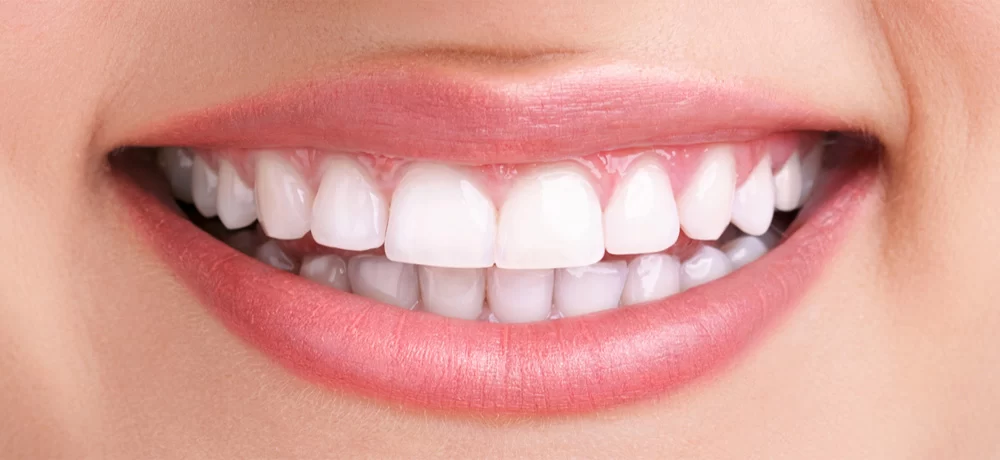
Cleaning Teeth Tips: Expert Advice for a Healthier Smile
- 1. Importance of Cleaning Teeth Regularly
- 2. How to Clean Your Teeth Effectively
- 3. Common Mistakes in Teeth Cleaning
- 4. Tools for Optimal Teeth Cleaning
- 5. Maintaining Oral Hygiene On-the-Go
- 6. Recommended Products for Cleaning Teeth
1. Importance of Cleaning Teeth Regularly
Cleaning your teeth is one of the most basic yet essential steps in maintaining oral health. Regular brushing and flossing remove food particles, plaque, and bacteria that can contribute to tooth decay, gum disease, and bad breath. Many people, however, don’t realize that poor oral hygiene can also affect your overall health, leading to more serious conditions like heart disease and diabetes.
According to the American Dental Association (ADA), you should brush your teeth at least twice a day and floss once a day to keep your mouth healthy. If you neglect this routine, you may face issues such as cavities, gum inflammation, and even tooth loss.
2. How to Clean Your Teeth Effectively
Effective teeth cleaning requires more than just brushing. Here's a step-by-step guide to ensure your oral hygiene routine is both thorough and effective:
1. Brush for Two Minutes
Brushing your teeth for just 30 seconds isn’t enough to remove plaque and bacteria. Aim to brush your teeth for at least two minutes, making sure to reach every surface of each tooth: the outer, inner, and chewing surfaces. Divide your mouth into quadrants and spend about 30 seconds on each part for optimal coverage.
2. Use the Right Toothpaste
Choose a toothpaste that contains fluoride. Fluoride helps protect your enamel and prevent cavities. There are many types of toothpaste on the market, so consider any specific needs such as sensitivity, whitening, or tartar control when selecting a product.
3. Use Proper Brushing Techniques
Don’t scrub too hard. Brush with gentle, circular motions rather than harsh back-and-forth movements, which can damage your enamel and gums. Be sure to brush your tongue as well to remove bacteria and freshen your breath.
3. Common Mistakes in Teeth Cleaning
Many people unknowingly make mistakes while cleaning their teeth. These mistakes can lead to ineffective cleaning or even damage to their teeth. Here are some common errors to avoid:
1. Brushing Too Hard
Brushing too aggressively can cause enamel erosion and gum recession. A softer touch is more effective and safer for long-term dental health.
2. Not Replacing Your Toothbrush
Old toothbrushes lose their effectiveness. Replace your toothbrush every 3 to 4 months or sooner if the bristles are frayed. A worn-out brush will not clean your teeth as effectively.
3. Skipping Flossing
Flossing is just as important as brushing. It helps clean areas between your teeth that your toothbrush can’t reach. Make flossing a daily habit to avoid plaque build-up and reduce the risk of cavities.
4. Tools for Optimal Teeth Cleaning
Using the right tools can greatly enhance the effectiveness of your teeth cleaning routine. Here are some essential tools to help you maintain a healthy mouth:
1. Electric Toothbrush
Many people find that electric toothbrushes are more effective than manual brushing. They can help ensure you brush for the correct amount of time and provide consistent brushing motions. Some models even come with pressure sensors to protect your gums from excessive force.
2. Dental Floss
Dental floss is essential for cleaning between your teeth. Choose a type of floss that works best for you, whether it's waxed, unwaxed, or flavored. Flossing once a day helps remove food particles and plaque that a toothbrush can’t reach.
3. Mouthwash
Mouthwash can help eliminate bacteria, reduce plaque, and freshen your breath. Choose a mouthwash with fluoride or antibacterial properties for added protection against cavities and gum disease.
5. Maintaining Oral Hygiene On-the-Go
Life can get busy, and it’s not always possible to brush your teeth after every meal. However, there are ways to maintain oral hygiene even when you're on the go:
1. Chewing Sugar-Free Gum
Chewing sugar-free gum can help stimulate saliva production, which naturally washes away food particles and neutralizes acids in the mouth. It's an excellent temporary solution when you're unable to brush your teeth.
2. Carrying Floss Picks
Floss picks are compact and portable, making them easy to carry in your bag or car. Use them to quickly clean between your teeth after meals when you're not at home.
3. Drinking Water
Rinsing your mouth with water is a simple way to remove food particles and bacteria between meals. It’s also an easy way to prevent dry mouth and keep your breath fresh when you're out and about.
6. Recommended Products for Cleaning Teeth
To make your teeth cleaning routine more effective, consider using the following products:
1. Oral-B Genius 8000 Electric Toothbrush
The Oral-B Genius 8000 provides superior cleaning with multiple modes and pressure sensors. It's perfect for those who want a thorough clean and better control over their brushing habits.
2. Waterpik Water Flosser
For individuals looking to improve their flossing routine, the Waterpik Water Flosser uses a stream of water to gently remove food particles and bacteria between your teeth.
3. Colgate Total Mouthwash
Colgate Total Mouthwash provides 12-hour protection against germs and helps to reduce plaque buildup. It’s a great option for anyone looking to add an extra layer of protection to their oral care routine.
To discover more products that can improve your teeth cleaning routine, visit [Dentistry Toothtruth](https://familydentistryonline.net) for expert recommendations and reviews.






 Michael P. Marfori, D.M.D. Pediatric Dentistry4.0 (391 review)
 Southern Smiles Newnan5.0 (449 review)
 Dr. Sam Saleh4.0 (37 review)
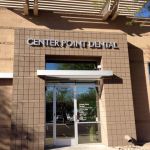 Center Point Dental4.0 (89 review)
 Osborne Dental South Jordan5.0 (170 review)
 Shore Smiles 4 Kids5.0 (21 review)
 The Importance of Oral Health Education During Pregnancy for a Healthy Pregnancy
 Best Tips for Brushing Your Teeth Properly for Healthy Gums: Essential Techniques for Oral Health
 Why Skipping Dental Checkups Can Lead to Bigger Oral Health Problems
 Advantages of Porcelain Dental Restorations
 How Can Diabetes Cause Tooth and Gum Problems? Preventing and Managing Oral Health Issues
 Healthy Habits for Promoting Good Oral Health and Hygiene: Tips for a Healthy Smile