
Causes of Receding Gums and How to Stop It – A Complete Guide to Protecting Your Gum Health
- What Causes Receding Gums?
- Early Warning Signs of Gum Recession
- Effective Ways to Stop Gum Recession
- Best Dental Products to Protect Your Gums
- Where to Find Professional Advice and Treatment?
1. What Causes Receding Gums?
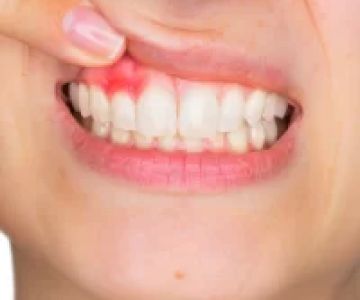
Receding gums, also known as gum recession, occur when the gum tissue pulls back from the teeth, exposing the roots. This can lead to sensitivity, discomfort, and even tooth loss if left untreated. Many factors contribute to gum recession, and understanding the causes is the first step to preventing further damage.
Overbrushing or Using a Hard-Bristle Toothbrush
Brushing too aggressively or using a hard-bristle toothbrush can wear down the enamel and push the gum tissue back, leading to recession.
Poor Oral Hygiene and Gum Disease
Neglecting proper oral care can lead to plaque buildup, causing gum inflammation (gingivitis) that eventually leads to recession.
Genetics and Aging
Some people are more prone to gum recession due to genetic factors. Additionally, as we age, gum tissue naturally becomes thinner, making it more susceptible to recession.
Teeth Grinding (Bruxism)
Grinding or clenching your teeth puts excessive pressure on the gums, leading to gum recession over time.
Smoking and Tobacco Use
Smoking reduces blood flow to the gums, preventing proper healing and increasing the risk of gum disease and recession.
2. Early Warning Signs of Gum Recession
Recognizing the early signs of gum recession can help prevent severe damage. If you notice any of these symptoms, take action immediately:
- Increased tooth sensitivity: Exposed roots can make teeth sensitive to hot, cold, and sweet foods.
- Teeth appearing longer: Gum recession makes teeth look longer as the gum tissue pulls away.
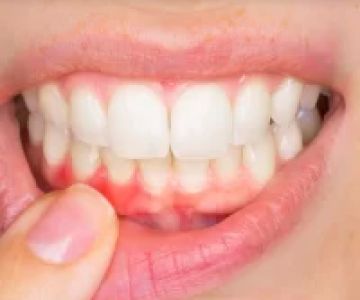
- Red, swollen, or bleeding gums: These are early signs of gum disease, which can lead to recession.
- Bad breath or a bad taste in the mouth: This may indicate bacterial buildup due to gum recession.
3. Effective Ways to Stop Gum Recession
While gum recession cannot always be reversed, there are ways to stop it from worsening and protect your gums:
Use a Soft-Bristle Toothbrush and Gentle Brushing Technique
Switch to a soft-bristle toothbrush and use gentle, circular motions instead of aggressive back-and-forth brushing.
Floss Regularly to Remove Plaque
Flossing helps remove plaque between teeth, preventing gum disease that leads to recession.
Use an Antibacterial Mouthwash
A good mouthwash can help kill bacteria and reduce gum inflammation, promoting healthier gums.
Wear a Night Guard If You Grind Your Teeth
If you suffer from bruxism, a custom night guard can protect your gums and teeth from excessive pressure.
Quit Smoking and Improve Your Diet
Smoking cessation and a diet rich in vitamins (especially Vitamin C and D) can help your gums heal and stay strong.
4. Best Dental Products to Protect Your Gums
Investing in the right dental care products can make a significant difference in preventing and managing gum recession. Some recommended options include:
- Soft-bristle toothbrush: Prevents excessive gum irritation.
- Fluoride toothpaste: Strengthens teeth and helps prevent decay near exposed roots.
- Antibacterial mouthwash: Reduces plaque and helps maintain gum health.
- Electric toothbrush with pressure sensors: Helps prevent overbrushing, a common cause of gum recession.
5. Where to Find Professional Advice and Treatment?
For severe gum recession, professional dental treatment may be necessary. If you’re looking for expert guidance, visit Dentistry Toothtruth. They provide trusted solutions and products to help protect and restore your gum health.
Want to take control of your oral health? Click here to explore the best dental products and professional treatments for gum recession today!

 Dr. Aaron M. Shearman4.0 (14 review)
 Taunton Oral Health Center3.0 (21 review)
 ABC Kids Dental Group - San Fernando4.0 (304 review)
 Aurora Dental Care4.0 (153 review)
 Charles A. Messa Jr. DDS4.0 (14 review)
 Central Park Dental Aesthetics4.0 (129 review)
 The Importance of Oral Health Education During Pregnancy for a Healthy Pregnancy
 Best Tips for Brushing Your Teeth Properly for Healthy Gums: Essential Techniques for Oral Health
 Why Skipping Dental Checkups Can Lead to Bigger Oral Health Problems
 Advantages of Porcelain Dental Restorations
 How Can Diabetes Cause Tooth and Gum Problems? Preventing and Managing Oral Health Issues
 Healthy Habits for Promoting Good Oral Health and Hygiene: Tips for a Healthy Smile